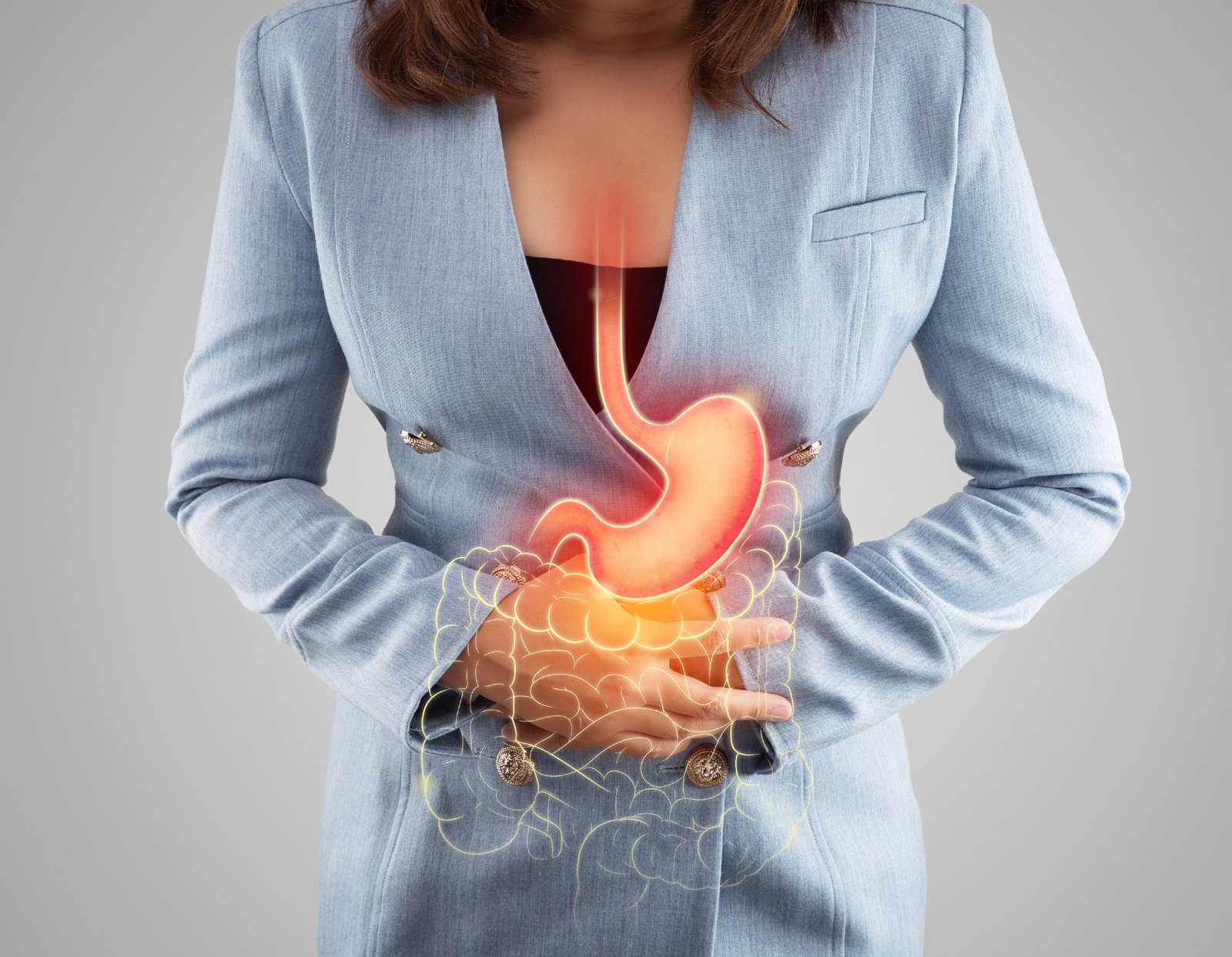
Acidity Treatment in Chakan – Shikrapur | Expert Care by Dr. Shrikant Kurhade
With
Dr. Shrikant Kurhade
Persistent acidity and acid reflux can cause discomfort, heartburn, and digestive issues that interfere with your daily life. At our clinic in Chakan – Shikrapur, we specialize in advanced management of chronic acidity, including Fundoplication surgery, to provide long-lasting relief. Our expert surgeons combine precise diagnosis with modern surgical techniques to restore comfort, improve digestion, and enhance overall quality of life.
At KKCare Clinic in Chakan & Shikrapur, Dr. Shrikant Kurhade, a skilled laparoscopic surgeon, provides accurate diagnosis and advanced treatment for chronic acidity and GERD. Using modern technology and a patient-focused approach, he ensures safe Fundoplication procedures with faster recovery and lasting results.
What is Acidity?
Acidity, also known as acid reflux or gastroesophageal reflux disease (GERD), occurs when stomach acid flows back into the esophagus. This backflow irritates the esophageal lining, leading to symptoms such as heartburn, chest discomfort, regurgitation, and difficulty swallowing. Chronic acidity, if left untreated, can cause complications such as esophagitis, strictures, or Barrett’s esophagus.
Advantages of Acidity Treatment in Chakan – Shikrapur
Expert Gastro Specialists – Get treated by experienced doctors who specialize in digestive and acidity-related issues.
Personalized Treatment Plans – Diagnosis and care tailored to your specific symptoms and health history.
Advanced Diagnostic Tools – Accurate assessment through modern medical equipment ensures effective treatment.
Safe and Effective Procedures – Non-invasive and minimally invasive methods for faster relief and recovery.
Holistic Care Approach – Focus on lifestyle, diet, and medication to prevent recurrence of acidity.
How to Diagnose Acid Reflux or Acidity?
Step 1: Medical History and Symptom Assessment
The first step in diagnosing acid reflux or acidity is a detailed discussion of your medical history and symptoms. Key factors include:
- Frequency of Heartburn: Determine whether your heartburn is occasional or chronic. Keeping a journal of symptoms can be helpful.
- Nature of Heartburn: Note when heartburn occurs—after meals, early mornings, or late at night. Timing can give clues about the cause and help adjust your routine.
- Lifestyle Factors: Smoking, alcohol, excess caffeine, and sedentary habits can contribute to acidity and poor digestion.
- Medications: Certain medications may trigger acid reflux or GERD-like symptoms. Consult your doctor about antacids or alternative treatments.
Step 2: Physical Examination
After reviewing your history, your doctor may perform a physical examination. Additional tests can help confirm the diagnosis and identify any internal damage or serious conditions. Common diagnostic methods include:
- Endoscopy: A thin tube with a tiny camera (endoscope) is inserted down the throat to examine the esophagus, stomach, and duodenum (first segment of the small intestine).
- Barium X-ray: You drink a barium solution, which coats the lining of your upper digestive tract. X-rays then reveal blockages, structural abnormalities, or other issues.
Step 3: Diagnosis
Based on your symptoms, medical history, and test results, your doctor can confirm the cause of your acidity. Possible conditions include:
- GERD (Gastroesophageal Reflux Disease): Caused by weakened lower esophageal sphincter (LES) muscles, leading to frequent acid reflux and chronic heartburn.
- NERD (Non-Erosive Reflux Disease): Similar to GERD, but without visible damage to the esophagus.
- Stomach Ulcers: Open sores in the lining of the stomach or duodenum that cause discomfort and heartburn.
- Esophagitis: Inflammation of the esophagus due to repeated acid exposure.
What are the causes of acidity?
Acidity can develop due to multiple factors, including:
- Weakness or dysfunction of the lower esophageal sphincter (LES), allowing stomach acid to flow back into the esophagus
- Hiatal hernia, where part of the stomach pushes into the chest cavity
- Obesity, which increases abdominal pressure and triggers acid reflux
- Dietary habits, such as frequent consumption of spicy, fatty, or acidic foods
- Lifestyle factors, including smoking, alcohol intake, and stress
- Certain medications, including anti-inflammatory drugs and some blood pressure medicines
Identifying the underlying causes helps our specialists design a personalized treatment plan for long-term relief.
What Makes Us Better?
Our Clinic
- Specializes in robotic surgeries with skilled surgeons.
- Utilizes cutting-edge robotic systems for precision.
- Offers a range of minimally invasive robotic procedures.
- Known for clear pricing and honest recommendations.
- Dedicated and responsive patient care team.
Others
- The level of expertise varies among individuals.
- Rely on conventional surgical tools, which may have limitations in precision.
- May focus on traditional surgical methods with limited minimally invasive options.
- Pricing and advice may not be as transparent.
- Responsiveness of patient care teams may vary.
Qualified Doctors
Why Choose Us for Acidity Treatment in Chakan – Shikrapur?
Our clinic in Chakan – Shikrapur is led by a team of highly experienced surgeons who are trained in advanced laparoscopic procedures, including Fundoplication surgery. We are equipped with state-of-the-art diagnostic and surgical technology to ensure precise evaluation and safe, minimally invasive treatment. Every patient receives personalized care, with comprehensive treatment plans tailored to their unique condition, from accurate diagnosis to post-operative follow-up. Our primary focus is not only to relieve the symptoms of acidity but also to address the underlying causes, providing long-term relief and preventing recurrence.
Book Your Consultation Today
Don’t let chronic acidity affect your daily life. Early diagnosis and timely treatment, including minimally invasive Fundoplication surgery, can prevent complications and improve your quality of life. Schedule a consultation today with our expert surgeons in Chakan – Shikrapur.
Testimonials
What people says about us
Sonali Gabhale
Rohit Bhosale
Harshal Walunj
Frequently Asked Questions
The best treatment for acidity depends on the severity and underlying causes of the condition. Common treatments include lifestyle modifications, dietary changes, and medications like antacids, H2 blockers, or proton pump inhibitors. For chronic or severe cases, surgical options such as Nissen fundoplication surgery may be recommended.
While lifestyle changes and medications can manage and reduce the symptoms of acidity, a permanent cure may require addressing underlying issues such as gastroesophageal reflux disease (GERD). Surgical interventions like Nissen fundoplication surgery can provide long-term relief for severe cases.
Acidity, or acid reflux, can vary in severity. While occasional acidity is common and often manageable with lifestyle changes, persistent or severe acidity can indicate more serious conditions, such as gastroesophageal reflux disease (GERD) or ulcers. If you experience frequent or severe symptoms, it’s important to consult a healthcare professional for an accurate diagnosis and appropriate treatment.
Certain foods can help reduce stomach acid and alleviate symptoms of acidity. These include non-citrus fruits like bananas and melons, vegetables like broccoli and cucumbers, lean proteins such as chicken and fish, and whole grains.
The fastest way to stop stomach acid is by using over-the-counter antacids, which can provide quick relief by neutralising stomach acid. For more persistent symptoms, medications such as H2 blockers or proton pump inhibitors may be necessary. At KKcare Clinic we offer the best acidity treatment in Pune, including immediate relief options and long-term management strategies.
For immediate relief from acidity, try drinking a glass of water or consuming a small amount of milk, which can help neutralise stomach acid. Over-the-counter antacids may also provide quick relief. Additionally, avoiding spicy or fatty foods and eating smaller, more frequent meals can help manage symptoms. If acidity persists, it’s best to consult a acidity specialist doctor in Pune for a personalised acidity treatment plan.