Appendix Treatment in Vishrantwadi & Dhanori
Reliable
Appendicitis Treatment
If you are experiencing sudden abdominal pain, especially in the lower right side, it may be a sign of appendicitis—a condition that requires immediate medical attention. At our clinic in Vishrantwadi & Dhanori, we specialize in diagnosing and treating appendicitis using advanced laparoscopic and minimally invasive techniques, ensuring minimal discomfort and a faster recovery.
At KKCare Clinic in Vishrantwadi & Dhanori, Dr. Shrikant Kurhade, an experienced laparoscopic surgeon, provides accurate diagnosis and effective appendicitis treatment. With advanced technology and a patient-focused approach, he ensures safe procedures and faster recovery.
What is Appendicitis?
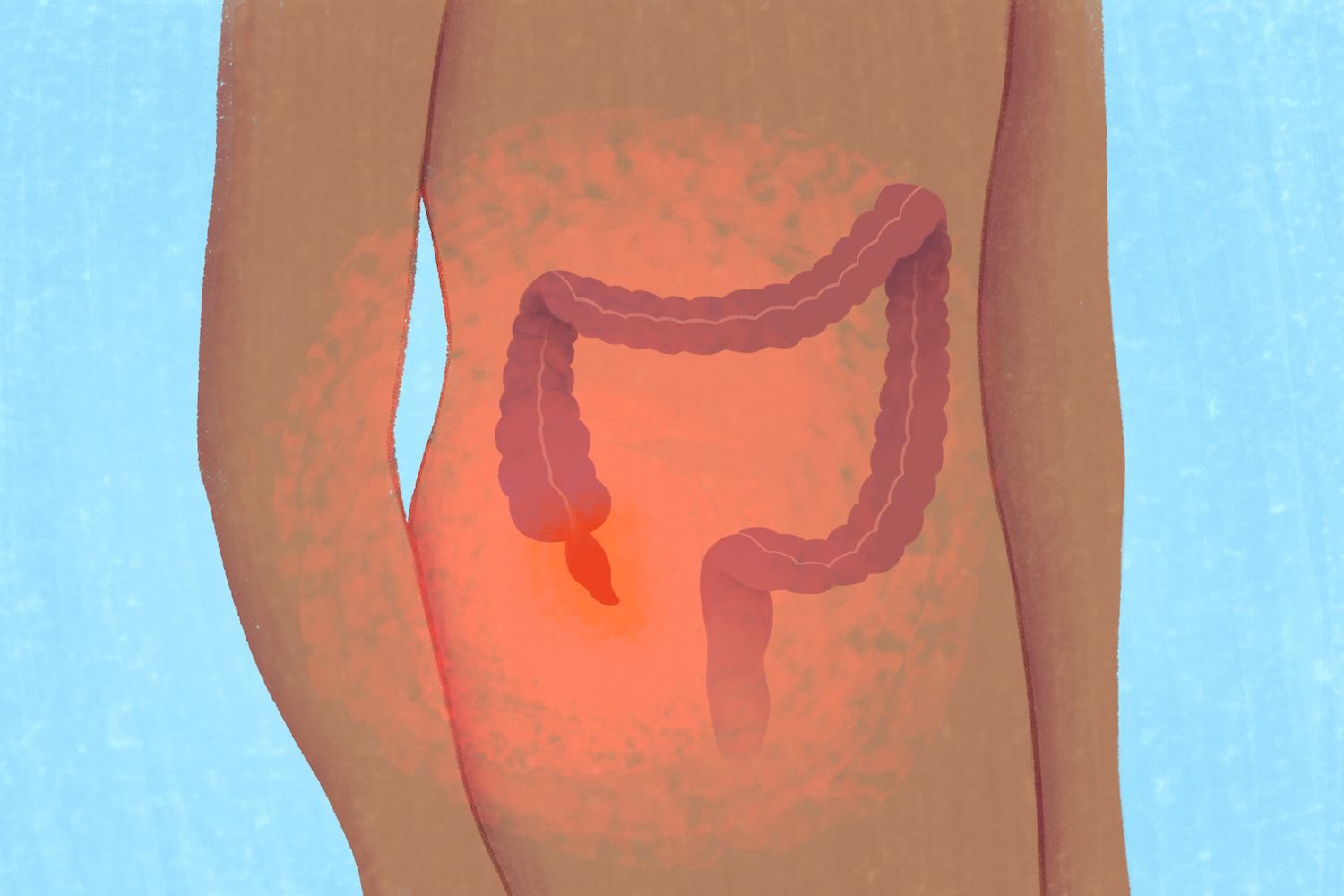
Appendicitis is the inflammation of the appendix, a small pouch located at the junction of the small and large intestines. It usually occurs due to a blockage that leads to bacterial infection. If left untreated, appendicitis can cause the appendix to rupture, leading to serious complications like peritonitis or sepsis. Prompt medical care is essential to prevent life-threatening risks.
Symptoms of Appendicitis
Be alert to the following signs of appendicitis:
- Sudden, sharp pain in the lower right abdomen
- Nausea and vomiting
- Loss of appetite
- Abdominal swelling or bloating
- Fever or chills
- Constipation or diarrhea
- Difficulty passing gas
If you notice these symptoms, immediate consultation with a qualified surgeon is recommended.
Diagnosis of Appendicitis
Accurate diagnosis is crucial for timely treatment. Our expert team in Vishrantwadi & Dhanori uses a combination of:
- Physical Examination: Assessing tenderness, swelling, and signs of inflammation in the abdomen.
- Blood Tests: Checking for elevated white blood cell count, which indicates infection.
- Imaging Tests: Ultrasound or CT scans to visualize the appendix and confirm inflammation.
Early and precise diagnosis ensures the most effective treatment and reduces the risk of complications.
Treatment Options for Appendicitis
The most common treatment for appendicitis is surgery to remove the inflamed appendix, known as an appendectomy. However, in certain cases, non-surgical treatments may be considered.
We provide personalized and effective treatment options for appendicitis, including:
- Laparoscopic Appendectomy – This minimally invasive surgery is our preferred method for treating appendicitis whenever possible. Using small incisions, a camera, and specialized surgical instruments, we carefully remove the inflamed appendix. This technique significantly reduces post-operative pain, minimizes scarring, lowers the risk of infection, and promotes faster recovery, allowing patients to return to their normal daily activities sooner.
- Open Appendectomy – In cases where the appendix has ruptured, or complications such as abscess formation are present, an open appendectomy may be required. This procedure involves a slightly larger incision to safely remove the appendix and clean the abdominal cavity. Our skilled surgeons ensure that the procedure is performed with utmost precision to prevent further complications and support optimal healing.
- Antibiotic Therapy – For selected cases of mild or early appendicitis, antibiotics may be administered either as an initial treatment or alongside surgical procedures. This therapy helps control infection, reduce inflammation, and improve overall patient outcomes. In certain situations, antibiotics may also be used as pre-operative care to reduce the risk of complications during surgery.
Our approach prioritizes patient safety, comfort, and speedy recovery.
What Makes Us Better?
Our Clinic
- Known for clear pricing and honest recommendations.
- Dedicated and responsive patient care team.
- Led by top surgeons and healthcare professionals.
- Personalized approach for comfort and care.
- Equipped with state-of-the-art medical facilities.
- From consultation to follow-up, all under one roof
Others
- The level of expertise varies among individuals.
- Rely on conventional surgical tools, which may have limitations in precision.
- May focus on traditional surgical methods with limited minimally invasive options.
- Pricing and advice may not be as transparent.
- Responsiveness of patient care teams may vary.
Qualified Doctors
Why Choose Our Clinic in Vishrantwadi & Dhanori?
At KKCare Clinic in Vishrantwadi & Dhanori, your health is in trusted hands. Our skilled surgical team, led by Dr. Shrikant Kurhade, boasts a strong history of successful appendicitis treatments. We employ advanced laparoscopic technology and modern diagnostic tools to ensure accurate, safe, and effective procedures. From your initial visit, our efficient admission-to-treatment process reduces waiting times, enabling prompt diagnosis and timely surgery. Post-surgery, we offer comprehensive follow-up care and personalized recovery support to help you heal comfortably. Conveniently located to serve residents of Vishrantwadi and nearby areas, our clinic makes expert appendix care accessible and hassle-free.
Book Your Consultation Today
Don’t wait for symptoms to worsen. Early diagnosis and treatment can prevent complications and ensure a smoother recovery. Contact us today to schedule a consultation with our expert surgeons in Vishrantwadi & Dhanori.
Testimonials
What people says about us
Sonali Gabhale
Rohit Bhosale
Harshal Walunj
Frequently Asked Questions
Common symptoms of piles include itching, pain, and swelling around the anus, as well as bleeding during bowel movements. You might also experience discomfort or a feeling of fullness in the rectal area. If you’re experiencing any of these symptoms, it’s important to consult a healthcare professional for appropriate treatment.
The best type of doctor is a piles specialist in pune who focuses on conditions of the rectum and anus, such as a colorectal surgeon or a general surgeon with expertise in piles treatment. They are trained to diagnose and provide effective treatment options for piles, including both non-surgical and surgical solutions.
Treatment options for piles include lifestyle changes (such as increased fibre intake and hydration), over-the-counter medications, minimally invasive procedures (like rubber band ligation and sclerotherapy), and surgical interventions (such as hemorrhoidectomy and stapled hemorrhoidopexy). The choice of treatment depends on the severity of the condition and the patient’s overall health.
Yes, robotic surgery is an advanced and minimally invasive option for treating piles. Dr. Shrikant Kurhade, a highly skilled doctor specialising piles treatment in pune. Robotic surgery offers greater precision and faster recovery times, making it an excellent choice for many patients.
Foods high in fibre, such as fruits, vegetables, whole grains, and legumes, are beneficial for managing piles. These foods help soften stool and promote regular bowel movements, reducing strain during defecation. Additionally, drinking plenty of water and avoiding spicy or processed foods can also help alleviate symptoms.
Yes, stress can contribute to piles (haemorrhoids) by causing or worsening constipation, which puts additional strain on the rectal veins. This increased pressure can lead to the development or aggravation of piles. Managing stress through relaxation techniques and a balanced lifestyle can help reduce the risk of piles.