
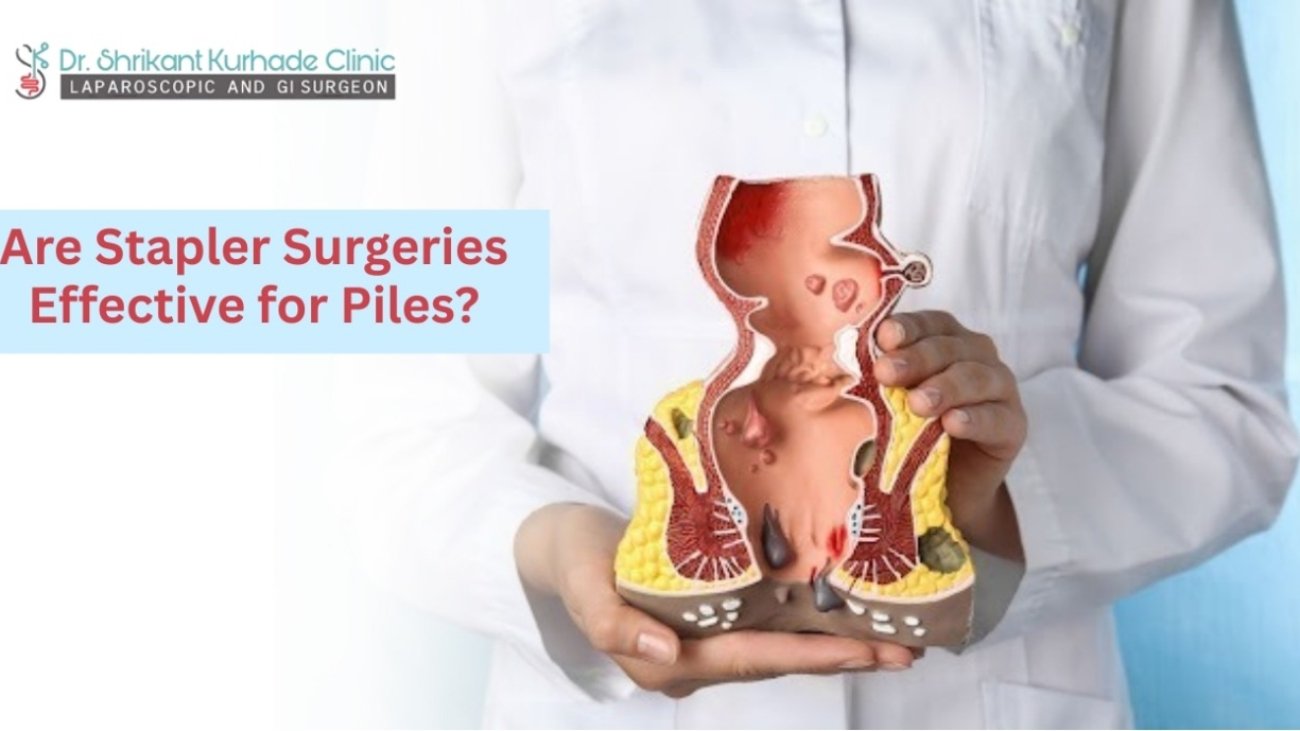
Piles, or hemorrhoids, are extremely common and affect people of all ages. While the condition may feel uncomfortable to discuss, it’s important to understand that piles are easily treatable today—thanks to modern and minimally invasive procedures like stapler surgery for piles.
If you’ve been dealing with recurrent or severe piles and are unsure whether this procedure is the right choice, this detailed guide will help you make an informed decision about the best piles treatment for your condition.
What Are Piles and Why Do They Occur?
Piles are swollen and inflamed veins in the rectum or anus. They can be internal (inside the rectum) or external (around the anus).
Some common causes include:
- Chronic constipation or straining
- Sitting for long periods
- Pregnancy
- Obesity
- Low-fiber diet
- Family history
Most early-stage piles can be managed with diet changes, lifestyle improvements, and medication. However, for advanced or recurrent piles, surgery becomes the recommended option.
What Is Stapler Surgery for Piles?
Stapler surgery for piles, also known as stapled hemorrhoidectomy, is a modern, minimally invasive procedure mainly used for internal Grade 3 and Grade 4 piles.
Unlike traditional procedures that remove hemorrhoids externally, stapler piles surgery works by repositioning the prolapsed tissue and cutting off its blood supply for effective correction.
- Cutting off the blood supply to the hemorrhoidal mass
- Pulling the prolapsed tissue back into its normal position
- Reducing pain and promoting faster healing
Since the procedure is performed above the area where pain-sensitive nerves are located, patients experience significantly less discomfort.
Is Stapler Surgery Effective?
Yes. Stapler surgery is considered one of the most effective treatments for advanced internal piles, especially when symptoms are severe or persist despite medications.
Key reasons why the procedure is effective:
1. Faster Recovery
Most patients return to routine activities within a few days. The piles stapler surgery recovery time is typically 3–5 days, much faster than traditional methods.
2. Minimal Pain
Since the procedure is done in an area with fewer nerve endings, postoperative pain is significantly lower compared to traditional open surgery.
3. Less Bleeding
Piles stapler surgery requires very minimal tissue cutting, helping significantly reduce blood loss both during the procedure and throughout recovery.
4. Lower Chances of Recurrence
The procedure corrects the underlying cause of piles—prolapsed mucosa and venous congestion. Hence, recurrence chances are much lower than conventional methods.
5. Shorter Hospital Stay
Most patients are discharged within 24 hours or even on the same day, depending on recovery.
Who Should Consider Stapler Surgery?
You may be a good candidate for stapler surgery for piles if you have:
- Grade 3 internal piles (prolapse that needs manual pushing)
- Grade 4 internal piles (permanently prolapsed hemorrhoids)
- Severe bleeding
- Recurrent piles that don’t improve with medications
- Severe discomfort affecting daily life
It is not typically recommended for external piles, thrombosed hemorrhoids, or patients with certain medical conditions. A proctology specialist can guide you better after an evaluation.
How Is Stapler Surgery Performed?
The procedure is simple, precise, and usually takes about 20–30 minutes.
- The patient receives anesthesia (local, spinal, or general).
- A circular stapler device is inserted into the anal canal.
- Prolapsed tissue is lifted and stapled back into its original position.
- The stapler cuts excess tissue and seals the wound simultaneously.
- No external cuts or stitches are required.
Because of this minimally invasive approach, healing is smoother and faster.
Risks and Complications
Like any medical procedure, stapler surgery has some potential risks, though they are uncommon:
- Mild pain or discomfort
- Temporary constipation
- Bleeding
- Infection
- Rare chances of recurrence
Choosing an experienced surgeon significantly reduces these risks.
Recovery After Stapler Surgery
Recovering from stapler surgery is usually straightforward. The stapler surgery for piles recovery time is much shorter compared to conventional surgery.
1. Minimal Pain
Pain is very mild and manageable with prescribed medications.
2. Quick Return to Routine
Patients can resume office work within a few days, though heavy lifting should be avoided initially.
3. Diet Changes
A high-fiber diet, plenty of fluids, and stool softeners help prevent strain.
4. Follow-Up
A follow-up visit ensures proper healing and prevents complications.
Overall, most patients find recovery remarkably easier compared to traditional hemorrhoidectomy.
Is Stapler Surgery Right for You?
Stapler surgery is an excellent choice for people who want:
- Quick relief
- Minimal pain
- Faster recovery
- Lower chance of recurrence
- A minimally invasive solution
However, the final decision should be made after a thorough evaluation by a trained proctologist who can assess the type and severity of your piles.
Conclusion
So, are stapler surgeries effective for piles?
Yes—stapler surgery remains one of the most advanced, minimally painful, and reliable treatments for internal piles, offering long-lasting relief, faster healing, and improved quality of life. If your symptoms persist or keep returning, consulting a Piles Specialist in Pune is the best next step. For patients looking for stapler surgery for piles in pune, KK Care Clinic provides expert evaluation and advanced treatment options under the guidance of expert Robotic Surgeon in Pune Dr. Shrikant Kurhade and his experienced team.