foods to avoid for piles

Foods to Avoid for Piles Patients: What Can Make Symptoms Worse?

Piles (hemorrhoids) can become extremely uncomfortable when your diet is not aligned with what your body needs. While many people focus on what to eat in piles for relief, it’s equally important to understand foods to avoid for piles, as certain items can worsen pain, constipation, and inflammation. In fact, your daily eating habits play a direct role in how severe your symptoms feel and how quickly you recover.

Many patients unknowingly consume trigger foods that lead to harder stools, increased straining, and irritation of the affected area. This is why knowing the right piles food to avoid becomes essential for managing the condition effectively. 

In this guide, we’ll break down the 5 foods to avoid with hemorrhoids, along with simple insights into how they impact your digestive health. We’ll also touch upon what to eat in piles to help you maintain smoother bowel movements and reduce discomfort naturally.

Why Diet Matters in Piles And How Food Triggers Symptoms

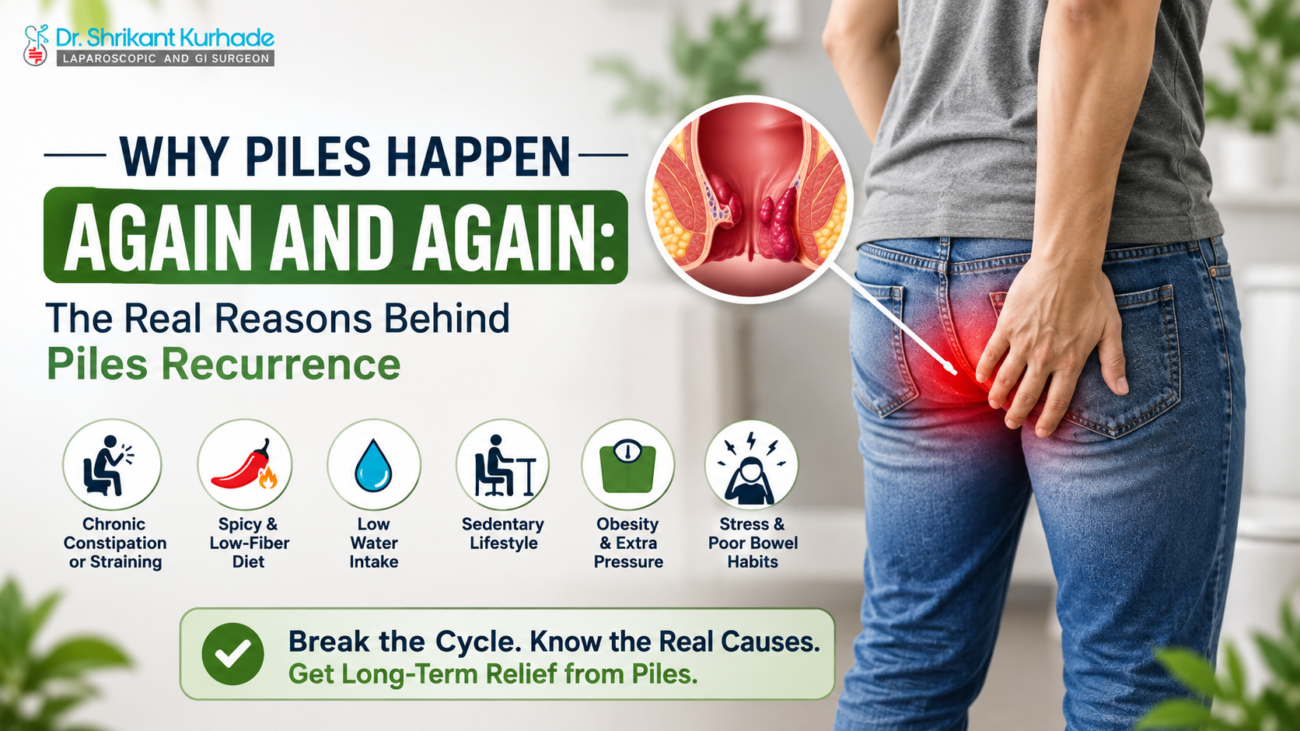
Diet plays a direct role in both causing and worsening piles (hemorrhoids). What you eat determines how smooth or difficult your bowel movements are, which is the core factor behind piles discomfort. Following the right food for piles and avoiding the wrong foods to avoid for piles can significantly reduce pain, swelling, and irritation.

  • Low-fiber diet = Constipation
    Not including enough fiber-rich food for piles leads to hard stools, making bowel movements painful.
  • Straining worsens swelling
    Frequent straining increases pressure on rectal veins, worsening piles symptoms.
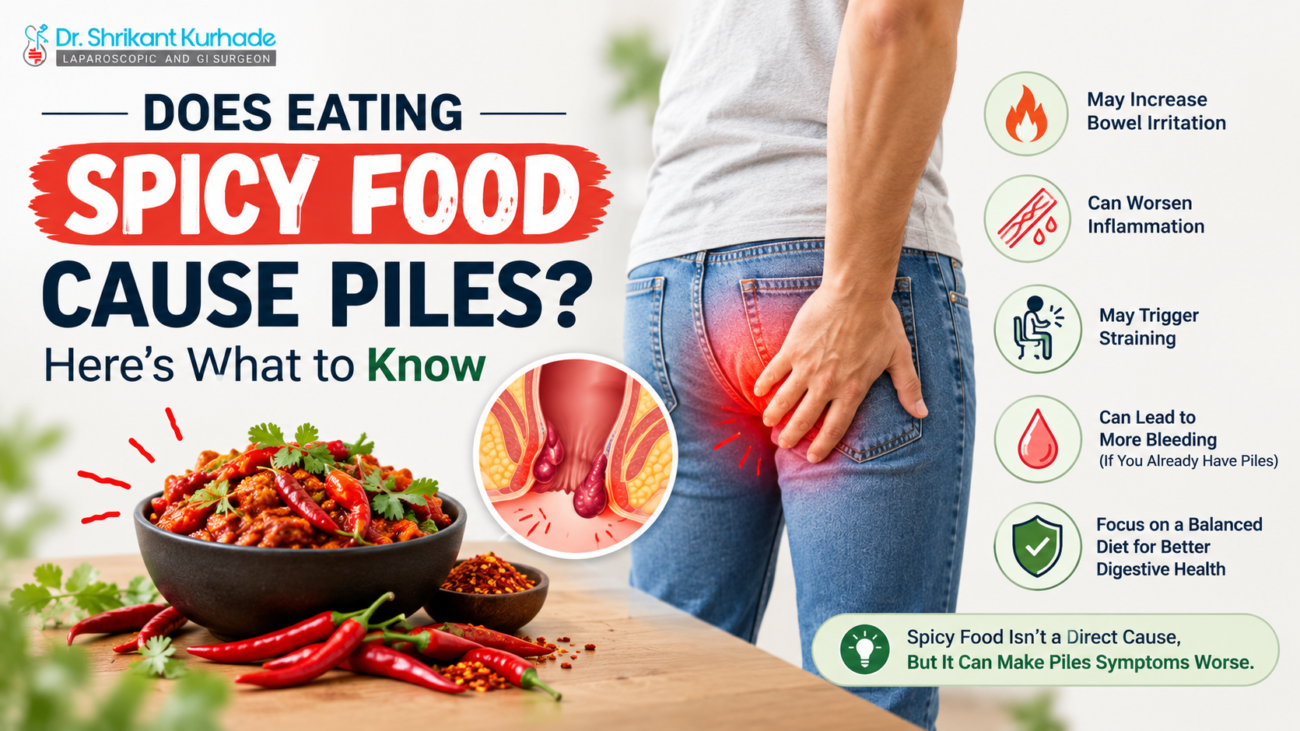
  • Spicy & oily foods trigger irritation
    Common items in the piles food to avoid list can cause burning sensation and discomfort during bowel movements.
  • Dehydration hardens stools
    Lack of fluids combined with a poor diet makes digestion slower and more painful.

Foods to Avoid for Piles Patients

Here’s a complete piles avoid food list that can trigger or worsen symptoms:

1. Spicy and Oily Foods – Spicy curries, fried snacks, and oily street food are top foods to avoid in piles. These are among the most common piles food not to eat if you already have pain or bleeding.

Why avoid it?

  • Increase irritation in the digestive tract
  • Cause burning sensation during bowel movements
  • Can worsen inflammation

2. Processed and Junk Food – Chips, burgers, instant noodles, and packaged snacks are major piles food to avoid. This category dominates the piles avoid food list because it directly contributes to hard stools.

Why avoid it?

  • Very low in fiber
  • Lead to constipation
  • Slow down digestion

3. Red Meat and Heavy Proteins – Red meat and heavy non-vegetarian meals are often overlooked in foods to avoid for piles.

Why avoid it?

  • Difficult to digest
  • Can cause sluggish bowel movement
  • Increases strain during passing stool

4. Dairy Products (in excess) – Milk, cheese, and paneer in large quantities can act as piles food to avoid.

Why avoid it?

  • May cause bloating
  • Can lead to constipation in some individuals

5. Refined Grains (Maida, White Bread) – Foods made with maida like white bread, pizza, and bakery items fall under what not to eat in piles.

Why avoid it?

  • Lack fiber
  • Slow digestion
  • Contribute to constipation

6. Caffeinated & Carbonated Drinks – Tea, coffee, soda, soft drinks, and alcohol  are often ignored in the piles avoid food list.

Why avoid it?

  • Cause dehydration
  • Lead to harder stools
  • Increase bowel discomfort

Which Fruit Is Not Good for Piles?

While fruits are generally recommended as part of a food for piles diet due to their fiber content, not all fruits are equally beneficial. If you’re planning what to eat in piles, it’s just as important to understand which fruit is not good for piles to avoid worsening symptoms like irritation, pain, or constipation.

1. Unripe Bananas – Unripe or raw bananas can be constipating, making them a key item in the piles food to avoid list. They slow down bowel movement, which can increase strain during passing stool.

2. Sour Citrus Fruits (in excess) – Fruits like lemons, raw oranges, or excessive intake of citrus can sometimes irritate the digestive tract, especially during flare-ups. While not entirely restricted, they should be consumed in moderation when considering foods to avoid in piles.

3. Canned or Preserved Fruits – These often contain added sugar and preservatives, making them unsuitable in a piles avoid food list. They lack the natural fiber needed for smooth digestion.

4. Fruits with Low Fiber Content – Fruits like watermelon (in excess) or muskmelon, though hydrating, are low in fiber and may not support bowel movement effectively. When planning what not to eat in piles, relying only on low-fiber fruits is not ideal.

What to Eat in Piles for Faster Relief 

Now that we’ve covered piles food to avoid, let’s focus on the best food for piles that promotes healing.

1. High-Fiber Foods

Fiber is essential when deciding what to eat in piles.

Include:

  • Oats
  • Brown rice
  • Whole wheat
  • Green leafy vegetables

Benefits:

  • Softens stool
  • Reduces straining
  • Improves digestion

2. Fruits That Help

The right fruits are powerful food for piles relief.

Best options:

  • Papaya
  • Ripe banana
  • Apple (with skin)

3. Hydration

Fluids are just as important as solid food for piles.Proper hydration prevents constipation and complements fiber intake.

Include:

  • Water (8–10 glasses daily)
  • Buttermilk
  • Coconut water

Common Mistakes in Diet That Worsen Piles

Even if you avoid foods to avoid for piles, these habits can still delay recovery:

  • Skipping meals → disrupts digestion
  • Low water intake → leads to hard stools
  • Overeating spicy/junk food → triggers flare-ups
  • Ignoring fiber → worsens constipation

Fixing these is as important as avoiding piles food not to eat.

Get Expert Help for Piles Treatment in Pune

If you’re struggling to manage piles of symptoms even after improving your diet and avoiding common triggers, it’s time to consult an expert. Diet plays a major role, but in many cases, identifying the right treatment is just as important as knowing the foods to avoid for piles.

Dr. Shrikant Kurhade is a highly experienced piles specialist in pune, offering advanced diagnosis and treatment for all stages of hemorrhoids. Whether your condition is caused by chronic constipation, poor dietary habits, or other underlying issues, he provides personalized guidance, including what to eat in piles and a clear piles avoid food list tailored to your condition.

FAQs

  1. What are the main foods to avoid for piles?

When managing hemorrhoids, knowing the right foods to avoid for piles is crucial. Certain foods can worsen constipation, irritation, and inflammation, making symptoms more painful.

  1. What is the best food for piles relief?

When it comes to managing symptoms, here are the 5 foods to avoid with hemorrhoids – Spicy foods, Fried and oily foods, Processed foods, Red meat, Dairy products.

  1. Which food is harmful for piles?

Spicy, processed, and low-fiber foods are the most harmful as they worsen constipation and irritation, making piles symptoms more severe.

  1. What are the best drinks for piles?

Water, buttermilk, coconut water, and fresh fruit juices are the best drinks for piles as they aid digestion and prevent constipation.

Types of Gallstones

Types of Gallstones You Should Know and How They Affect Your Health

Gallstones are more common than most people think and many don’t even realize they have them until symptoms begin. If you’ve experienced sudden abdominal pain, bloating after meals, or nausea, your gallbladder could be the reason.

Understanding the types of gallstones is important because each type forms differently, affects the body in unique ways, and may require a specific treatment approach. This guide breaks down everything in a simple, easy-to-understand way.

What Are Gallstones and Why Do They Form?

Gallstones are hardened deposits that form in the gallbladder, a small organ located under the liver. The gallbladder stores bile, a digestive fluid that helps break down fats.

When there is an imbalance in the substances that make up bile, like cholesterol or bilirubin these particles can solidify and form stones.

Common Causes of Gallstones:

  • Excess cholesterol in bile
  • Poor gallbladder emptying
  • Liver conditions affecting bile composition
  • Infections in the bile duct
  • Obesity or rapid weight loss

In medical terms, these conditions fall under types of cholelithiasis, which simply means different forms of gallstone disease based on how and why the stones develop.

What Are the 4 Types of Gallstones?

There are 4 types of gallstones, each with distinct characteristics. Knowing these helps in identifying the right treatment and preventing complications.

1. Cholesterol Gallstones

Cholesterol gallstones are the most common among the different types of gallstones. They form when there is too much cholesterol in the bile and not enough substances to dissolve it. These stones are usually yellowish in color and are often linked to factors like obesity, poor diet, and hormonal changes.

Causes:

  • High cholesterol levels in bile
  • Obesity or sedentary lifestyle
  • Hormonal changes (common in women)

Risk Group:

  • Adults over 40
  • Women
  • People with obesity or diabetes

2. Black Pigment Gallstones

Black pigment gallstones are small, dark stones made mainly of bilirubin. They are commonly seen in people with liver disease or certain blood disorders. Among the types of gallstones, these tend to be harder and more brittle, and they usually form when there is excess breakdown of red blood cells.

Associated Conditions:

  • Liver diseases
  • Blood disorders like anemia
  • Cirrhosis

3. Brown Pigment Gallstones

Brown pigment gallstones are softer and are typically associated with infections in the bile ducts. These stones form when bacteria affect bile composition, leading to stone formation. Compared to other types of gall stones, brown stones are more common in people with biliary infections or inflammation.

Linked To:

  • Bacterial infections
  • Bile duct issues
  • Parasitic infections

4. Mixed Gallstones

Mixed gallstones are a combination of cholesterol and pigment components, making them one of the more complex gallstones types. They may develop due to multiple factors like diet, infection, and bile imbalance. In many cases, patients may have mixed stones without clear symptoms until complications arise.

Linked To:

  • Increasingly common due to mixed lifestyle and dietary habits
  • Can be more complex to diagnose and manage

Types of Gallbladder Stones and Their Symptoms

Even though the types of gall stones vary, the symptoms can overlap. However, the intensity and triggers may differ:

  • Sudden Pain in the Upper Abdomen
    A sharp pain (often called a gallbladder attack) typically occurs after eating fatty meals.
  • Pain Radiating to the Back or Right Shoulder
    Common across most types of gallstones, especially when a stone blocks a bile duct.
  • Nausea and Vomiting
    Frequently seen with cholesterol and mixed stones.
  • Bloating and Indigestion
    Mild but persistent symptoms that people often ignore.
  • Fever and Chills
    More common in pigment stones if infection is present.
  • Jaundice (Yellowing of Skin and Eyes)
    Occurs when stones block bile flow, seen in more severe cases.

How Different Types of Gallstones Affect Your Health

Not all gallstones types behave the same way. Some may remain harmless, while others can lead to serious complications if untreated.

Possible Complications:

  • Cholecystitis (Inflammation of the gallbladder)
  • Bile duct blockage
  • Pancreatitis (inflammation of the pancreas)
  • Infections in the biliary system

The risk of complications depends on the type of gall stones, their size, and their location. That’s why early diagnosis and proper evaluation are essential.

Consult a Gallbladder Surgeon in Pune for the Right Treatment

If you’re experiencing symptoms of gallstones or have been diagnosed with any of the types of gallstones, getting the right medical guidance is essential. Early diagnosis can help prevent complications and ensure faster recovery.

Dr. Shrikant Kurhade is a highly experienced Gallbladder Surgeon in Pune, specializing in advanced and minimally invasive procedures for gallbladder stone treatment in Pune. With expertise in laparoscopic and robotic surgery, he focuses on safe, effective, and quicker recovery solutions tailored to each patient.

FAQs

What are the 4 types of gallstones?

The 4 types of gallstones are cholesterol gallstones, black pigment gallstones, brown pigment gallstones, and mixed gallstones.

Which are the most common types of gallstones?

Cholesterol gallstones are the most common types of gallstones, accounting for the majority of cases.

How are different types of gallstones diagnosed?

Doctors use imaging tests like ultrasound, CT scans, or MRCP to identify the types of gallstones and their location.

What is the difference between cholesterol and pigment gallstones?

Cholesterol gallstones are made mainly of hardened cholesterol, while pigment gallstones are formed due to excess bilirubin, often linked to liver or blood-related conditions.

Can Robotic Surgery Makes Surgeon Capable to Operate With Both Hands?

Can Robotic Surgery Makes Surgeon Capable to Operate With Both Hands?

The Role of Hand Coordination in Modern Surgery

Hand coordination has always been central to surgical excellence. Every procedure depends on a surgeon’s ability to use both hands with precision, stability, and control. In modern operating rooms, this natural dexterity is further enhanced by advanced technology. The growing adoption of the da vinci surgical robot highlights how the advantages of surgical robots are closely linked to improved hand control, refined movements, and greater precision during complex procedures.

With da vinci robotic surgery, a surgeon’s hand movements are translated into highly controlled actions through the davinci surgical system. The da vinci robotic surgery arms provide enhanced articulation and stability, allowing better two-handed coordination inside the body. 

The Core Principles of Bimanual Dexterity

Bimanual dexterity means surgeon’s ability to use both hands simultaneously and effectively during the surgery. The core principles of bimanual dexterity are significantly strengthened by advanced robotic platforms. Systems like the da Vinci Surgical System have transformed surgical capability by refining two-handed control and expanding the possibilities of minimally invasive procedures.

The principles of bimanual dexterity include:

1. Coordination: 

The ability to synchronize movements of both hands to perform complex tasks. This involves the integration of sensory feedback, motor control, and cognitive processing.

2. Spatial awareness:

 Understanding the spatial relationships between instruments and the surgical site, helping movement precisely. 

3. Force and grip control: 

Managing the amount of force applied by each hand and controlling grip on tools to optimize both the effectiveness of the instrument and careful tissue handling. 

4. Fine motor skills:

The ability to perform small, precise movements which is essential in detailed surgical tasks where precision is most important. 

5. Skill transfer: 

The capacity to adapt learned manual skills across different tasks and contexts, which is essential for surgeons while performing complex procedures.

Key Features of the da Vinci Robotic Platform That Improve Bimanual Dexterity

The da Vinci Surgical System is designed to enhance a surgeon’s ability to use both hands with greater precision, control, and coordination. One of the most important advantages of modern robotic platforms is how they improve bimanual dexterity—the ability to perform complex movements smoothly using both hands at the same time.

1. Robotic Instrumentation:The da Vinci system allows for the use of advanced robotic arms equipped with endowrist technology  which mimics the human wrist, offering surgeons enhanced dexterity which is very difficult to achieve for any surgeon.

2. 3D Visualization: The platform provides high-definition, true three-dimensional visualization of the surgical site, improving spatial awareness and depth perception, which makes hand to eye coordination easy. 

3. Tremor Reduction: The  da Vinci robotic platform filters out hand tremors, allowing for smoother and more controlled movements, which is particularly beneficial when performing delicate tasks.

4. Scalability of Motion: The da Vinci system scales the surgeon’s hand movements to translate into precise, smaller movements by the robotic instruments. This can lead to improved control and accuracy during surgery.

5. Ergonomic design: The surgical console provides an ergonomic and comfortable position for the surgeon, reducing fatigue and allowing for longer surgeries with focus and precision without strain.

6. Multitasking Capability: The capability to use multiple instruments simultaneously facilitates bimanual coordination, enabling a surgeon to perform complex physical that involve different movements from each hand.

By enhancing these fundamental aspects of bimanual dexterity, the da Vinci robotic platform has significantly improved outcomes in minimally invasive surgeries, allowing for greater precision, reduced complications, and ultimately, better patient safety and recovery.

Conclusion: Technology Enhances Skill, It Does Not Replace It

Modern innovations like the da vinci surgical robot and the davinci surgical system have transformed the way complex procedures are performed. The advantages of surgical robots include improved precision, enhanced vision, stable instrument control, and better access in delicate surgical areas. 

However, it is important to understand that the robotic surgery da vinci system does not operate on its own. The technology is completely controlled by the surgeon. The robotic surgery arms replicate the surgeon’s hand movements with refined precision, but every movement, decision, and action is guided by human expertise.

In simple terms, technology enhances surgical performance—it does not replace surgical judgment, training, or experience.

For patients seeking advanced care, Dr. Shrikant Kurhade is Robotic Surgeon In Pune, with 13+ years of experience, combining surgical expertise with cutting-edge da vinci robotic surgery technology to deliver precise and patient-focused treatment outcomes.

WhatsApp Image 2026-01-13 at 5.31.24 PM

How Does Bariatric Surgery Treat Diabetes? 

Type 2 diabetes affects millions worldwide, and many patients wonder: can bariatric surgery cure diabetes? The answer is increasingly backed by research—bariatric surgery for diabetes has shown remarkable results in achieving remission and long-term blood sugar control. This comprehensive guide explores how weight loss surgery for diabetes works and the proven benefits of bariatric surgery for diabetes.

Understanding the Diabetes-Obesity Connection

Type 2 diabetes is closely linked to excess body weight. When a person is overweight or obese, the body becomes resistant to insulin, the hormone responsible for regulating blood sugar levels. As insulin resistance increases, blood glucose levels rise, leading to serious complications including heart disease, nerve damage, kidney problems, and vision issues.

Traditional diabetes treatments focus on controlling blood sugar through medication, diet, and exercise. However, for people with severe obesity, these approaches may not provide adequate control. This is where bariatric surgery for diabetes addresses the root cause by targeting excess weight and improving metabolic function.

What Is Bariatric Surgery?

Bariatric surgery refers to a group of surgical procedures designed to help individuals lose weight by changing how the digestive system works. Common types include gastric bypass, sleeve gastrectomy, and mini gastric bypass. These procedures reduce stomach size and alter gut hormones, leading to significant and sustained weight loss.

Modern advancements have introduced robotic bariatric surgery, which offers enhanced precision, smaller incisions, and faster recovery times compared to traditional approaches.

But does bariatric surgery cure diabetes completely? Research shows that weight loss surgery for diabetes can lead to rapid improvement or even remission of Type 2 diabetes, sometimes within days or weeks after surgery—often before major weight loss occurs.

How Bariatric Surgery Helps Control Diabetes

1. Dramatically Improves Insulin Sensitivity

One of the most important benefits of bariatric surgery for diabetes is improved insulin sensitivity. After surgery, the body becomes more responsive to insulin, allowing glucose to enter cells more effectively. This leads to better blood sugar control and reduced dependence on diabetes medications.

2. Changes Gut Hormones for Better Glucose Control

Bariatric surgery for diabetes significantly alters hormones produced in the digestive tract, such as GLP-1 (glucagon-like peptide-1) and PYY (peptide YY). These hormones help regulate appetite, insulin secretion, and blood sugar levels. Increased GLP-1 levels enhance insulin production after meals, leading to improved glucose control.

3. Reduces Dangerous Insulin Resistance

Excess fat—especially visceral fat around the abdomen and liver—contributes to insulin resistance. Weight loss surgery for diabetes helps reduce this fat, allowing the liver and muscles to use insulin more efficiently. This reduction in insulin resistance plays a key role in diabetes improvement.

4. Achieves Diabetes Remission

Many patients experience partial or complete remission of Type 2 diabetes after surgery. Remission means normal blood sugar levels without the need for medications. Studies show that 60-80% of patients achieve diabetes remission following bariatric surgery for diabetes, with many maintaining remission for years when combined with healthy lifestyle changes.

Benefits of Bariatric Surgery for Diabetes: Beyond Blood Sugar

The benefits of bariatric surgery for diabetes extend far beyond glucose control:

  • Reduced or eliminated need for diabetes medications and insulin injections
  • Lower risk of diabetes-related complications (neuropathy, retinopathy, nephropathy)
  • Improved cardiovascular health with better cholesterol and blood pressure levels
  • Enhanced heart function and reduced risk of heart disease
  • Increased energy levels and physical mobility
  • Significantly improved quality of life and mental health
  • Cost savings from reduced medication needs and fewer hospitalizations

These comprehensive benefits make bariatric surgery for diabetes a metabolic treatment rather than just a weight-loss procedure.

Can Bariatric Surgery Cure Diabetes? Who Benefits Most?

Does bariatric surgery cure diabetes for everyone? While “cure” is a strong term, many patients achieve long-term remission. Weight loss surgery for diabetes is typically recommended for individuals who:

  • Have Type 2 diabetes that is difficult to control with medications
  • Have a BMI of 35 or higher with diabetes-related conditions (or BMI of 30+ in some cases)
  • Have tried medical and lifestyle treatments without long-term success
  • Are committed to lifelong dietary and lifestyle changes
  • Have had diabetes for less than 10 years (better outcomes, though not required)

A detailed medical evaluation is essential to determine whether bariatric surgery for diabetes is the right option. Factors such as age, duration of diabetes, insulin use, C-peptide levels, and overall health play important roles in predicting outcomes.

Life After Weight Loss Surgery for Diabetes

While bariatric surgery for diabetes can dramatically improve blood sugar control, long-term success depends on lifestyle changes. Patients must:

  • Follow a nutrient-dense, portion-controlled diet
  • Stay physically active with regular exercise
  • Attend regular medical follow-ups and monitoring
  • Take prescribed vitamins and supplements
  • Maintain healthy sleep and stress management habits

Most patients report improved confidence, better physical health, and reduced diabetes-related stress after surgery. With proper care, bariatric surgery for diabetes can offer a new beginning for those struggling with both conditions.

The Science Behind: Does Bariatric Surgery Cure Diabetes?

Multiple large-scale studies have demonstrated the effectiveness of bariatric surgery for diabetes:

  • The STAMPEDE trial showed superior diabetes control with surgery compared to medical therapy alone
  • Long-term studies indicate sustained remission rates of 30-60% at 10+ years post-surgery
  • Patients experience average HbA1c reductions of 2-3 percentage points
  • Many patients discontinue insulin within weeks of surgery

These findings support bariatric surgery for diabetes as one of the most effective treatments available for obese patients with Type 2 diabetes.

Conclusion: Can Bariatric Surgery Cure Diabetes?

Can bariatric surgery cure diabetes? While individual results vary, the evidence is clear: bariatric surgery for diabetes is a proven and effective treatment, especially for individuals struggling with obesity. The benefits of bariatric surgery for diabetes include improved insulin sensitivity, reduced insulin resistance, and positive alterations in gut hormones—addressing the root causes rather than just managing symptoms.

Does bariatric surgery cure diabetes permanently? While bariatric surgery may not guarantee a permanent cure for every patient, many individuals achieve long-term diabetes remission with sustained blood sugar control. With continued lifestyle management and medical follow-up, results can be long-lasting. Under the expert care of Dr. Shrikant Kurhade, a leading Robotic Surgeon in Pune at KKCare Clinic, patients benefit from advanced surgical precision, reduced dependence on diabetes medications, and improved overall health, enabling a more active and healthier lifestyle.

For those who find diabetes management challenging despite consistent efforts, weight loss surgery for diabetes at KKCare Clinic can be a life-changing solution guided by experienced medical expertise.

expert robotic surgery

Are You Looking for the Advanced Robotic Procedures in Pune? Here’s Why You Can Trust Us

Choosing the right surgeon is one of the most important decisions for your health. If you are exploring advanced robotic procedures in pune, you need more than advanced technology—you need proven expertise, transparent care, and a patient-first approach. At KK Care Clinic, trust is built through consistent outcomes, ethical practices, and a deep commitment to patient well-being.

What Is Robotic Surgery?

Many patients ask, what is robotic surgery?
Robotic surgery is an advanced form of minimally invasive surgery where surgeons use robotic-assisted systems to perform complex procedures with exceptional precision. The robotic system translates the surgeon’s hand movements into highly controlled micro-movements, allowing for greater accuracy than traditional open or laparoscopic surgery.

This approach results in smaller incisions, reduced blood loss, minimal pain, and faster recovery, making robotic surgery a preferred option for many complex procedures today.

What Makes Robotic Surgery Different?

Unlike conventional surgery, robotic-assisted procedures provide surgeons with enhanced 3D visualization, improved dexterity, and superior control. While the technology is advanced, it is important to understand that robots do not replace surgeons—they enhance the skills of experienced specialists.

At KK Care Clinic, robotic systems empower our surgeons to perform intricate procedures with greater confidence and safety, especially in delicate and complex cases.

Benefits of Robotic Surgery

Patients often want to know the benefits of robotic surgery and what are the benefits of robotic surgery compared to traditional methods. Some of the key advantages include:

  • Smaller incisions and minimal scarring – Cosmetically superior results with tiny incisions
  • Less postoperative pain and discomfort – Reduced need for pain medications
  • Reduced risk of complications – Lower infection rates and bleeding
  • Shorter hospital stay – Many patients go home the same day or next day
  • Faster healing and shorter robotic surgery recovery time – Return to work and daily activities sooner
  • Greater surgical precision and accuracy – 3D high-definition visualization for enhanced control
  • Minimal blood loss – Advanced instruments provide better vessel sealing
  • Better access to hard-to-reach areas – Robotic arms can maneuver in tight spaces
  • Lower risk of post-surgical hernias – Smaller incisions mean stronger wound healing
  • Faster return to normal diet – Less disruption to digestive system

These benefits contribute to improved outcomes and a smoother overall patient experience.

Expertise You Can Rely On

Our robotic surgery program is led by surgeons with extensive training in minimally invasive and robotic techniques. We have successfully performed hundreds of robotic procedures across multiple specialties, including urology, gynecology, general surgery, and oncology.

Each surgeon has completed advanced robotic surgery fellowship training at internationally recognized institutions. Our team actively participates in research, publications, and professional training, ensuring we stay aligned with the latest global advancements in robotic surgery.

Robotic Surgeries Offered at KK Care Clinic

  • Robotic Hernia Surgery
  • Robotic Bariatric Surgery
  • Robotic Colon Surgery
  • GI Robotic Surgery
  • Robotic Fundoplication Surgery

Advanced Technology with Compassionate Care

KK Care Clinic is equipped with the latest robotic surgical systems and high-definition 3D visualization technology, allowing surgeons unmatched clarity during procedures. However, technology alone does not define quality care.

What truly sets us apart is our personalized and compassionate approach. From your first consultation through recovery, our team treats you as an individual—listening to your concerns, answering your questions, and supporting you at every stage.

Comprehensive Pre-Operative Evaluation

Trust begins with preparation. Before any robotic procedure, we conduct a detailed evaluation that includes imaging studies, lab tests, and consultations with our multidisciplinary team.

We clearly explain your diagnosis, discuss all available treatment options, and help you understand whether robotic surgery is the right choice for you. This transparency helps patients feel confident and informed, leading to better outcomes.

Is Robotic Surgery Safe?

A common concern among patients is robotic surgery safe. When performed by trained and experienced surgeons, robotic surgery is considered highly safe and effective. At KK Care Clinic, our robotic surgery outcomes consistently meet or exceed national benchmarks.

We maintain meticulous documentation for every procedure and actively participate in quality monitoring programs to ensure continuous improvement and patient safety.

Your Health Deserves the Best

Selecting a robotic surgeon is a critical healthcare decision. KK Care Clinic combines clinical expertise, cutting-edge robotic technology, and compassionate care to deliver exceptional surgical outcomes. Our experienced surgeons provide step-by-step guidance to ensure your surgery is safe and your recovery is smooth and efficient.

Conclusion

Finding the Best Robotic Surgeon in Pune and PCMC does not have to be overwhelming. Under the expert leadership of Dr. Shrikant Kurhade, KK Care Clinic has earned a strong reputation for delivering outstanding patient experiences through advanced robotic surgery and a patient-centered philosophy. If you require complex surgical care, our expert team offers the highest level of precision, safety, and personalized attention. Contact us today to schedule a consultation and experience the benefits of robotic surgery with a trusted and compassionate medical team.

diet after appendiex surgery

Diet After Appendix Surgery: Foods to Include and Avoid for Recovery 

Why Your After Appendix Surgery Diet Matters

Appendix surgery, medically known as appendectomy, is one of the most common emergency surgical procedures worldwide. While the surgery effectively removes an inflamed appendix, your recovery journey doesn’t end in the operating room. Understanding what to eat after appendix surgery is crucial for smooth healing, preventing complications, and restoring your digestive health.

Whether you’ve undergone laparoscopic or open appendectomy, following a proper post appendectomy diet can significantly reduce discomfort, speed up recovery, and help you return to normal activities faster. This comprehensive guide covers everything you need to know about diet after appendectomy, including recommended foods, the critical list of foods not to eat after appendix surgery, and expert recovery tips.

Why Diet After Appendix Surgery Is Critical for Recovery

After your appendectomy, your body enters an intensive healing phase. Here’s why the right diet for appendix patient after surgery matters:

  • Digestive System Sensitivity: Anesthesia and surgical trauma temporarily slow down your digestive function
  • Medication Effects: Pain medications, particularly opioids, can cause constipation and nausea
  • Tissue Repair Needs: Your body requires specific nutrients to heal incisions and internal tissues
  • Infection Prevention: Proper nutrition supports immune function and reduces complication risks
  • Energy Restoration: A balanced diet helps combat post-surgical fatigue

Ignoring dietary guidelines during recovery may lead to bloating, constipation, delayed healing, or even surgical complications. That’s why doctors recommend a carefully phased approach to eating after appendectomy.

Immediate Post Appendectomy Diet (First 24-48 Hours)

What to Eat After Appendix Surgery in the First Two Days

During the initial recovery period, your digestive system needs maximum rest. The focus is on clear liquids that provide hydration without stressing your stomach.

Recommended Clear Liquids:

  • Clear vegetable or chicken broths (unstrained)
  • Plain rice water or dal water
  • Coconut water (excellent for electrolytes)
  • Oral rehydration solutions
  • Plain gelatin or clear popsicles
  • Warm water and mild herbal teas (chamomile, ginger)
  • Diluted apple juice (if tolerated)

Why These Foods? Clear liquids prevent dehydration, reduce nausea, and allow your digestive system to wake up gradually after anesthesia without causing strain or discomfort.

Soft Diet After Appendectomy (Days 3-7)

What Can You Eat After Appendix Surgery During the Soft Food Phase

Once bowel sounds return and you can tolerate liquids without nausea, gradually introduce soft, easily digestible foods. This is a crucial transition in your appendix surgery recovery diet.

Recommended Soft Foods:

  • Soft-cooked white rice or rice porridge
  • Khichdi (rice and lentil mixture)
  • Boiled or mashed potatoes (without skin)
  • Plain curd or low-fat yogurt with live cultures
  • Steamed vegetables: carrots, bottle gourd (lauki), pumpkin, zucchini
  • Scrambled or soft-boiled eggs
  • Ripe bananas and stewed apples
  • Well-cooked oatmeal or cream of wheat
  • Smooth nut butters (in small amounts)
  • Baked or poached white fish (if tolerated)

Eating Guidelines for This Phase:

  • Eat 5-6 small meals instead of 3 large ones
  • Chew food thoroughly and eat slowly
  • Avoid raw vegetables and fruits initially
  • Introduce one new food at a time
  • Stop eating if you feel full or uncomfortable

Transitioning to Normal Diet After Appendix Surgery (Weeks 2-4)

What Is the Diet After Appendix Surgery for Long-Term Recovery

As healing progresses, you can gradually return to a normal, balanced diet. Focus on nutrient-dense foods that support tissue repair and strengthen immunity.

Foods to Include for Optimal Recovery:

High-Quality Proteins (essential for tissue repair):

  • Lentils (dal), chickpeas, and beans
  • Paneer, tofu, and tempeh
  • Lean chicken breast and turkey
  • Fish (salmon, cod, tilapia)
  • Eggs prepared any style
  • Greek yogurt and cottage cheese

Complex Carbohydrates (for energy):

  • Whole wheat roti and bread
  • Brown rice and quinoa
  • Oats and barley
  • Sweet potatoes

Fiber-Rich Foods (introduce gradually):

  • Cooked vegetables: spinach, beans, broccoli, cauliflower
  • Fresh fruits: papaya, pears, apples (with skin), berries
  • Whole grains and legumes
  • Prunes and figs (excellent for preventing constipation)

Healthy Fats (in moderation):

  • Nuts and seeds (almonds, walnuts, chia seeds)
  • Olive oil and avocado
  • Fatty fish rich in omega-3s

Hydration:

  • 8-10 glasses of water daily
  • Herbal teas and fresh vegetable juices
  • Buttermilk and coconut water

List of Foods Not to Eat After Appendix Surgery

Avoiding certain foods is just as important as eating the right ones. Here’s your comprehensive list of foods not to eat after appendix surgery, especially during the first 2-4 weeks:

Foods to Strictly Avoid:

1. Fried and Greasy Foods – Difficult to digest, can cause nausea and abdominal discomfort

  • Deep-fried snacks (samosas, pakoras, french fries)
  • Fried chicken, fish, or meat
  • Heavy oil-based curries and gravies

2. Spicy Foods – Can irritate the digestive lining and cause acid reflux

  • Hot peppers and chili-heavy dishes
  • Spicy curries and masalas
  • Hot sauces and seasonings

3. Processed and Junk Foods- High in unhealthy fats, preservatives, and sodium

  • Fast food (burgers, pizza, tacos)
  • Packaged chips and snacks
  • Processed meats (sausages, bacon, deli meats)
  • Instant noodles and ready-to-eat meals

4. Carbonated and Alcoholic Beverages – Cause gas, bloating, constipation and can interfere with medications

  • Soda and fizzy drinks
  • Beer and sparkling water
  • Wine, spirits, and cocktails

5. Caffeinated Beverages (in excess) –  Can cause dehydration and interfere with sleep needed for healing

  • Strong coffee and espresso
  • Energy drinks
  • Excessive tea consumption

6. Raw and Hard-to-Digest Foods (initially) – Difficult to digest when digestive system is still recovering

  • Raw vegetables and salads
  • Uncooked fruits with tough skins
  • Whole corn and popcorn
  • Raw onions and garlic

7. High-Sugar Foods – Can cause blood sugar spikes and inflammation

  • Candies and chocolates
  • Pastries, cakes, and cookies
  • Sweetened beverages and sodas

8. Dairy Products (if lactose intolerant) –  May cause gas, bloating, or diarrhea in sensitive individuals

  • Whole milk and cream
  • Ice cream
  • Full-fat cheese

9. Red Meat and Fatty Meats – Harder to digest and may slow recovery

  • Beef, pork, and lamb (initially)
  • Fatty cuts of meat

10. Cruciferous Vegetables (initially) – Can cause gas and bloating during early recovery

  • Cabbage, Brussels sprouts
  • Cauliflower (raw), broccoli (raw)

Managing Common Post-Surgery Digestive Issues

Diet for Appendix Patient After Surgery: Preventing Constipation

Constipation is one of the most common complications after appendectomy, primarily due to pain medications and reduced physical activity.

Solutions:

  • Gradually increase fiber intake (start with soluble fiber from oats, bananas)
  • Drink warm water first thing in the morning
  • Consume prunes or prune juice
  • Include papaya and kiwi in your diet
  • Stay well-hydrated throughout the day
  • Walk gently as soon as cleared by your doctor

Managing Bloating and Gas

Helpful strategies:

  • Avoid gas-producing foods initially (beans, cabbage, onions)
  • Eat slowly and chew thoroughly
  • Drink ginger or peppermint tea
  • Practice gentle walking after meals
  • Avoid carbonated beverages

Expert Tips for Your Appendix Surgery Recovery Diet

  1. Eat Small, Frequent Meals: 5-6 small meals are easier to digest than 3 large ones
  2. Chew Thoroughly: Proper chewing reduces digestive workload
  3. Stay Upright After Eating: Wait at least 30 minutes before lying down to prevent reflux
  4. Listen to Your Body: If a food causes discomfort, eliminate it temporarily
  5. Gradually Reintroduce Foods: Add new foods one at a time to identify triggers
  6. Maintain a Food Diary: Track what you eat and how you feel to identify patterns
  7. Follow Medical Advice: Your surgeon’s specific recommendations take priority
  8. Supplement Wisely: Take probiotics if recommended to restore gut health
  9. Avoid Straining: Don’t force yourself to eat if you’re not hungry
  10. Be Patient: Recovery timelines vary; don’t rush the process

Sample Post Appendectomy Diet Meal Plan

Day 1-2 (Clear Liquids)

  • Morning: Warm water, clear broth
  • Mid-morning: Coconut water
  • Lunch: Rice water, herbal tea
  • Evening: Clear vegetable broth
  • Night: Warm water

Day 3-7 (Soft Foods)

  • Breakfast: Soft oatmeal with mashed banana
  • Mid-morning: Low-fat yogurt
  • Lunch: Khichdi with steamed carrots
  • Evening: Boiled egg, herbal tea
  • Dinner: Mashed potatoes, clear soup

Week 2+ (Regular Diet)

  • Breakfast: Scrambled eggs, whole wheat toast, papaya
  • Mid-morning: Apple slices with almond butter
  • Lunch: Grilled chicken, brown rice, steamed vegetables
  • Evening: Greek yogurt with berries
  • Dinner: Baked fish, quinoa, sautéed spinach

When to Consult Your Doctor

Contact an expert appendix surgeon or your healthcare provider immediately if you experience any of the following symptoms.

  • Persistent or worsening abdominal pain
  • Continuous vomiting or inability to keep liquids down
  • Severe bloating or distension
  • Fever above 100.4°F (38°C)
  • No bowel movement for more than 3 days despite dietary changes
  • Blood in stool or vomit
  • Increasing redness, swelling, or discharge from incision site
  • Loss of appetite lasting more than a few days

Conclusion: Your Path to Complete Recovery

Following the proper diet after appendix surgery is essential for minimizing complications and ensuring complete healing. By understanding what to eat after appendectomy, knowing the list of foods not to eat after appendix surgery, and following a phased dietary approach, you can support your body’s natural healing process and return to normal activities faster.

Remember that every recovery is unique. While these guidelines provide a solid foundation, always prioritize your surgeon’s specific recommendations for your individual situation.

Expert Post-Surgical Care at KK Care Clinic

At KK Care Clinic, patients receive comprehensive post-surgical care that extends far beyond the operating room. Our personalized recovery plans include detailed dietary guidance, activity recommendations, pain management strategies, and continuous follow-up support to ensure optimal healing.

Dr. Shrikant Kurahde, a highly experienced robotic surgeon at KK Care Clinic, highlights that a carefully planned, gradual post-appendectomy diet, along with proper medical supervision, plays a crucial role in faster and safer recovery. With his expert approach to Appendix Treatment in Pune, patients receive personalized care at every stage—from pre-operative planning and surgery to complete recovery—ensuring optimal safety, comfort, and long-term digestive well-being.

Our team understands that proper nutrition is a cornerstone of surgical recovery. We provide each patient with a customized appendix surgery recovery diet plan tailored to their specific needs, preferences, and healing progress.

untreated polonidal sinus

Why You Should Not Leave Pilonidal Sinus Untreated?

A pilonidal sinus may seem like a minor skin issue at first, but leaving pilonidal sinus untreated can lead to serious discomfort and long-term health problems. This condition usually develops near the tailbone, at the top of the buttocks, and often starts as a small pit or swelling.

Many people ignore the early symptoms due to embarrassment or the belief that it will heal on its own. Unfortunately, an untreated pilonidal sinus rarely resolves without proper medical care. Delaying treatment increases the risk of infection, pain, and repeated flare-ups. Understanding why timely treatment is essential can help prevent unnecessary suffering and long-term complications.

What Is a Pilonidal Sinus?

A pilonidal sinus is an abnormal tunnel or cavity in the skin that often contains hair, debris, and bacteria. It commonly affects young adults, especially those who sit for long hours, have excessive body hair, or experience repeated friction in the tailbone area. Men are more commonly affected than women.

In its early stage, it may cause mild discomfort or redness. Over time, leaving pilonidal sinus untreated can allow the sinus to become infected, forming a painful abscess filled with pus.

Early Symptoms That Should Not Be Ignored

Many people delay treatment because symptoms start mildly. However, even early warning signs indicate that medical attention is needed, as they may worsen if the condition is ignored.

Common symptoms include:

  • Pain or tenderness near the tailbone
  • Swelling or redness in the cleft between the buttocks
  • Discharge of pus or blood
  • Foul-smelling drainage
  • Fever in advanced infection

Ignoring these symptoms allows the condition to worsen and increases the risk of complications of untreated pilonidal sinus.

Risks of Leaving Pilonidal Sinus Untreated

Leaving pilonidal sinus untreated can lead to several health problems that significantly affect daily life and overall well-being.

1. Recurrent Infections

An untreated pilonidal sinus repeatedly traps hair and bacteria, leading to frequent infections. Each episode often becomes more painful and harder to manage.

2. Abscess Formation

One of the most common complications of untreated pilonidal sinus is the development of a painful abscess. This can cause severe discomfort while sitting, walking, or sleeping and may require emergency drainage.

3. Chronic Pilonidal Disease

Over time, leaving pilonidal sinus untreated can result in chronic pilonidal disease, where multiple sinus tracts form under the skin. Chronic cases are more difficult to treat and usually require surgical intervention.

4. Increased Pain and Discomfort

As infection spreads, pain intensifies and may interfere with work, travel, and daily activities. Sitting for long hours becomes extremely uncomfortable.

5. Risk of Systemic Infection

In rare cases, severe infection from an untreated pilonidal sinus can spread to surrounding tissues or enter the bloodstream, leading to serious complications that require hospitalization.

Why Home Remedies Are Not Enough

Some patients attempt to manage pilonidal sinus with home remedies such as warm compresses, antibiotics without drainage, or herbal treatments. While these may offer temporary relief, they do not remove the sinus tract or address the root cause. As a result, leaving pilonidal sinus untreated often leads to repeated infections and worsening symptoms.

Medical evaluation is essential to prevent further complications of untreated pilonidal sinus.

Treatment Options for Pilonidal Sinus

Treatment depends on the severity and stage of the condition. For patients seeking Pilonidal Sinus Treatment in Pimpri Chinchwad, both non-surgical and surgical options are available based on individual needs.

Non-surgical management may be helpful in very early cases and includes:

  • Antibiotics for infection control
  • Proper hygiene and regular hair removal
  • Effective pain management

Surgical treatment is often recommended for chronic or recurrent cases caused by an untreated pilonidal sinus. Advanced, minimally invasive procedures used for Pilonidal Sinus Treatment in Pimpri Chinchwad help remove the sinus completely, ensuring minimal discomfort, reduced risk of recurrence, and faster recovery.

Benefits of Early Treatment

Seeking early medical care offers several advantages:

  • Faster recovery
  • Less pain and discomfort
  • Lower risk of recurrence
  • Shorter treatment duration
  • Improved quality of life

Early treatment significantly reduces the risk of long-term complications of untreated pilonidal sinus and minimizes the need for extensive surgery.

Who Is at Higher Risk?

You may be at higher risk of developing pilonidal sinus if you:

  • Sit for long hours (drivers, office workers)
  • Have excessive body hair
  • Experience repeated friction or sweating
  • Are overweight
  • Have a family history of pilonidal disease

Being aware of these risk factors helps in early detection and avoids leaving pilonidal sinus untreated.

When Should You See a Doctor?

You should consult a doctor if you notice:

  • Persistent pain near the tailbone
  • Recurrent swelling or discharge
  • Fever or increasing redness
  • Difficulty sitting or walking

Delaying medical consultation increases the chances of complications of untreated pilonidal sinus and prolongs recovery.

Expert Care Makes a Difference

Timely and proper medical care plays a crucial role in preventing complications associated with pilonidal sinus. Ignoring the condition or delaying treatment can lead to recurring infections, prolonged discomfort, and a more complex recovery process. Under the expert care of Dr. Shrikant Kurhade, a trusted Pilonidal Sinus Specialist in Pune, patients receive comprehensive treatment focused on long-term healing and prevention of recurrence.

Under the expert care of Dr. Shrikant Kurhade, a highly experienced Robotic Surgeon in Pune, patients at KK Care Clinic receive compassionate, evidence-based care focused on delivering the best treatment for pilonidal sinus, tailored to each individual condition. With timely medical intervention and proper guidance, patients can prevent complications, achieve complete healing, and return to a healthier, pain-free life with confidence.

complications of obesity

Obesity Complications: When Weight-Loss Surgery Becomes Essential

Obesity is not just a lifestyle concern or a matter of appearance—it is a serious medical condition with wide-ranging effects on overall health. As body weight increases, so does the risk of developing multiple complications of obesity that can affect nearly every organ system. Many people underestimate how deeply obesity can impact internal health until chronic conditions begin to appear.

While diet modification, exercise, and medical management are always the first line of treatment, there are situations where these methods are no longer enough. Understanding when weight-loss surgery becomes essential can help prevent long-term damage and life-threatening outcomes.

At KK Care Clinic, patients receive comprehensive obesity care under the guidance of experienced specialists like Dr. Shrikant Kurhade, who helps individuals understand when they should consider weight loss surgery as a safe and effective medical solution.

Understanding Obesity and Its Impact on Health 

Obesity occurs when excess body fat begins to negatively affect physical health. It is commonly assessed using Body Mass Index (BMI), but the real danger lies in the internal damage obesity causes over time.

Persistent obesity places continuous stress on vital organs, leading to progressive health problems caused by obesity such as diabetes, heart disease, joint disorders, and hormonal imbalance. Early intervention plays a crucial role in preventing irreversible damage and improving long-term outcomes.

What Are the Complications of Obesity?

When obesity is left untreated, it can progress into multiple chronic and sometimes life-threatening conditions. Some of the most common obesity related diseases include:

  • Type 2 Diabetes 

Excess body fat interferes with insulin function, leading to high blood sugar levels. Obesity-related diabetes often becomes difficult to control with medications alone. 

  • Heart Disease and High Blood Pressure 

Obesity raises cholesterol levels and blood pressure, significantly increasing the risk of heart attacks and strokes. These cardiovascular health problems caused by obesity are among the leading causes of premature death.

  • Joint and Mobility Problems 

Carrying extra weight puts tremendous pressure on the knees, hips, and spine, leading to chronic pain, arthritis, and reduced mobility. 

  • Sleep Apnea and Breathing Disorders 

Fat deposits around the neck can obstruct airways during sleep, causing breathing interruptions that lead to fatigue, poor concentration, and heart strain. 

  • Fatty Liver Disease 

Obesity can cause fat accumulation in the liver, potentially progressing to liver inflammation, scarring, or even liver failure if untreated. 

  • Hormonal and Fertility Issues 

Obesity disrupts hormonal balance, contributing to menstrual irregularities, infertility, and conditions like PCOS, especially in women.

These conditions clearly answer the question “what are the complications of obesity?” and highlight why timely treatment is essential.

When Should You Consider Weight Loss Surgery?

For many individuals, structured diet plans, regular exercise, and medical therapy can help manage weight. However, in cases of severe obesity or long-standing complications, these methods may not deliver sustainable results. 

Weight-loss surgery becomes essential when: 

  • BMI is 40 or higher, or 
  • BMI is 35 or higher with obesity-related health conditions such as diabetes, hypertension, or sleep apnea 
  • Medical treatments fail to control weight and associated complications 
  • Obesity significantly limits daily activities and quality of life 

In such situations, surgery is not a cosmetic solution—it is a life-saving medical intervention. 

How Weight-Loss Surgery Helps 

Weight-loss or bariatric surgery works by restricting food intake, reducing nutrient absorption, or both. This leads to significant and sustained weight loss.

Some key bariatric surgery benefits include:

  • Better blood sugar control and diabetes remission
  • Reduced blood pressure and cholesterol levels
  • Relief from joint pain and improved mobility
  • Better sleep quality and breathing
  • Increased energy levels and improved mental well-being

Many patients see improvement or complete resolution of obesity-related diseases within months after surgery.

Is Weight Loss Surgery Safe?

A common concern among patients is “Is weight loss surgery safe?”
With modern advancements, weight-loss surgery is considered safe and effective when performed by experienced surgeons in well-equipped facilities.

In India, minimally invasive and laparoscopic techniques have significantly reduced surgical risks, recovery time, and post-operative complications. Weight loss surgery in India is now widely recognized as a reliable treatment option for severe obesity.

At KK Care Clinic, strict safety protocols, advanced technology, and expert surgical care ensure optimal outcomes for patients.

Expert Guidance Matters

Opting for Bariatric Surgery is a significant medical decision that demands thorough expert evaluation. At KK Care Clinic, Dr. Shrikant Kurhade carefully reviews each patient’s medical history, lifestyle, and risk factors to determine the suitability of treatment and recommend the most appropriate approach, including advanced Robotic Bariatric Surgery when indicated.

His approach focuses on:

  • Patient safety and long-term health
  • Selecting the most appropriate surgical procedure
  • Providing realistic expectations and post-surgery care

This personalized approach ensures long-lasting results rather than short-term weight loss.

Life After Weight Loss Surgery

Weight-loss surgery is not a shortcut—it is a powerful tool that supports long-term lifestyle change. Patients must commit to healthy eating, regular physical activity, and routine follow-ups.

With proper guidance, patients often experience:

  • Sustainable weight loss
  • Reduced dependence on medications
  • Improved confidence and quality of life

Final Thoughts

The complications of obesity can progress silently and severely affect long-term health if ignored. When lifestyle changes and medical management are no longer effective, understanding when weight-loss surgery becomes essential can be life-changing.

Under the expert care of Dr. Shrikant Kurhade, a highly experienced Robotic Surgeon in Pune, patients at KK Care Clinic receive compassionate, evidence-based treatment tailored to their individual needs. With the right medical guidance and personal commitment, achieving lasting weight loss and improved overall health is completely achievable.

robotic assisted surgery

Robotic-Assisted Surgery: Why It’s Becoming the Preferred Choice 

Over the past decade, surgical care has evolved rapidly, and one of the most transformative advancements is robotic-assisted surgery. Once considered futuristic, this advanced technique is now reshaping how surgeons perform complex procedures with enhanced precision, safety, and efficiency.

Patients today are increasingly opting for robotic procedures due to the proven robotic surgery benefits, including faster recovery, reduced pain, and improved surgical outcomes when compared to traditional methods.

At KK Care Clinic, robotic-assisted surgery reflects a commitment to delivering advanced, patient-focused surgical care using state-of-the-art medical technology.

What Is Robotic-Assisted Surgery? 

Robotic-assisted surgery is a minimally invasive surgical technique in which surgeons use a robotic system to perform procedures with exceptional accuracy and control. Despite the name, the robot does not act independently. Instead, the surgeon operates the system from a console, guiding robotic arms with precise hand movements.

The system offers a high-definition 3D view, enhanced magnification, and superior dexterity, allowing surgeons to perform complex procedures through very small incisions—something not always possible with conventional surgery.

Why Is Robotic-Assisted Surgery Gaining Popularity?

The growing preference for robotic procedures is driven by multiple robotic surgery advantages for both patients and surgeons:

1. Enhanced Precision and Control

Robotic instruments enable extremely fine and steady movements, minimizing damage to surrounding tissues. This level of accuracy is crucial for delicate and complex surgeries.

2. Smaller Incisions and Minimal Scarring

Unlike open surgery, robotic-assisted surgery uses small incisions, leading to less scarring and better cosmetic results.

3. Reduced Pain and Blood Loss

One of the major benefits of robotic-assisted surgery is reduced surgical trauma, resulting in less post-operative pain and lower blood loss.

4. Faster Recovery and Shorter Hospital Stay

Patients often recover quicker and return to daily activities sooner, making robotic surgery a preferred choice for those seeking minimal downtime.

5. Lower Risk of Complications

Better visibility and controlled movements help reduce infections, complications, and surgical errors.

Conditions Treated with Robotic-Assisted Surgery 

Today, robotic assisted surgery in India is widely used across multiple specialties. At advanced healthcare centers like KK Care Clinic, it is commonly performed for:

As medical technology continues to evolve, the applications of robotic-assisted surgery are expanding, enabling Dr. Shrikant Kurhade, a Hernia Specialist in Pimpri Chinchwad, to offer more precise and advanced treatment options.

How Robotic Surgery Improves the Surgeon’s Capability 

From a surgeon’s perspective, robotic-assisted systems offer unmatched advantages. The 3D high-definition view provides a magnified and clearer visualization of the surgical area. The robotic arms filter out hand tremors, ensuring stable and precise movements. 

This improved ergonomics also reduces surgeon fatigue during long procedures, allowing for consistent performance and better surgical outcomes. 

Is Robotic-Assisted Surgery Safe? 

Yes, robotic-assisted surgery is highly safe when performed by trained and experienced surgeons. The technology is approved and widely used across leading hospitals worldwide. Each system undergoes rigorous testing, and surgeons receive specialized training before performing robotic procedures. 

At KK Care Clinic, patient safety is the top priority. Every robotic-assisted procedure is carefully planned and executed by skilled specialists using strict safety protocols. 

Who Is an Ideal Candidate for Robotic-Assisted Surgery? 

While robotic-assisted surgery offers many benefits, it may not be suitable for everyone. Ideal candidates include patients who: 

  • Require minimally invasive surgery 
  • Want faster recovery with less pain 
  • Have conditions that benefit from precise surgical intervention 

A detailed consultation with the surgeon helps determine whether robotic-assisted surgery is the right option based on medical history and individual needs. 

Robotic Surgery vs Traditional Surgery 

Compared to traditional open surgery, robotic-assisted surgery offers: 

  • Smaller incisions instead of large cuts 
  • Faster healing and reduced downtime 
  • Less pain and fewer complications 
  • Better precision and surgical outcomes 

These advantages explain why more patients and doctors are choosing robotic-assisted procedures whenever possible. 

The Future of Surgery Is Here 

Robotic-assisted surgery is not just a trend—it represents the future of modern surgical care. With continuous advancements in technology, procedures are becoming safer, more effective, and more patient-friendly. 

At KK Care Clinic, embracing robotic-assisted surgery means providing patients with advanced treatment options that focus on comfort, safety, and faster recovery. By combining expert surgical skills with cutting-edge technology, the clinic ensures world-class care close to home. 

Final Thoughts 

Choosing the right surgical approach plays a crucial role in recovery and long-term outcomes. With its unmatched precision, safety, and faster healing, robotic-assisted surgery stands out as an advanced solution for modern healthcare needs.

If you are planning surgery and want minimally invasive treatment options, consult Dr. Shrikant Kurhade, a leading Robotic Surgeon in Pune, at KK Care Clinic to understand how robotic-assisted surgery can help deliver the best possible surgical outcomes.

Robotic-assisted hernia surgery relies on advanced robotic systems designed for precision and safety. If you’re curious about the equipment and technology involved, explore our blog explaining what types of surgical robots are used in India for hernia treatment.

Lifestyle factors like long sitting contributing to hemorrhoids

Does Sitting for Long Hours Cause Piles? Truth Explained 

In today’s lifestyle, sitting for long hours has become unavoidable. Whether you’re working at a desk, driving, binge-watching movies, or scrolling on your phone—prolonged sitting is now a routine. But with this convenience comes a common concern: Can long sitting cause piles?

If you’ve been experiencing discomfort, itching, or bleeding during bowel movements, you might wonder, “Can sitting a lot cause hemorrhoids?” or “Can you get piles from sitting too long?”

Let’s break down the truth with clear medical insights.

What Exactly Are Piles? 

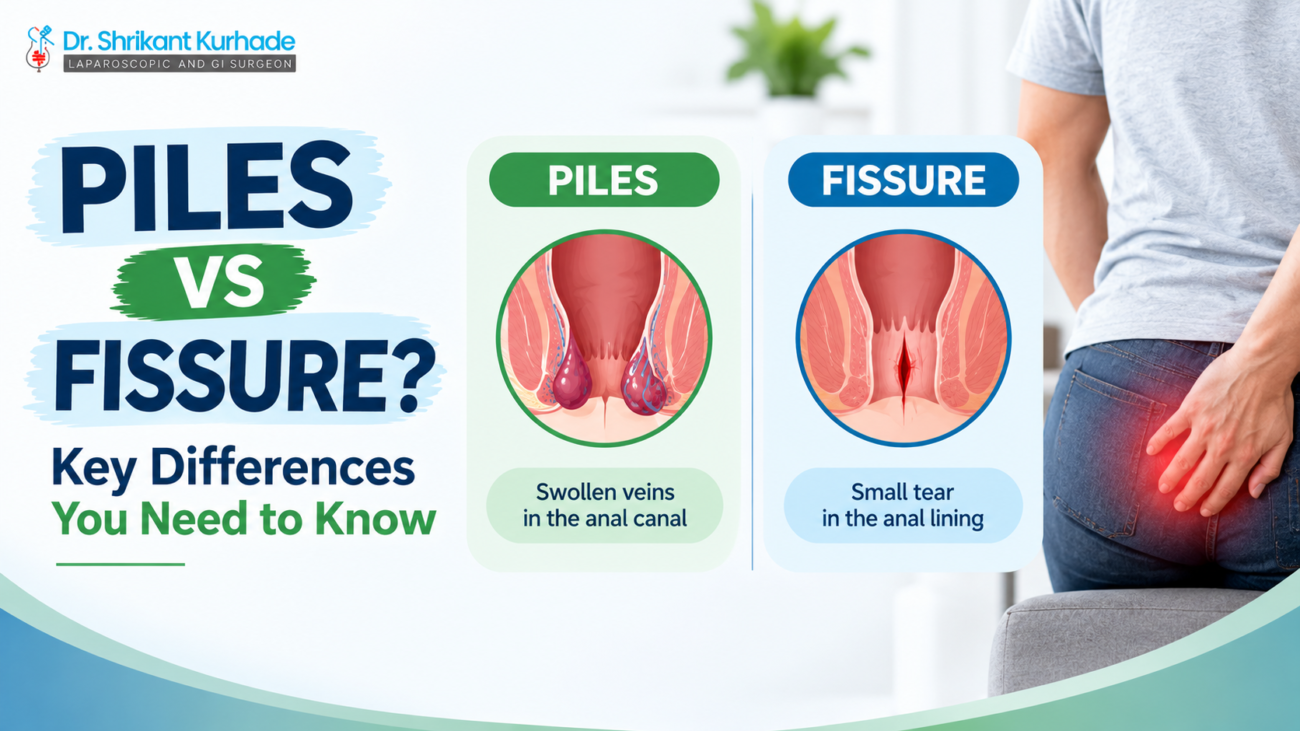
Piles, also known as hemorrhoids, are swollen and inflamed veins in the rectum and anus. They can occur internally (inside the rectum) or externally (around the anus). Common symptoms include: 

  • Pain while passing stool 
  • Bleeding 
  • Itching or irritation 
  • A lump or swelling near the anus 
  • Mucus discharge 

While piles are extremely common, especially in adults, the causes behind them are often misunderstood. 

Can Sitting For Long Hours Cause Piles

Here’s the truth:
Sitting for long hours does not directly cause piles, but it increases your risk and can worsen existing hemorrhoids.

Let’s understand how. 

1. Pressure on Rectal Veins 

When you sit for extended periods, especially on hard surfaces, it increases pressure on the veins in the anus and rectum. These veins become swollen and irritated, increasing the chances of developing piles. 

2. Reduced Blood Flow 

Prolonged sitting slows down blood circulation in the lower body. Poor blood flow leads to congestion in rectal veins, making them more prone to swelling. 

3. Constipation and Straining 

People who sit a lot tend to move less. Lack of activity weakens digestion, causing constipation. Straining during bowel movements is one of the biggest triggers of piles.

If you’re wondering “can sitting a lot cause hemorrhoids?”—poor digestion caused by inactivity is one of the reasons why.

4. Poor Posture Adds to the Problem 

Sitting with a slouched back or leaning forward compresses abdominal organs and increases pressure on pelvic veins. This further contributes to hemorrhoid formation. 

So while sitting itself is not the only cause of piles, it creates conditions that make piles more likely. 

Who Is at Higher Risk? 

People who sit for long periods daily are more vulnerable, such as: 

  • Office workers 
  • Drivers 
  • Students 
  • Gamers 
  • Shopkeepers who sit continuously 
  • People with sedentary lifestyles 

If you fall into any of these categories, preventive measures are extremely important. 

Other Factors That Cause Piles 

While sitting is one risk factor, piles typically develop due to a combination of multiple reasons: 

  • Chronic constipation 
  • Low-fiber diet 
  • Lack of hydration 
  • Heavy lifting 
  • Pregnancy 
  • Obesity 
  • Family history 
  • Aging 
  • Persistent coughing or sneezing 

Understanding these helps you make healthier choices. 

How to Prevent Piles If You Sit for Long Hours 

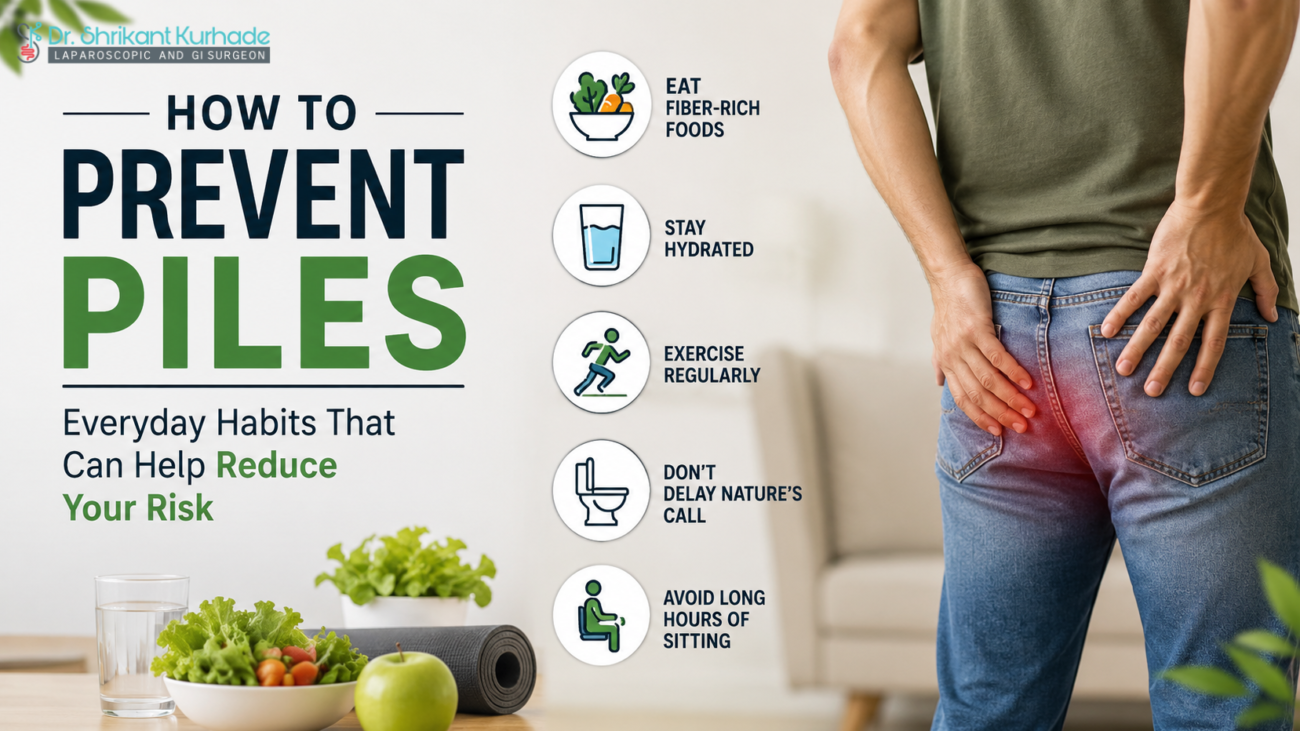
Here are practical and simple tips you can start today: 

1. Take Breaks Every 30 Minutes 

Stand up, walk around, or stretch for 2–3 minutes. This improves blood circulation and reduces pressure on rectal veins. 

2. Use a Cushion or Soft Seating 

A good-quality cushion or seat pad reduces direct pressure on the anal area. 

3. Improve Your Posture 

Sit with your back straight, feet flat on the floor, and avoid leaning forward. 

4. Drink Enough Water 

Hydration keeps stools soft and reduces straining. 

5. Eat High-Fiber Foods 

Include fruits, vegetables, whole grains, and salads to improve digestive health. 

6. Stay Physically Active 

A 20–30-minute walk daily improves bowel movement and reduces the risk of piles significantly. 

7. Avoid Sitting on the Toilet for Too Long 

Many people sit with their phone for long periods while using the toilet—this is a major trigger for piles. 

8. Respond Quickly to Nature’s Call 

Delaying bowel movements can cause constipation and hard stools. 

When Should You See a Doctor? 

If you notice persistent symptoms like: 

  • Bleeding 
  • Severe pain 
  • Lump around the anus 
  • Discomfort that affects daily life 
  • Recurrent constipation 

…it’s important to consult a piles specialist. Early treatment prevents complications and speeds up recovery. 

Modern treatments such as laser piles surgery, rubber band ligation, and sclerotherapy offer quick relief with minimal pain and fast recovery. 

Final Thoughts 

So, can sitting cause hemorrhoids?

Not directly—but prolonged sitting creates conditions that increase the risk of piles and can worsen existing hemorrhoids.

If your symptoms continue, it’s important to meet a piles specialist early to avoid complications and receive the right treatment on time. If you’re looking for expert care nearby, you can consult a piles doctor in Pimpri Chinchwad for proper evaluation. At KK Care Clinic, Dr. Shrikant Kurhade, an expert robotic surgeon, along with his skilled team, provides comprehensive evaluations and customized treatment plans to help you manage piles effectively and comfortably.