
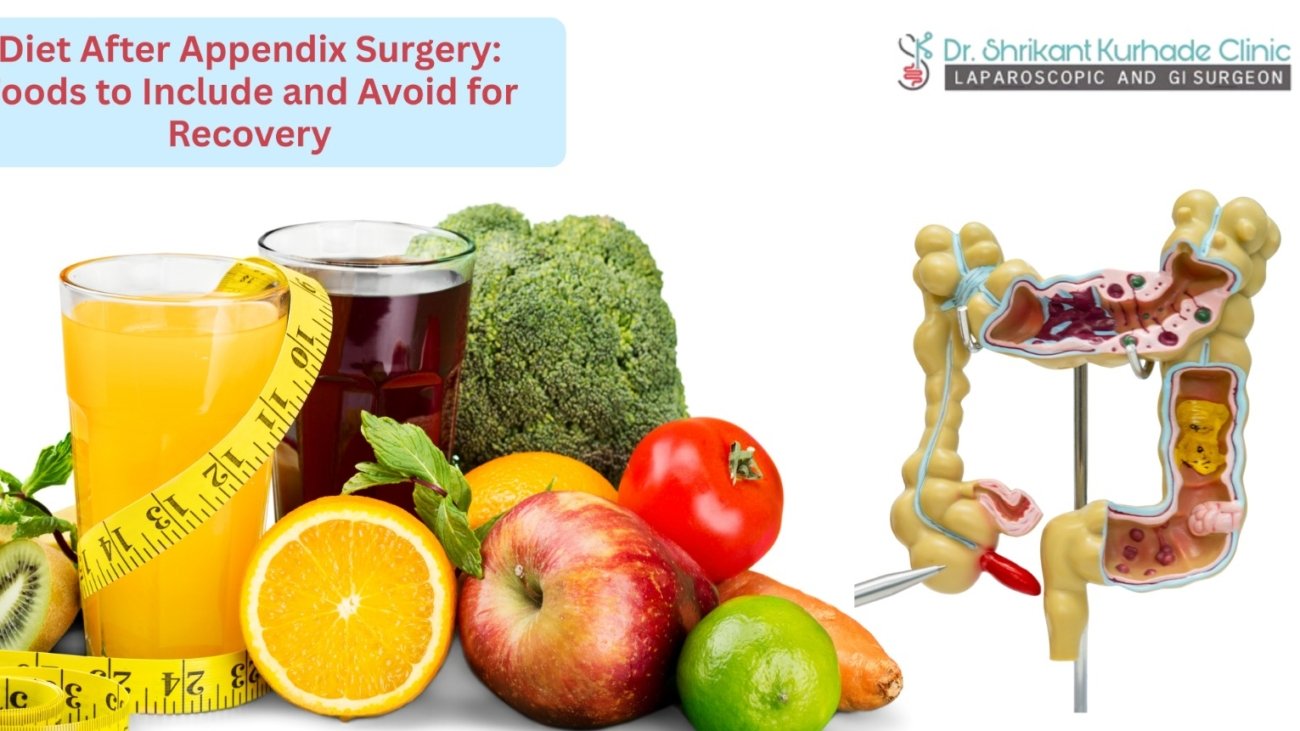
Why Your After Appendix Surgery Diet Matters
Appendix surgery, medically known as appendectomy, is one of the most common emergency surgical procedures worldwide. While the surgery effectively removes an inflamed appendix, your recovery journey doesn’t end in the operating room. Understanding what to eat after appendix surgery is crucial for smooth healing, preventing complications, and restoring your digestive health.
Whether you’ve undergone laparoscopic or open appendectomy, following a proper post appendectomy diet can significantly reduce discomfort, speed up recovery, and help you return to normal activities faster. This comprehensive guide covers everything you need to know about diet after appendectomy, including recommended foods, the critical list of foods not to eat after appendix surgery, and expert recovery tips.
Why Diet After Appendix Surgery Is Critical for Recovery
After your appendectomy, your body enters an intensive healing phase. Here’s why the right diet for appendix patient after surgery matters:
- Digestive System Sensitivity: Anesthesia and surgical trauma temporarily slow down your digestive function
- Medication Effects: Pain medications, particularly opioids, can cause constipation and nausea
- Tissue Repair Needs: Your body requires specific nutrients to heal incisions and internal tissues
- Infection Prevention: Proper nutrition supports immune function and reduces complication risks
- Energy Restoration: A balanced diet helps combat post-surgical fatigue
Ignoring dietary guidelines during recovery may lead to bloating, constipation, delayed healing, or even surgical complications. That’s why doctors recommend a carefully phased approach to diet after appendectomy.
Immediate Post Appendectomy Diet (First 24-48 Hours)
What to Eat After Appendix Surgery in the First Two Days
During the initial recovery period, your digestive system needs maximum rest. The focus is on clear liquids that provide hydration without stressing your stomach.
Recommended Clear Liquids:
- Clear vegetable or chicken broths (unstrained)
- Plain rice water or dal water
- Coconut water (excellent for electrolytes)
- Oral rehydration solutions
- Plain gelatin or clear popsicles
- Warm water and mild herbal teas (chamomile, ginger)
- Diluted apple juice (if tolerated)
Why These Foods? Clear liquids prevent dehydration, reduce nausea, and allow your digestive system to wake up gradually after anesthesia without causing strain or discomfort.
Soft Diet After Appendectomy (Days 3-7)
What Can You Eat After Appendix Surgery During the Soft Food Phase
Once bowel sounds return and you can tolerate liquids without nausea, gradually introduce soft, easily digestible foods. This is a crucial transition in your appendix surgery recovery diet.
Recommended Soft Foods:
- Soft-cooked white rice or rice porridge
- Khichdi (rice and lentil mixture)
- Boiled or mashed potatoes (without skin)
- Plain curd or low-fat yogurt with live cultures
- Steamed vegetables: carrots, bottle gourd (lauki), pumpkin, zucchini
- Scrambled or soft-boiled eggs
- Ripe bananas and stewed apples
- Well-cooked oatmeal or cream of wheat
- Smooth nut butters (in small amounts)
- Baked or poached white fish (if tolerated)
Eating Guidelines for This Phase:
- Eat 5-6 small meals instead of 3 large ones
- Chew food thoroughly and eat slowly
- Avoid raw vegetables and fruits initially
- Introduce one new food at a time
- Stop eating if you feel full or uncomfortable
Transitioning to Normal Diet After Appendix Surgery (Weeks 2-4)
What Is the Diet After Appendix Surgery for Long-Term Recovery
As healing progresses, you can gradually return to a normal, balanced diet. Focus on nutrient-dense foods that support tissue repair and strengthen immunity.
Foods to Include for Optimal Recovery:
High-Quality Proteins (essential for tissue repair):
- Lentils (dal), chickpeas, and beans
- Paneer, tofu, and tempeh
- Lean chicken breast and turkey
- Fish (salmon, cod, tilapia)
- Eggs prepared any style
- Greek yogurt and cottage cheese
Complex Carbohydrates (for energy):
- Whole wheat roti and bread
- Brown rice and quinoa
- Oats and barley
- Sweet potatoes
Fiber-Rich Foods (introduce gradually):
- Cooked vegetables: spinach, beans, broccoli, cauliflower
- Fresh fruits: papaya, pears, apples (with skin), berries
- Whole grains and legumes
- Prunes and figs (excellent for preventing constipation)
Healthy Fats (in moderation):
- Nuts and seeds (almonds, walnuts, chia seeds)
- Olive oil and avocado
- Fatty fish rich in omega-3s
Hydration:
- 8-10 glasses of water daily
- Herbal teas and fresh vegetable juices
- Buttermilk and coconut water
List of Foods Not to Eat After Appendix Surgery
Avoiding certain foods is just as important as eating the right ones. Here’s your comprehensive list of foods not to eat after appendix surgery, especially during the first 2-4 weeks:
Foods to Strictly Avoid:
1. Fried and Greasy Foods – Difficult to digest, can cause nausea and abdominal discomfort
- Deep-fried snacks (samosas, pakoras, french fries)
- Fried chicken, fish, or meat
- Heavy oil-based curries and gravies
2. Spicy Foods – Can irritate the digestive lining and cause acid reflux
- Hot peppers and chili-heavy dishes
- Spicy curries and masalas
- Hot sauces and seasonings
3. Processed and Junk Foods- High in unhealthy fats, preservatives, and sodium
- Fast food (burgers, pizza, tacos)
- Packaged chips and snacks
- Processed meats (sausages, bacon, deli meats)
- Instant noodles and ready-to-eat meals
4. Carbonated and Alcoholic Beverages – Cause gas, bloating, constipation and can interfere with medications
- Soda and fizzy drinks
- Beer and sparkling water
- Wine, spirits, and cocktails
5. Caffeinated Beverages (in excess) – Can cause dehydration and interfere with sleep needed for healing
- Strong coffee and espresso
- Energy drinks
- Excessive tea consumption
6. Raw and Hard-to-Digest Foods (initially) – Difficult to digest when digestive system is still recovering
- Raw vegetables and salads
- Uncooked fruits with tough skins
- Whole corn and popcorn
- Raw onions and garlic
7. High-Sugar Foods – Can cause blood sugar spikes and inflammation
- Candies and chocolates
- Pastries, cakes, and cookies
- Sweetened beverages and sodas
8. Dairy Products (if lactose intolerant) – May cause gas, bloating, or diarrhea in sensitive individuals
- Whole milk and cream
- Ice cream
- Full-fat cheese
9. Red Meat and Fatty Meats – Harder to digest and may slow recovery
- Beef, pork, and lamb (initially)
- Fatty cuts of meat
10. Cruciferous Vegetables (initially) – Can cause gas and bloating during early recovery
- Cabbage, Brussels sprouts
- Cauliflower (raw), broccoli (raw)
Managing Common Post-Surgery Digestive Issues
Diet for Appendix Patient After Surgery: Preventing Constipation
Constipation is one of the most common complications after appendectomy, primarily due to pain medications and reduced physical activity.
Solutions:
- Gradually increase fiber intake (start with soluble fiber from oats, bananas)
- Drink warm water first thing in the morning
- Consume prunes or prune juice
- Include papaya and kiwi in your diet
- Stay well-hydrated throughout the day
- Walk gently as soon as cleared by your doctor
Managing Bloating and Gas
Helpful strategies:
- Avoid gas-producing foods initially (beans, cabbage, onions)
- Eat slowly and chew thoroughly
- Drink ginger or peppermint tea
- Practice gentle walking after meals
- Avoid carbonated beverages
Expert Tips for Your Appendix Surgery Recovery Diet
- Eat Small, Frequent Meals: 5-6 small meals are easier to digest than 3 large ones
- Chew Thoroughly: Proper chewing reduces digestive workload
- Stay Upright After Eating: Wait at least 30 minutes before lying down to prevent reflux
- Listen to Your Body: If a food causes discomfort, eliminate it temporarily
- Gradually Reintroduce Foods: Add new foods one at a time to identify triggers
- Maintain a Food Diary: Track what you eat and how you feel to identify patterns
- Follow Medical Advice: Your surgeon’s specific recommendations take priority
- Supplement Wisely: Take probiotics if recommended to restore gut health
- Avoid Straining: Don’t force yourself to eat if you’re not hungry
- Be Patient: Recovery timelines vary; don’t rush the process
Sample Post Appendectomy Diet Meal Plan
Day 1-2 (Clear Liquids)
- Morning: Warm water, clear broth
- Mid-morning: Coconut water
- Lunch: Rice water, herbal tea
- Evening: Clear vegetable broth
- Night: Warm water
Day 3-7 (Soft Foods)
- Breakfast: Soft oatmeal with mashed banana
- Mid-morning: Low-fat yogurt
- Lunch: Khichdi with steamed carrots
- Evening: Boiled egg, herbal tea
- Dinner: Mashed potatoes, clear soup
Week 2+ (Regular Diet)
- Breakfast: Scrambled eggs, whole wheat toast, papaya
- Mid-morning: Apple slices with almond butter
- Lunch: Grilled chicken, brown rice, steamed vegetables
- Evening: Greek yogurt with berries
- Dinner: Baked fish, quinoa, sautéed spinach
When to Consult Your Doctor
Contact an expert appendix surgeon or your healthcare provider immediately if you experience any of the following symptoms.
- Persistent or worsening abdominal pain
- Continuous vomiting or inability to keep liquids down
- Severe bloating or distension
- Fever above 100.4°F (38°C)
- No bowel movement for more than 3 days despite dietary changes
- Blood in stool or vomit
- Increasing redness, swelling, or discharge from incision site
- Loss of appetite lasting more than a few days
Conclusion: Your Path to Complete Recovery
Following the proper diet after appendix surgery is essential for minimizing complications and ensuring complete healing. By understanding what to eat after appendectomy, knowing the list of foods not to eat after appendix surgery, and following a phased dietary approach, you can support your body’s natural healing process and return to normal activities faster.
Remember that every recovery is unique. While these guidelines provide a solid foundation, always prioritize your surgeon’s specific recommendations for your individual situation.
Expert Post-Surgical Care at KK Care Clinic
At KK Care Clinic, patients receive comprehensive post-surgical care that extends far beyond the operating room. Our personalized recovery plans include detailed dietary guidance, activity recommendations, pain management strategies, and continuous follow-up support to ensure optimal healing.
Dr. Shrikant Kurahde, a highly experienced robotic surgeon at KK Care Clinic, highlights that a carefully planned, gradual post-appendectomy diet, along with proper medical supervision, plays a crucial role in faster and safer recovery. With his expert approach to Appendix Treatment in Pune, patients receive personalized care at every stage—from pre-operative planning and surgery to complete recovery—ensuring optimal safety, comfort, and long-term digestive well-being.
Our team understands that proper nutrition is a cornerstone of surgical recovery. We provide each patient with a customized appendix surgery recovery diet plan tailored to their specific needs, preferences, and healing progress.