WhatsApp Image 2025-05-28 at 5.53.59 PM

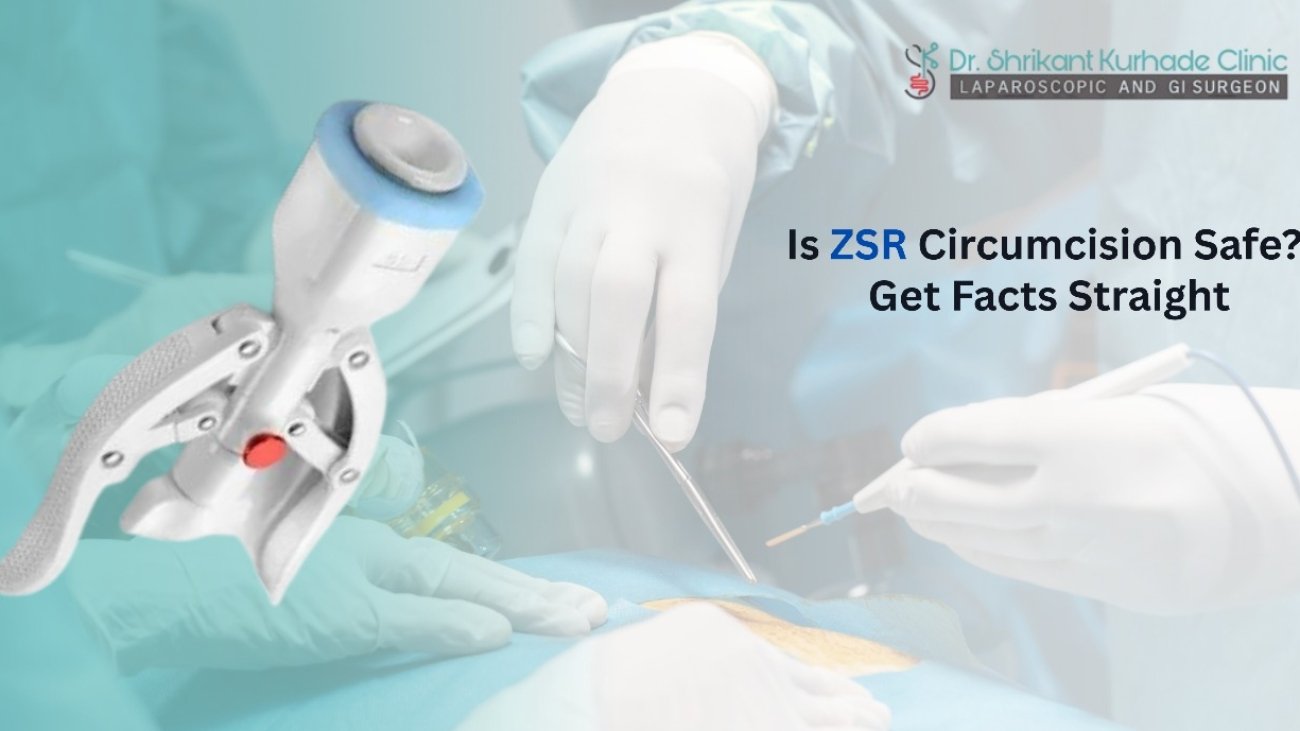
Is ZSR Circumcision Safe? Get Facts Straight

Circumcision is a common medical procedure performed for various medical, cultural, or religious reasons. Over the years, advancements in technology have led to more refined and less invasive techniques. One such innovation is the ZSR circumcision, a minimally invasive, stapler-assisted procedure gaining popularity for its safety and efficiency. But the question many people ask is: Is ZSR circumcision safe? Let’s explore the facts and what you should know before opting for this procedure.

What Is ZSR Circumcision?

ZSR circumcision is a modern, painless circumcision technique that uses a surgical stapler device to remove the foreskin quickly and with minimal bleeding. It stands apart from traditional circumcision methods by offering faster recovery, less pain, and better cosmetic outcomes.

At KK Care Clinic, under the expert guidance of Dr. Shrikant Kurhade, ZSR circumcision is performed using sterile, advanced tools that ensure maximum patient safety and comfort.

Why Choose ZSR Circumcision?

There are several reasons why ZSR circumcision is becoming the preferred choice among patients and urologists:

1. Painless and Quick Procedure

ZSR circumcision is typically performed under local anesthesia and takes just 10–15 minutes. The device automatically staples and cuts the foreskin, making the process quick and virtually painless.

2. Minimal Bleeding

Unlike traditional methods, ZSR minimizes bleeding by instantly sealing blood vessels as it cuts. This reduces complications and speeds up the healing process.

3. Fast Recovery Time

Most patients return to their daily activities within 3–5 days, with complete healing expected in about 2–3 weeks. At KK Care Clinic, patients receive detailed aftercare instructions to ensure a smooth recovery.

4. Better Aesthetic Results

The stapler-based circumcision produces neat, symmetrical results with minimal scarring, which many patients prefer for cosmetic reasons.

Is ZSR Circumcision Safe?

Yes, ZSR circumcision is considered safe, especially when performed by a trained urologist like Dr. Shrikant Kurhade at KK Care Clinic. The risks associated with the procedure are minimal and typically include mild swelling or discomfort that resolves quickly.

Common Safety Benefits Include:

  • Sterile and hygienic technique
  • Shorter surgical time
  • Fewer complications
  • Reduced risk of infection

The procedure is widely accepted as a safe and advanced alternative to conventional circumcision methods, especially in adults and adolescents.

Who Is a Good Candidate for ZSR Circumcision?

ZSR circumcision is suitable for:

  • Men with phimosis (tight foreskin)
  • Patients with recurrent infections
  • Individuals seeking hygiene-related benefits
  • Anyone looking for a less painful circumcision option

Before undergoing the procedure, Dr. Shrikant Kurhade will conduct a thorough evaluation to determine if ZSR circumcision is the best option for you.

What to Expect After the Procedure?

At KK Care Clinic, post-operative care is a key part of the healing process. Here’s what patients can expect:

  • Mild discomfort or swelling for the first 2–3 days
  • Medication to manage pain and inflammation
  • Staples falling off naturally within 7–10 days
  • Avoidance of heavy exercise or sexual activity for about 2–3 weeks

Patients are advised to follow all aftercare instructions provided by the clinic to prevent complications and ensure a smooth recovery.

Are There Any Side Effects of ZSR Circumcision?

While rare, minor side effects may include:

  • Temporary swelling or bruising
  • Mild pain at the surgical site
  • Delayed staple shedding in some cases

Serious complications are extremely rare when the procedure is carried out by an experienced specialist like Dr. Shrikant Kurhade. If any unusual symptoms occur, the clinic offers immediate medical support and follow-up care.

Why Trust KK Care Clinic for ZSR Circumcision?

KK Care Clinic, led by Dr. Shrikant Kurhade, is a trusted name in urological care in Pune and PCMC. Patients choose the clinic for:

  • Advanced surgical technology
  • Highly experienced urologist
  • Personalized patient care
  • Clean, well-equipped facility
  • Affordable treatment packages

Dr. Kurhade has years of experience in performing circumcision procedures and is known for his precision, care, and patient-friendly approach.

Conclusion

So, is ZSR circumcision safe? Absolutely. This advanced procedure offers numerous benefits, including minimal pain, faster healing, better appearance, and fewer complications. It is especially effective when performed by a qualified and experienced urologist.

At KK Care Clinic, Dr. Shrikant Kurhade ensures each patient receives expert evaluation, a safe procedure, and complete post-operative support. If you or your loved one is considering circumcision, schedule a consultation to discuss whether ZSR circumcision is the right choice for you.

Take the first step towards safe and modern care—book your appointment with KK Care Clinic today.

WhatsApp Image 2025-05-30 at 1.12.54 PM (1)

Obesity: A Chronic Condition, Not Just a Lifestyle Issue

Obesity is a growing health concern in different countries including India. It affects people of all age groups and backgrounds. It is defined as an excess of body fat and is typically measured by body mass index (BMI). Obesity is not just a cosmetic concern, but a chronic disease that can have serious health consequences if left untreated. In this blog post, we’ll delve into the causes of obesity, explore whether it stems from lifestyle choices or qualifies as a medical condition, and highlight key obesity risk factors and related health concerns.

What is Obesity?

Obesity is a condition characterized by having too much body fat, exceeding what’s considered healthy for a given height. It’s a chronic disease that can lead to various health problems, including type 2 diabetes, heart disease, and certain cancers. The World Health Organization (WHO) defines overweight as a BMI greater than or equal to 25, and obesity as a BMI greater than or equal to 30.

Causes of Obesity

Obesity can be caused by a variety of factors, including hereditary, lifestyle changes, hormonal problems, and certain medications.

  • Hereditary: Obesity can run in families, and research suggests that genetic factors may play a role in the development of the disease. Studies have shown that people with a family history of obesity are at a higher risk of developing the condition themselves.
  • Lifestyle changes: A sedentary lifestyle and poor dietary habits can contribute to weight gain and the development of obesity. Many people consume more calories than they need, and do not engage in enough physical activity to burn them off.
  • Hormonal problems: Hormonal imbalances can also contribute to the development of obesity. For example, people with hypothyroidism (an underactive thyroid gland) may have difficulty losing weight despite making lifestyle changes. Additionally, people with polycystic ovary syndrome (PCOS) often have difficulty losing weight and may be at a higher risk of obesity.
  • Medications: One of the common but often overlooked causes of weight gain is the use of certain medications, including some antidepressants and anti-seizure drugs. It’s important to consult your doctor about the potential side effects of any medication you’re taking, especially if you notice unexplained changes in your weight.

Understanding Obesity as a Chronic Condition

Obesity is defined by excessive fat accumulation that poses a risk to health. A person is generally considered obese when their Body Mass Index (BMI) is 30 or higher. However, obesity is not merely about body weight—it’s a metabolic, hormonal, and inflammatory condition that affects multiple organs and systems in the body.

Key Characteristics of Obesity as a Chronic Disease:

  • Progressive and relapsing in nature
  • Involves hormonal imbalances (like insulin resistance, leptin resistance)
  • Associated with chronic inflammation
  • Requires long-term medical management

Just like hypertension or diabetes, obesity often requires more than lifestyle modifications. It demands a comprehensive medical approach to manage the root causes effectively.

Why Obesity Is Not Just About Willpower

The idea that obesity results solely from overeating or lack of exercise is outdated and overly simplistic. Here are some other contributing factors that underline its complexity:

1. Genetics

Genetic predisposition plays a significant role in how the body stores fat, how quickly it burns calories, and even hunger cues. Some people are genetically more likely to gain weight than others.

2. Hormonal Imbalance

Hormones such as insulin, leptin, and ghrelin regulate hunger and metabolism. In people with obesity, these hormones may not function normally, making weight loss much harder.

3. Mental Health and Stress

Emotional eating, stress, anxiety, and depression can all contribute to unhealthy eating patterns. Moreover, obesity can also worsen mental health, creating a vicious cycle.

4. Environmental and Socioeconomic Factors

Limited access to healthy food, lack of safe spaces for exercise, irregular sleep patterns, and work-related stress can all contribute to weight gain.

How to Manage Obesity?

Managing obesity is a complex process that requires a multifaceted approach. There are several options for managing obesity, including lifestyle changes, medication, and surgery.

Lifestyle Changes

Lifestyle changes are the foundation of obesity management. This includes adopting a healthy diet and regular physical activity. A healthy diet should include a balance of carbohydrates, proteins, and fats, and should be low in sugar, saturated fats, and processed foods. Indian diets often emphasize on carbs, which can contribute to weight gain and increase the risk of developing a metabolic disorder. To lose weight, it is important to reduce carbohydrate intake and include more protein in the diet. This can include foods such as fish, poultry, and lean meats. Additionally, reducing the intake of high-calorie foods such as mithai, namkeen, and chawal, roti can help to reduce calorie intake.

Regular physical activity helps to burn calories and improves overall health. Every person should engage in at least 150 minutes of moderate aerobic exercise or 75 minutes of vigorous aerobic exercise per week. A regular 30 mins brisk walk also does good. This works for childhood obesity too.

Medication

Medications can be used in conjunction with lifestyle changes to manage obesity. There are several medications that are FDA-approved for the obesity treatment , including orlistat, lorcaserin, and phentermine-topiramate. These medications work by suppressing appetite or increasing feelings of fullness. It is important to note that medications should not be used as a replacement for lifestyle changes, but rather as a supplement to them.

Surgery

While obesity prevention focuses on lifestyle changes and medical management, surgery may be considered for individuals with severe obesity who have not achieved significant weight loss through lifestyle changes and medication.

Bariatric Surgery: A Life-Changing Option

Bariatric surgery includes a variety of surgical procedures that alter the digestive system to help people lose weight. These surgeries are typically recommended for individuals with:

·         A BMI ≥ 40

·         A BMI ≥ 35 with obesity-related health issues (like diabetes, hypertension, sleep apnea)

Common Types of Bariatric Surgery:

1.   Gastric Bypass (Roux-en-Y): Creates a small pouch in the stomach and reroutes the digestive tract, leading to reduced calorie absorption.

2.   Sleeve Gastrectomy: Removes a large portion of the stomach, reducing food intake and hunger hormone levels.

3.   Adjustable Gastric Band: Places a band around the upper part of the stomach to restrict food intake.

Benefits of Bariatric Surgery

  • Long-term weight loss
  • Improvement or resolution of type 2 diabetes
  • Reduced risk of heart disease
  • Better sleep and reduced sleep apnea
  • Improved mobility and joint health
  • Enhanced quality of life and mental well-being

Bariatric surgery is often combined with ongoing nutritional counseling, physical activity plans, and mental health support for the best results.

Conclusion

Obesity is not simply the result of overeating or lack of exercise—it is a chronic medical condition influenced by a complex interplay of factors, including genetics, hormones, environment, and mental health. Treating it solely as a lifestyle issue minimizes its seriousness and delays the comprehensive care many individuals need. Recognizing obesity as a chronic disease is crucial to ensuring proper, compassionate, and lasting treatment.

For those who have struggled with long-term weight loss despite sincere efforts with diet and exercise, bariatric surgery can be a transformative, medically supervised solution. Under the expert guidance of Dr. Shrikant Kurhade at KK Care Clinic, patients receive advanced, personalized care focused on sustainable results and improved quality of life. If you’re ready to take control of your health, don’t wait—early medical intervention at KK Care Clinic can be the turning point toward a healthier, more confident future.

WhatsApp Image 2025-05-30 at 1.12.54 PM

What Foods to Avoid When Constipated

Constipation is a common digestive problem that affects millions of people worldwide. It can lead to discomfort, bloating, and strain during bowel movements. While several factors contribute to constipation—such as dehydration, lack of exercise, and medical conditions—your diet plays a significant role. One of the most effective ways to find relief is to understand what foods to avoid when constipated and make better dietary choices.

What is Constipation & Causes?

Constipation is typically defined as having fewer than three bowel movements per week, often with hard, dry stools that are difficult to pass. It may be occasional or develop into chronic constipation, and is commonly accompanied by abdominal pain, bloating, or a feeling of incomplete evacuation.

While occasional constipation is usually not serious, persistent constipation symptoms could signal an underlying medical condition and should be evaluated by a healthcare professional.

One of the leading causes of constipation is a low-fiber diet. Fiber—found in plant-based foods like fruits, vegetables, legumes, and whole grains—adds bulk to the stool and promotes regular bowel movements. A lack of dietary fiber can slow down digestion and increase the risk of constipation.

Other common contributors include dehydration, lack of physical activity, and certain medications. Additionally, medical conditions such as hypothyroidism, irritable bowel syndrome (IBS), and neurological disorders can also lead to chronic constipation. If you’re experiencing ongoing symptoms, it’s essential to consult your doctor for proper diagnosis and treatment.

List of Foods to Avoid for Constipation

Milk and dairy products

Dairy products are low in fiber and can lead to hard, dry stools that are difficult to pass. Milk itself is not a major contributor to constipation, but many people are intolerant to the lactose in milk, which can make diarrhea worse. If you’re struggling with constipation, it’s best to avoid milk and dairy products until your digestive system is back on track.

Alcohol

There are a few different types of alcohol that can contribute to constipation, including beer, wine, and hard liquor. All alcoholic beverages contain ethanol, which is a dehydrating agent. This can make it difficult for the body to rehydrate and absorb water, leading to dehydration and constipation.

Red Meat

Red meat is a common cause of constipation. This is because it is high in fat and low in fiber. Fat slows down the movement of food through your digestive system, so if you’re struggling with constipation, avoid consuming red meat.

Fast Foods

There are a few fast foods that you should avoid if you’re constipated. These include:

  • Greasy or fried foods
  • High-fat content foods
  • Processed foods
  • Sugary drinks

Chips

Chips are high in fat and calories, and they can make your constipation worse

Prepared Foods

Prepared foods are often high in sodium, fat, and refined carbohydrates, which can contribute to constipation. Canned soup, frozen dinners, and processed snacks are some main causes of constipation. 

Processed Foods

Processed foods tend to be high in unhealthy fats, sodium, and sugar, all of which can contribute to constipation. 

Bananas

When it comes to foods to avoid constipation, bananas are a mystery. It’s a matter of timing: Ripped bananas can aid in the relief of constipation while unripe bananas can contribute to it.

White Rice

Constipation is a side effect of white rice. White rice and brown rice differ significantly from one another.

Due to the removal of the husk, bran, and germ, white rice can cause constipation. All the nutrients and fiber are there!

How to Prevent Constipation: Effective Tips for Daily Relief

In addition to avoiding constipation-triggering foods, here are a few proactive tips to maintain regular and comfortable bowel movements:

  • Increase fiber intake: Aim for 25–30 grams of fiber per day from fruits, vegetables, whole grains, and legumes.
  • Stay hydrated: Drink at least 8 glasses of water daily.
  • Exercise regularly: Physical activity helps stimulate intestinal movement.
  • Develop a routine: Try to maintain a regular bathroom schedule and avoid holding in the urge.
  • Use natural remedies: Prunes, figs, and psyllium husk can act as gentle, natural laxatives.

Conclusion

Constipation can significantly impact your daily life and overall well-being, but it is often manageable with the right approach. Following a balanced constipation diet plan that eliminates trigger foods-such as processed items, dairy, red meat, and refined grains-can help support digestive health.

Incorporating high fiber foods for constipation like fruits, vegetables, whole grains, and legumes is essential for promoting regular bowel movements. Combined with proper hydration, regular physical activity, and natural remedies, a well-structured constipation diet can relieve most mild to moderate constipation symptoms naturally.

At Dr. Shrikant Kurhade’s KK Care Clinic, we provide specialized gastrointestinal care with a patient-centric approach. Whether you’re facing chronic constipation or other digestive concerns, our team is here to offer expert diagnosis, tailored treatment, and compassionate support to help you achieve lasting relief and better gut health.

WhatsApp Image 2025-05-30 at 1.12.54 PM (2)

Top Causes of Piles You Shouldn’t Ignore

Piles, or hemorrhoids, are swollen and inflamed veins in the rectum and anus that can cause significant discomfort and even pain. They are a common issue, especially in adults over the age of 50, but can affect people of all ages. This blog delves deeply into the various reasons for piles, providing a comprehensive understanding of the factors that contribute to this condition.

What are the Reasons for Piles?

The following are the reasons for piles given below:


1. Chronic Constipation

Chronic constipation is one of the most common reasons for piles. When bowel movements are infrequent and stools are hard, it forces you to strain during defecation. This straining increase pressure in the rectal veins, causing them to swell. Over time, this repeated pressure can lead to the formation of internal and external piles. The prolonged sitting on the toilet that often accompanies constipation further exacerbates this pressure, making it a significant reason for piles.

2. Straining During Bowel Movements

Straining during bowel movements, even in the absence of constipation, is a key reason for piles. The excessive force exerted on the veins in the lower rectum disrupts normal blood flow, causing the veins to swell and eventually form piles. This can happen due to various reasons such as lifting heavy objects, persistent coughing, or even labor during childbirth.

3. Diarrhea and Frequent Bowel Movements

While constipation is a well-known reason for piles, chronic diarrhea can also be a significant factor. Frequent bowel movements irritate the rectal area, and the continuous wiping and pressure can cause the veins to become inflamed. The acidic nature of diarrhea can further irritate the anal region, leading to the development of piles. Thus, diarrhea is another reason for piles that should not be overlooked.

4. Prolonged Sitting or Standing

Spending long periods sitting or standing, especially on hard surfaces, can increase the risk factor of piles development. Sitting for extended periods compresses the veins in the anal region, causing blood to pool and pressure to build up in these veins. Over time, this pressure leads to the swelling of veins, resulting in piles. This is particularly common among people with sedentary jobs or those who remain seated for long durations without taking breaks, making it a notable reason for piles.

5. Obesity and Overweight

Carrying excess body weight, particularly around the abdomen and pelvis, exerts additional pressure on the rectal veins. This increased pressure impedes normal blood flow, leading to the swelling of veins and the formation of piles. Obesity is also often associated with poor dietary habits and a lack of physical activity, both of which contribute to constipation, further increasing the risk of piles. Therefore, obesity is a major reason for piles.

6. Pregnancy

Pregnancy is a significant reason for piles, particularly during the third trimester. The growing uterus exerts pressure on the pelvic veins, causing them to enlarge and sometimes even bulge into the anal area. Additionally, hormonal changes during pregnancy, such as increased levels of progesterone, cause the walls of blood vessels to relax, making them more susceptible to swelling. Constipation, common during pregnancy due to hormonal shifts and iron supplements, can also lead to piles.

7. Aging

As we age, the tissues supporting the veins in the rectum and anus become weaker and less elastic. This weakening makes the veins more prone to swelling and becoming piles. Additionally, age-related changes in bowel habits, such as slower digestive processes and increased likelihood of constipation, further contribute to the development of piles in older adults. Aging, therefore, is another key reason for piles.

8. Genetic Predisposition

Genetics can play a role in the development of piles. Having a family history of piles can increase your likelihood of developing them. This genetic predisposition could be due to inherited traits such as weak vein walls or poor circulation in the anal region. Additionally, some people may inherit a slower digestive system, which can lead to chronic constipation and, consequently, piles. Thus, genetics is a less obvious but important reason for piles.

9. Heavy Lifting

Frequent lifting of heavy objects, whether at work or during exercise, can contribute to the development of piles. The strain associated with lifting heavy weights increases intra-abdominal pressure, which in turn puts pressure on the rectal veins. Over time, this repeated pressure can cause the veins to swell and form piles, making heavy lifting another common reason for piles.

10. Low-Fiber Diet

A diet low in fiber is a significant contributing risk factor of piles.Fiber plays a crucial role in maintaining healthy digestion by adding volume to the stool, making it easier to move through the intestines. Without adequate fiber, stools become hard and difficult to pass, leading to straining during bowel movements. This straining increases pressure on the rectal veins, leading to the development of piles. Processed foods, which are often low in fiber, contribute to this issue. Therefore, a low-fiber diet is a dietary reason for piles.

11. Anal Intercourse

Anal intercourse can be a risk factor for piles due to the direct trauma and pressure it exerts on the anal veins. This pressure can cause the veins to swell and form piles, particularly if the activity is frequent or vigorous. As such, anal intercourse is another reason for piles that should be considered.

12. Excessive Use of Laxatives

While laxatives can help relieve constipation, their excessive or long-term use can lead to dependency and alter natural bowel movements. Over time, this can cause the muscles in the bowel to weaken, leading to more straining and the development of piles. Hence, excessive use of laxatives can be an unexpected reason for pile

When to See a Doctor

Ignoring early symptoms of piles can lead to complications such as bleeding, infections, or prolapsed hemorrhoids. Seek medical attention if you experience:

  • Bright red blood during bowel movements
  • Persistent itching or pain in the anal area
  • A lump or swelling near the anus
  • Mucus discharge or leakage

At KK Care Clinic, we offer comprehensive diagnosis and advanced treatment options for piles. Our experienced specialists provide personalized care using both medical and minimally invasive procedures.

Conclusion

Understanding the top causes of piles you shouldn’t ignore is essential to prevent discomfort, manage symptoms effectively, and avoid potential complications. Common contributors like chronic constipation, low-fiber diets, prolonged sitting, and a sedentary lifestyle are among the primary hemorrhoids causes, often leading to their development. By addressing these root causes early through healthier habits and timely medical attention, you can significantly reduce your risk and promote effective piles prevention.

If you’re experiencing ongoing symptoms or need expert evaluation, don’t hesitate to seek help. Dr. Shrikant Kurhade and the team at KK Care Clinic offer comprehensive, personalized care for piles, ensuring accurate diagnosis and effective treatment tailored to your needs. Take the first step toward relief and recovery with the trusted expertise at KK Care Clinic.

blog img1

What to Expect After Fundoplication Surgery?

Fundoplication surgery is a procedure used to treat gastroesophageal reflux disease (GERD) and hiatal hernias by strengthening the lower esophageal sphincter. It is commonly performed using a minimally invasive laparoscopic technique, resulting in reduced pain and quicker recovery compared to open surgery. While fundoplication surgery effectively relieves acid reflux symptoms, understanding the post-operative experience is crucial for a smooth recovery. This guide outlines what to expect after the procedure, from immediate post-surgical effects to long-term recovery.

Immediate Post-Surgery Recovery

1. Hospital Stay and Monitoring

After fundoplication surgery, patients typically stay in the hospital for one to three days, depending on their condition and the surgical approach. During this period:

  • Vital signs are closely monitored.
  • Pain management is initiated using prescribed medications.
  • Patients are encouraged to start walking to prevent blood clots.
  • Initial dietary modifications are introduced, often beginning with clear liquids.

2. Pain and Discomfort after fundoplication surgery

Pain and discomfort after around the surgical site, particularly in the upper abdomen and chest, are common in the first few days. Patients may also experience:

  • Shoulder pain due to trapped gas from laparoscopic surgery.
  • Sore throat from the breathing tube used during anesthesia.
  • Mild bloating and difficulty swallowing, which gradually improve over time.

Doctors typically prescribe pain relievers and anti-nausea medications to manage discomfort during the early recovery phase.

Short-Term Recovery (First Few Weeks)

1. Diet After Fundoplication Surgery

A carefully structured Nissen fundoplication diet after surgery is crucial for proper healing and optimal results. Patients typically follow this phased approach::

  • First few days: Clear liquids such as broths, herbal teas, and diluted juices.
  • Week 1-2: Pureed and soft foods, including mashed potatoes, yogurt, and oatmeal.
  • Week 3-4: Slowly introducing more solid foods while avoiding tough, spicy, and acidic foods.

2. Swallowing Difficulties

Many patients experience dysphagia (difficulty swallowing) during the initial weeks, which is normal as the esophagus adjusts to the new structure. To ease swallowing:

  • Take small bites and chew thoroughly.
  • Sip liquids between bites.
  • Avoid carbonated drinks and foods that cause bloating.

3. Activity Restrictions

Patients should avoid strenuous activities for at least four to six weeks. Key guidelines include:

  • No heavy lifting (over 10 pounds) to prevent strain on the surgical site.
  • Gentle walking to promote circulation and prevent complications.
  • Avoid bending or lying flat immediately after eating to reduce reflux symptoms.

Potential Side Effects and Complications After Fundoplication Surgery

While fundoplication is generally safe, some patients experience side effects or complications after surgery. Here’s what to watch for:

1. Gas Bloat Syndrome

A common side effect after fundoplication is gas bloat syndrome, where patients experience:

  • Increased bloating and gas buildup.
  • Inability to burp easily due to the tightened esophageal sphincter.
  • Abdominal discomfort.

To minimize symptoms:

  • Eat slowly and avoid swallowing air.
  • Stay away from carbonated drinks and gas-producing foods (beans, cabbage, onions).
  • Engage in light physical activity to aid digestion.

2. Temporary Changes in Bowel Habits

Some patients may experience mild constipation or diarrhea due to changes in digestion. Staying hydrated, eating fiber-rich foods, and taking stool softeners if needed can help regulate bowel movements.

3. Acid Reflux Symptoms Post-Surgery

While fundoplication significantly reduces GERD symptoms, some patients may still experience mild acid reflux initially. In most cases, this improves as swelling decreases. If symptoms persist, consult your surgeon for further evaluation.

Long-Term Recovery and Lifestyle Changes After Fundoplication Surgery

1. Returning to Normal Diet

By six to eight weeks post-operation, most patients are able to transition from a soft food diet after surgery to a more typical, balanced diet. However, for sustained healing and comfort, it’s still recommended to:

  • Continue eating smaller, more frequent meals.
  • Avoid foods that previously triggered reflux.
  • Stay upright after meals to reduce pressure on the stomach.

2. Resuming Physical Activity

After about four to six weeks, patients can gradually return to their normal activities. Strenuous exercise, weightlifting, and core exercises should only be resumed after receiving clearance from a doctor.

3. Long-Term Benefits and Success Rate 

Fundoplication surgery has a high success rate of patients experiencing long-term relief from GERD symptoms. To maintain these benefits:

  • Maintain a healthy weight to reduce pressure on the stomach.
  • Avoid excessive alcohol and smoking, as these can weaken the esophageal sphincter.
  • Continue follow-up visits with the surgeon to monitor recovery progress.

Dr. Shrikant Kurhade’s Expertise in Fundoplication Surgery

Dr. Shrikant Kurhade is a trusted and experienced surgeon in fundoplication surgery, offering effective, minimally invasive treatment for GERD with faster recovery and lasting relief. Utilizing advanced surgical techniques and state-of-the-art facilities, he ensures optimal patient outcomes. His comprehensive care includes personalized recovery plans after surgery diet and regular follow-ups to support complete healing and long-term wellness.

Conclusion

Recovery after fundoplication surgery is smoother and more effective with expert care from Dr. Shrikant Kurhade. Renowned for his advanced surgical skills and patient-focused approach, he ensures comprehensive post-operative care for lasting results. Specializing in robotic surgery in Pune, Dr. Shrikant Kurhade combines precision technology with compassionate care to enhance surgical outcomes. His clinic in Pune is equipped with the latest technology to support every stage of healing, improving patient comfort, recovery speed, and overall quality of life.

Blog image

Diet After Pilonidal Sinus Surgery

A well-balanced, nutritious diet is essential for a smooth recovery after pilonidal sinus surgery. Eating the right foods can promote faster healing, prevent constipation, and significantly reduce the risk of post-surgery complications. Patients are advised to focus on easily digestible meals, including fiber-rich fruits and vegetables, lean proteins, and whole grains. Staying well-hydrated is equally important to support digestion and wound healing. To aid recovery, it’s best to avoid processed foods, spicy dishes, and anything that may irritate the digestive system.

Importance of Diet in Recovery

  • After pilonidal sinus surgery, maintaining a healthy diet helps in:
  • Reducing inflammation and promoting tissue repair.
  • Preventing constipation, which can strain the surgical site.
  • Boosting immunity to prevent infections.
  • Providing essential nutrients for faster healing.

Recommended Food After Pilonidal Sinus Surgery

  1. High-Fiber Foods: Whole grains, fresh fruits, and vegetables help prevent constipation and keep digestion smooth.
  2. Protein-Rich Foods: Lean meats, fish, eggs, and dairy aid tissue repair and muscle recovery.
  3. Healthy Fats: Nuts, seeds, and olive oil support overall recovery and reduce inflammation.
  4. Hydrating Fluids: Water, herbal teas, and fresh juices keep the body hydrated and aid digestion.
  5. Probiotic Foods: Yogurt, kefir, and fermented foods improve gut health and digestion.
  6. Soft and Easily Digestible Foods: Mashed potatoes, soups, broths, and smoothies can be easier on the digestive system immediately after surgery.

Foods to Avoid

  • Processed Foods: High in sugar and unhealthy fats, which can slow down healing.
  • Spicy and Acidic Foods: May cause irritation and discomfort.
  • Carbonated Beverages: Can lead to bloating and discomfort around the surgical site.
  • Red Meat and Fried Foods: Harder to digest and can cause constipation.
  • Dairy (If Intolerant): Some patients experience bloating or discomfort with dairy consumption.

Sample Meal Plan for Recovery

  • Breakfast: Oatmeal with honey and bananas, herbal tea 
  • Mid-Morning Snack: Yogurt with flaxseeds 
  • Lunch: Grilled chicken or fish with steamed vegetables and brown rice 
  • Afternoon Snack: A fruit smoothie or nuts and seeds 
  • Dinner: Lentil soup with whole-grain bread
  • Evening Snack: Herbal tea with a handful of almonds

Dr. Shrikant Kurhade’s Approach to Post-Surgical Nutrition

Dr. Shrikant Kurhade, a renowned pilonidal sinus specialist, offers expert, patient-centered care for individuals recovering from pilonidal sinus surgery. His clinic provides personalized dietary plans designed to promote faster healing, reduce post-operative discomfort, and support overall recovery. Patients receive professional guidance on meal planning, hydration, and nutrient intake, ensuring optimal results during the healing process. The clinic also offers specialized consultations to help manage dietary restrictions and optimize post-surgical nutrition, making it a trusted destination for comprehensive pilonidal sinus treatment and recovery care.

Conclusion

A well-balanced diet after pilonidal sinus surgery is essential for a smooth recovery and the prevention of post-operative complications. Consuming the right foods helps reduce inflammation, ease digestion, and accelerate the healing process. Under the expert care of Dr. Shrikant Kurhade, a leading pilonidal sinus specialist in pune, patients receive personalized nutritional guidance tailored to their recovery needs. His clinic is known for offering the best post-surgical care with a focus on dietary support and long-term healing. The clinic is also a trusted choice for Pilonidal Sinus Surgery in Pimpri Chinchwad, combining surgical expertise with comprehensive recovery planning. By following professional dietary recommendations after pilonidal sinus surgery, patients can recover faster and return to their normal routine with confidence.

4dcc2251-2a7b-4989-b1e5-655ac381e857

Is Robotic Surgery Safer ?

Are you wondering, Is robotic surgery safer than traditional methods? The answer is yes! Robotic surgery provides greater precision, control, and safety compared to both open and laparoscopic procedures. Open surgery involves making a large incision, relying entirely on the surgeon’s hands and expertise. Laparoscopic surgery, while less invasive, uses small keyholes with a camera and long instruments to perform the procedure.

Robotic surgery takes these benefits even further. With advanced robotic arms controlled by the surgeon, movements are more precise, reducing the risk of complications. This results in smaller incisions, less pain, faster recovery, and improved overall patient safety.

Advantages of robotic surgery

There are some distinct advantages of robotic surgery and there are some special features added in the robotic system itself for safe surgical outcome . 

1. TRUE 3 dimensional vision: 

In robotic surgery, the surgeon sits at the surgical console. When the surgeon’s eyes are engaged in the console, they can see binocular and true 3D vision, which helps them achieve better depth perception. Better depth perception allows surgeons to move their instruments with precision.

2. Magnification: 

Robotic vision offers 10 times more magnification than a surgeon’s eyes, allowing for a clear view of small nerves, blood vessels, and ureters. This precision helps prevent damage to vital structures. In cancer and hernia surgeries, nerve preservation is crucial to avoiding complications like impotence and chronic pain.

3. Camera control: 

Unlike laparoscopy, where the camera is held by an assistant, in robotic surgery, it is controlled by the surgeon, making it steady. Steady vision causes less visual fatigue for surgeons and can easily reach narrow areas of the abdomen, such as the pelvis and hiatus.

4. Bi dexterity: 

In robotic surgery, instruments attached to robotic arms are inserted into the abdominal cavity. The movement of these instruments is controlled by the surgeon’s hands using the finger clutches on the robotic console. The robotic platform enables surgeons to perform surgery with both hands with equal expertise, allowing even monodextrous surgeons to become bidextrous.

5. Communication and assistant surgeon: 

An assistant surgeon is present on the patient’s side and is as skilled as the primary surgeon. A special audio system and speakers help surgeons communicate with the team. The voices of both the surgeon and the assistant are enhanced, ensuring that even a whisper from the surgeon can be heard by the team.

6. Infrared sensors: 

As soon as the surgeon takes their vision away from the console and stops looking at the surgical field, infrared sensors become active, causing the instruments to remain fixed and not move. This means the instruments can only move when the surgeon is watching and has control over them, which is not possible in laparoscopy.

7.  Limited use of instruments: 

Robotic instruments are for limited use and are disposed of even if they are in good condition. This further increases the safety of robotic surgery.

8. FDA approved: 

Any medical device requires approval from a government agency. Robotic systems are extensively evaluated by the FDA and are allowed to be used in patients only after proper clinical trials. Robotic systems are not new and have been in use for more than 20 years.

If we consider all points, robotic surgery is much safer and better than laparoscopic surgery.

Why Choose Us for Robotic Surgery?

Many patients wonder, “Is robotic surgery safer?” The answer lies in its advanced technology and precision, which significantly reduce risks compared to traditional open and laparoscopic surgery. With robotic-assisted procedures, patients experience less pain, smaller incisions, and faster recovery, making it a superior choice for various medical conditions. The benefits of robotic surgery extend beyond just safety—it enhances precision and minimizes complications.

One of the biggest advantages of robotic surgery is its high-definition 3D vision, steady camera control, and precise instrument movement, allowing surgeons to operate with unparalleled accuracy. These features minimize complications and improve surgical outcomes.

Dr. Shrikant Kurhade, a leading Robotic Surgeon in Pune, is highly skilled in robotic-assisted procedures, ensuring the highest safety standards and personalized patient care. Choosing his expertise means opting for innovation, precision, and better surgical outcomes.

What is Robotic Bariatric Surgery?

What is Robotic Bariatric Surgery?

Robotic bariatric surgery is an advanced, minimally invasive weight loss procedure that enhances surgical precision and control. With smaller incisions, reduced pain, and faster recovery, it offers a safer and more effective approach to weight loss surgery, improving patient outcomes and overall success. Bariatric surgery involves division of stomach, intestine and anastomosis by suturing. 

Advantages of Robotic Bariatric Surgery

Robotic bariatric surgery enhances precision, safety, and recovery. With 3D vision and AI-assisted tools, it ensures minimal pain and faster healing. Below are the benefits of weight loss surgery, making it ideal for high-BMI patients.

  1. Magnified and 3D vision: It helps to see the stomach and other structures clearly and increases the precision of surgery.
  2. Wrist-like moving instruments: Robotic instruments have 7 degrees of freedom and can move like the wrist joint of surgeons. Because of this, surgeons can suture with both hands easily during bariatric surgery.
  3. SureForm technology: The robotic surgery system enables the use of staplers effectively as it can move 270 degrees and can be placed at a precise location on the stomach and intestine. It is also further assisted by AI, which helps to judge the appropriateness of the thickness of the stomach and stapler length. This increases the safety of robotic surgery many times and avoids leaks and bleeding from stapler lines.
  4. Less pain and faster recovery: Robotic surgery is done through smaller holes, and there is very little movement at the abdominal wall, with movement occurring at the tip of the instruments. Hence, there is very little pain in the postoperative period, facilitating early discharge of the patient.

Robotic surgery is the preferred choice for patients with a very high BMI of more than 50, as laparoscopy becomes difficult due to the thick abdominal wall. Since robotic surgery arms are heavy and equipped with strong instruments, it is much easier to perform surgery.

Why Choose Us?

Understanding what robotic bariatric surgery is the first step toward making an informed decision. Choosing a skilled and experienced team is crucial for the best results. Dr. Shrikant Kurhade, a leading bariatric surgeon in Pune, specializes in robotic-assisted weight loss procedures, using advanced technology for precision and safety. We provide personalized treatment plans tailored to each patient’s unique needs, ensuring a smooth and effective weight loss journey. From pre-surgery counseling to post-surgery support, our dedicated team is with you every step of the way. If you’re also searching for specialized care for anorectal conditions, our experienced Bariatric Surgery in Pimpri Chinchwad can guide you with advanced treatment options.

The benefits of weight loss surgery extend beyond just losing weight—it significantly improves overall health and quality of life. With robotic surgery, patients experience faster recovery, minimal pain, and a lower risk of complications compared to traditional methods. Choosing us means opting for expertise, innovation, and compassionate care, helping you achieve long-term success in your weight loss goals.

WhatsApp Image 2025-03-21 at 4.29.46 PM

What is Nissen Fundoplication? Understanding GERD Treatment and Recovery

If you’re struggling with severe GERD or a hiatal hernia that isn’t improving with medications or lifestyle changes, a surgical procedure called Nissen fundoplication could be an effective solution. It works by strengthening the lower esophageal sphincter to prevent acid reflux. This guide explains how the procedure is done, its benefits, possible risks, recovery tips, and important things to consider before making a decision.

What is Nissen Fundoplication?

Nissen fundoplication is a surgical procedure used to treat gastroesophageal reflux disease (GERD) and hiatal hernias. It involves wrapping the upper portion of the stomach (fundus) around the lower end of the esophagus to reinforce the lower esophageal sphincter (LES), preventing acid reflux. This procedure is typically recommended for patients who do not respond well to medications or lifestyle modifications and suffer from severe GERD symptoms.

Understanding GERD and Its Impact

Gastroesophageal reflux disease (GERD) is a chronic condition where stomach acid frequently flows back into the esophagus, causing irritation and damage to the esophageal lining. Common symptoms of GERD include:

  • Heartburn
  • Regurgitation
  • Difficulty swallowing (dysphagia)
  • Chest pain
  • Chronic cough
  • Hoarseness or sore throat

If left untreated, GERD can lead to complications such as Barrett’s esophagus, esophageal ulcers, and an increased risk of esophageal cancer.

How Nissen Fundoplication Works

During a Nissen fundoplication, the surgeon wraps the fundus of the stomach around the esophagus and secures it with sutures. This enhances the function of the lower esophageal sphincter, making it more difficult for stomach acid to reflux into the esophagus. The procedure can be performed using two main techniques:

  • Open Surgery: Involves making a large incision in the abdomen to access the stomach and esophagus.
  • Laparoscopic Surgery: A minimally invasive approach that uses small incisions and a camera-guided instrument to perform the procedure.

Laparoscopic Nissen fundoplication surgery is the preferred method due to its shorter recovery time, reduced postoperative pain, and lower risk of complications.

Who is a Candidate for Nissen Fundoplication?

Nissen fundoplication surgery is recommended for individuals who experience persistent GERD symptoms that severely affect their daily life and require medical intervention. Additionally, it is suitable for those who:

  • Experience severe GERD symptoms despite taking medications
  • Have complications such as esophagitis or Barrett’s esophagus
  • Suffer from a hiatal hernia causing acid reflux
  • Do not want long-term dependence on acid-reducing drugs
  • Experience frequent regurgitation or aspiration leading to respiratory issues

Nissen Fundoplication Surgery Procedure

  • Pre-Surgery Preparations: Patients may undergo diagnostic tests such as endoscopy, pH monitoring, and esophageal motility studies to evaluate their condition.
  • Anesthesia: The Nissen fundoplication surgery is performed under general anesthesia.
  • Procedure Execution: The surgeon wraps the stomach around the lower esophagus and secures it.
  • Closure: The incisions are closed with sutures or surgical glue.
  • Recovery: Patients typically stay in the hospital for 1-3 days after surgery and may take several weeks to resume normal activities.

Nissen Fundoplication Recovery and Post-Surgical Care

After the Nissen Fundoplication Surgery, patients should follow the recovery guidelines mentioned below to ensure proper healing and minimize complications.

  • Follow a liquid or soft food diet for a few weeks.
  • Avoid heavy lifting or strenuous activities during recovery.
  • Gradually reintroduce solid foods as per the doctor’s advice.
  • Take prescribed medications to manage pain and prevent nausea.

Potential Risks and Complications after Nissen fundoplication

While Nissen fundoplication surgery is generally safe,patients should be aware of the potential risks mentioned below to ensure timely identification and proper management.

  • Difficulty swallowing due to excessive tightening of the LES
  • Gas-bloat syndrome (inability to burp, leading to bloating)
  • Recurrence of reflux symptoms
  • Damage to surrounding organs

Long-Term Outcomes and Benefits of Nissen fundoplication

Most patients experience significant relief from GERD symptoms after surgery. The benefits of Nissen fundoplication include following:

  • Reduced acid reflux and heartburn
  • Decreased dependence on medications
  • Improved quality of life

However, some individuals may require additional treatment if symptoms persist or recur.

Dr. Shrikant Kurhade’s Expertise in Nissen Fundoplication Treatment

Dr. Shrikant Kurhade is a highly skilled surgeon specializing in Nissen fundoplication, a surgical procedure used to treat chronic acid reflux (GERD) and hiatal hernias. With years of experience in advanced laparoscopic techniques, he ensures that patients receive minimally invasive, effective, and long-lasting relief from reflux-related symptoms. His approach focuses on strengthening the lower esophageal sphincter to prevent acid reflux, thereby improving the patient’s quality of life. Dr. Kurhade is Acidity Specialist in Pune, tailors each treatment plan based on the patient’s condition, ensuring optimal surgical outcomes and a smooth recovery process.

At his state-of-the-art clinic, Dr. Shrikant Kurhade provides comprehensive gastrointestinal care, combining advanced medical technology with a patient-centric approach. The clinic is well-equipped with modern facilities to perform laparoscopic Nissen fundoplication with precision and safety.

Conclusion

Nissen fundoplication surgery is an effective surgical solution for individuals with severe GERD or hiatal hernias. By strengthening the lower esophageal sphincter, the procedure prevents acid reflux and improves the patient’s quality of life. While it carries some risks, the benefits of long-term symptom relief make it a valuable option for those who struggle with chronic GERD symptoms. Consulting with a healthcare professional is essential to determine if Nissen fundoplication is the right treatment choice. For advanced surgical options, consult Dr. Shrikant Kurahde, a leading Robotic Surgeon in Pune.

WhatsApp Image 2025-03-21 at 4.57.17 PM

What is Pilonidal sinus: Causes, Symptoms and Treatment Options

Ever wonder about Pilonidal sinus and what causes it? This common yet often misunderstood condition can be painful and frustrating, but understanding what is Pilonidal sinus, its causes, symptoms, and treatment options can help you manage and prevent it effectively. With the right knowledge and care, you can take control of your health and avoid future complications.

What is Pilonidal Sinus? 

Pilonidal sinus (PNS) is a common but often misunderstood condition that affects the area near the tailbone (coccyx). It is characterized by a small cyst or tunnel in the skin that can become infected and filled with pus, leading to discomfort and pain. This condition predominantly affects young adults, particularly men, and is often associated with prolonged sitting, excessive hair growth, and poor hygiene. Understanding its causes, symptoms, and treatment options is essential for effective management and prevention.

Causes of Pilonidal Sinus 

The exact cause of Pilonidal sinus is not entirely clear, but several factors contribute to its development. Below are some common Causes of Pilonidal Sinus that may lead to discomfort, infection, and potential complications.

  1. Ingrown Hair: One of the primary causes of Pilonidal sinus is hair penetration into the skin, leading to inflammation and infection. 
  2. Friction and Pressure: Continuous pressure or friction in the sacrococcygeal region, commonly due to prolonged sitting or tight clothing, can contribute to the condition. 
  3. Poor Hygiene: Lack of proper hygiene can lead to bacterial growth, increasing the risk of infection. 
  4. Genetic Factors: Some individuals may have a genetic predisposition to developing pilonidal sinus due to hair type or skin structure. 
  5. Obesity: Excess weight increases pressure on the lower back and buttock area, making it easier for hair to be pushed into the skin. 
  6. Increased Sweating: Excessive sweating in the area can cause skin irritation, making it more susceptible to infection. 

Symptoms of Pilonidal Sinus 

The signs and symptoms of Pilonidal sinus can vary depending on the severity of the condition, ranging from mild discomfort to severe infection. Recognizing Pilonidal sinus symptoms early can help in timely treatment and prevention of complications. Some common signs to watch for include:

  • A small dimple, lump, or cyst near the tailbone 
  • Pain and tenderness in the affected area 
  • Swelling and redness around the cyst 
  • Formation of pus or blood-filled abscess 
  • Foul-smelling drainage from the sinus 
  • Fever and fatigue in case of severe infection 


If left untreated, pilonidal sinus can lead to chronic infection and recurrence, causing significant discomfort and requiring medical intervention. Book a consultation today with a trusted Pilonidal Sinus doctor in PCMC.

Pilonidal Sinus Treatment Options

Pilonidal Sinus Treatment Options depend on the severity of the condition, ranging from home remedies to surgical procedures. Early diagnosis and proper care can help in effective management. Below are some primary treatment options for Pilonidal Sinus:

1. Conservative Treatment 

For mild cases, non-surgical approaches may be effective, including: 

  • Antibiotics: To control infection, though they may not eliminate the sinus entirely. 
  • Warm Compresses: Applying heat can reduce pain and inflammation. 
  • Good Hygiene Practices: Keeping the area clean and dry to prevent bacterial growth. 
  • Hair Removal: Regular shaving or laser hair removal can help reduce recurrence.

2. Drainage and Incision 

For cases involving abscess formation, a doctor may perform a minor procedure to drain pus and relieve pain. This helps reduce inflammation and promotes healing while lowering the risk of further infection.

3. Surgical Treatment 

When pilonidal sinus becomes recurrent or severe, surgery may be necessary. The main surgical approaches include: 

  • Excision and Open Healing: The infected tissue is removed, and the wound is left open to heal naturally with regular dressing changes. 
  • Excision and Primary Closure: The sinus is removed, and the wound is stitched closed for faster healing. 
  • Flap Surgery: In complex cases, surrounding tissue is used to close the wound and reduce recurrence risk. 

How to Prevent Pilonidal Sinus?

Pilonidal sinus prevention focuses on maintaining healthy skin and making lifestyle adjustments to lower the risk of recurrence. Simple daily habits, along with proactive care, can make a significant difference. Some effective ways to prevent Pilonidal sinus include:

  • Maintaining Proper Hygiene: Keeping the area clean and dry reduces bacterial growth. 
  • Regular Hair Removal: Shaving or laser hair removal can prevent ingrown hairs. 
  • Avoiding Prolonged Sitting: Taking breaks from sitting for long periods reduces pressure on the tailbone. 
  • Wearing Loose, Breathable Clothing: Prevents friction and excessive sweating. 
  • Maintaining a Healthy Weight: Reducing excess weight can decrease pressure on the sacrococcygeal area. 

Dr. Shrikant Kurhade’s Expertise in Pilonidal Sinus Treatment 

Dr. Shrikant Kurhade is a skilled and experienced surgeon specializing in Pilonidal Sinus treatment in Pune, a condition characterized by the formation of cysts or abscesses near the tailbone.  He offers advanced and minimally invasive surgical techniques to effectively remove the sinus while reducing the risk of recurrence. His treatment approach focuses on patient comfort, faster healing, and long-term relief. From conservative management to surgical excision and laser treatment, Dr. Kurhade tailors each treatment plan to suit the patient’s condition and needs. His expertise, combined with thorough post-operative care, ensures a smooth recovery and minimizes complications.

Conclusion 

Pilonidal sinus is a painful but manageable condition that, when treated early, can prevent complications. Understanding what is Pilonidal sinus, its causes, and the signs and symptoms of Pilonidal sinus helps in early diagnosis and effective management. Treatment options range from conservative methods to surgical procedures, depending on the severity of the condition.

Preventive measures like good hygiene, hair removal, and avoiding prolonged sitting can help reduce the risk of recurrence. Seeking timely medical attention ensures better outcomes and a smoother recovery. By staying informed and proactive, individuals can manage Pilonidal sinus effectively and maintain a healthier, more comfortable life.