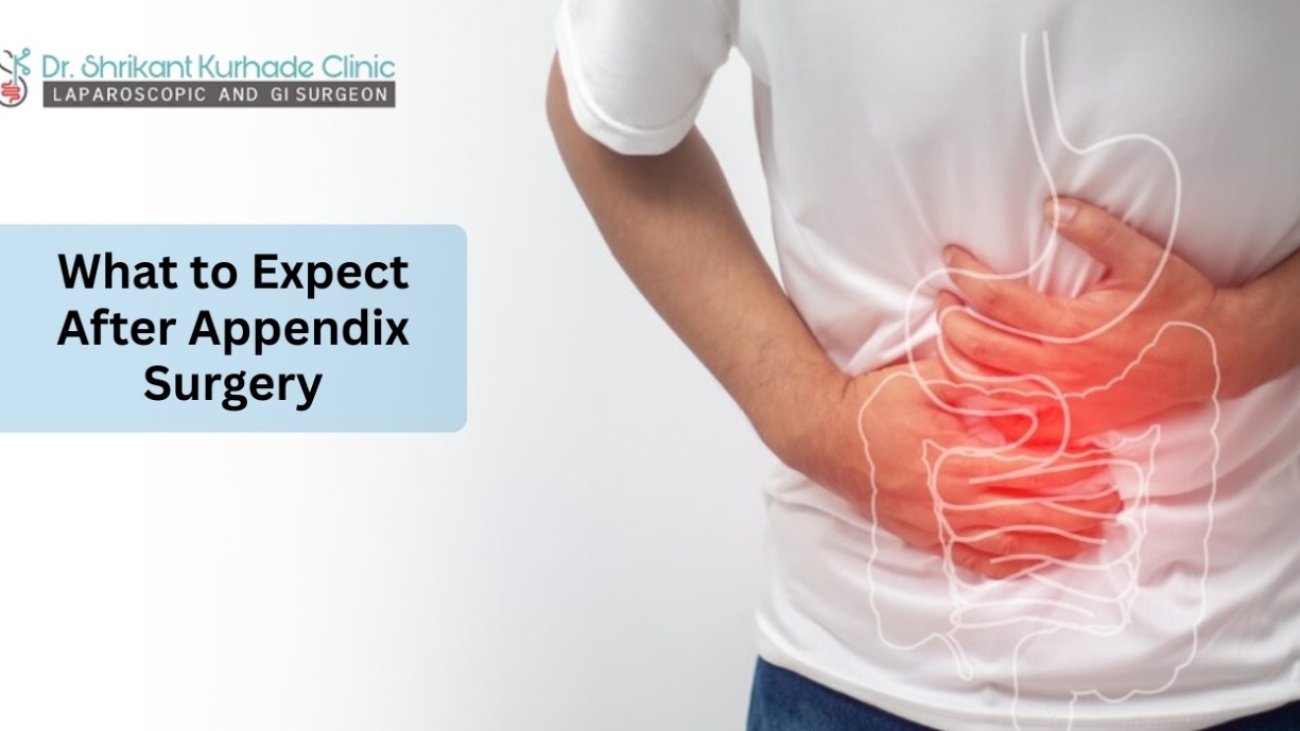
person feeling appendictis pain

Warning Signs of Appendicitis: What You Need to Know

Appendicitis is a common yet potentially serious condition that requires immediate medical attention. It occurs when the appendix, a small pouch attached to the large intestine, becomes inflamed — often showing early signs of appendix problems that should not be ignored. It may rupture if treatment is not received, leading to serious consequences like abscess formation or peritonitis (infection of the abdominal lining). Early signs of appendicitis symptoms can save lives. 

What Is the Appendix and Why Does It Get Inflamed? 

The appendix is a small, tube-shaped organ located in the lower right abdomen, believed to play a role in gut immunity, though its exact function remains unclear. Appendicitis usually develops when the appendix becomes blocked by stool, infection, or foreign objects, leading to bacterial growth and appendix inflammation signs such as pain and swelling.

Who Is at Risk? 

Appendicitis can affect anyone, but it is most common among people between the ages of 10 and 30. Some factors that may increase the risk include: 

  • Family history of appendicitis 
  • Gastrointestinal infections 
  • Blockage in the appendix 
  • Inflammatory bowel diseases 

Early Warning Signs of Appendicitis 

1. Pain in the abdomen, usually beginning close to the navel 

Usually, a dull pain near the belly button is the first sign. The pain gradually gets more intense and moves to the lower right side of the abdomen. One of the classic early symptoms of appendicitis is this migration of pain. 

2. Appetite Loss 

A subtle yet significant early warning sign is a sudden loss of appetite. This could be linked to appendicitis causes, often accompanied by other noticeable symptoms that shouldn’t be ignored.

3. Experiencing nausea and vomiting 

Abdominal pain is frequently followed by these symptoms. They are common in many abdominal conditions, including appendicitis, and are caused by irritation of the gastrointestinal tract. 

4. Chills and Fever 

Appendicitis may be accompanied by a low-grade fever (typically between 99°F and 100.5°F). A higher fever could be a sign of a widespread infection or ruptured appendix, both of which need to be treated right away. 

5. Abdominal Swelling 

A swollen or tender abdomen can be one of the key appendix inflammation symptoms, often caused by infection or irritation. Touching the area may lead to discomfort or even severe pain.

6. Modifications to Bowel Movements 

You might get diarrhea or constipation. A warning sign of abdominal distress, difficulty passing gas is sometimes reported by patients. 

7. Not Being Able to Pass Gas 

An obstruction or inflammation, both linked to appendicitis, may be the cause of your bloatedness and difficulty passing gas. 

8. Pain That Gets Worse When You Move 

The lower right abdominal pain may get worse when you walk, cough, or move suddenly. This is a classic sign of inflammation of the abdominal wall lining. 

Appendicitis in Children and Pregnant Women 

Pregnant women and children may show slightly different appendicitis signs and symptoms, making the condition more challenging to diagnose accurately.

Children may appear exhausted, irritable, or nauseous, as they often struggle to pinpoint discomfort — these can be subtle signs of appendix pain that shouldn’t be overlooked.

Because of the appendix’s shifting position during pregnancy, pregnant women may experience upper abdominal pain rather than lower right pain. 

Consult a healthcare professional right away if you or a loved one fits into any of these categories. Don’t disregard nebulous stomach symptoms. 

How Is Appendicitis Treated? 

An appendectomy, or surgical removal of the appendix, is the usual treatment for appendicitis. There are primarily two kinds: 

Laparoscopic Appendectomy: A minimally invasive surgery to remove the appendix that involves fewer incisions and allows for a shorter recovery period.

Open Appendectomy: Open appendicitis surgery might be necessary in cases of rupture or widespread infection. 

In rare instances, antibiotics may be used to treat appendicitis without surgery if it is mild and detected early. Surgery is still the most reliable and efficient course of treatment, though. 

Recovery and Aftercare 

Most patients experience a swift recovery after an appendectomy, especially when performed using laparoscopic techniques. Typical recommendations for a smoother appendectomy recovery time include:

  • After surgery, rest for a few days at least. 
  • Steers clear of heavy lifting. 
  • Start with a soft diet. 
  • Consume prescription drugs as directed. 
  • Keep your follow-up appointments. 

After surgery, get in touch with your doctor immediately if you experience fever, worsening pain, or discharge from the wound site. 

Conclusion 

Recognizing the warning signs of appendicitis early is crucial to prevent serious complications such as a ruptured appendix or widespread infection. Symptoms like abdominal pain (especially in the lower right side), fever, nausea, and loss of appetite should never be ignored. Timely diagnosis and treatment—usually through a simple appendectomy—can save lives and reduce recovery time. 

If you or a loved one is experiencing these symptoms, consult Dr. Shrikant Kurhade, an experienced General & Robotic Surgeon In Pune at KK Care Clinic, Charholi, Pimpri Chinchwad. With his expertise in managing acute abdominal conditions, you can be assured of accurate diagnosis and prompt surgical care. 

Don’t delay—your appendix won’t wait. Book your consultation with Dr. Shrikant Kurhade today for expert evaluation and  Appendicitis  treatment in Pune. 

WhatsApp Image 2025-07-17 at 3.50.01 PM

Symptoms of Severe Heartburn You Shouldn’t Ignore

Heartburn is a common occurrence for almost everyone. It is common to experience that burning sensation in the chest, usually following a large meal or lying down too soon after eating. However, what if it occurs too frequently, persists for too long, or presents with odd symptoms? That might be an indication of severe heartburn, which could point to a more serious problem that requires medical care. 

At KK Care Clinic, we think that treating the underlying cause is just as important as treating the symptoms. The symptoms of severe heartburn that you should not ignore, when to consult a doctor, and how professional care can provide relief and long-term solutions. 

What Is Heartburn? 

Acid reflux, a disorder in which stomach acid returns to the esophagus (the food pipe), is a symptom of  heartburn. It is typically brought on by overeating, lying down after meals, or specific foods and results in a burning sensation behind the breastbone. 

While occasional heartburn is common, if it occurs more than twice a week or is severe and ongoing, it may indicate GERD or another digestive condition that requires medical attention. 

Severe Heartburn Symptoms You Should Never Ignore

It’s critical to distinguish between symptoms that might point to a more serious problem and mild, sporadic heartburn. The following are indicators of severe heartburn: 

1. Regular Burning of the Chest 

GERD, or chronic acid reflux disease, may be indicated by a burning feeling in the chest that happens several times a week, particularly after meals or at night. 

2. Heart-attack-like chest pain 

Sharp chest pain from severe heartburn can resemble the signs of a heart attack. To rule out cardiac problems, get emergency care right away if chest pain radiates to the arm, jaw, or back or is accompanied by dyspnea. 

3. A lingering bitter or sour taste 

Even without eating, a persistent bitter or sour taste in the mouth or throat can be a sign of extreme acidity symptoms, often caused by acid reflux. This typically means that stomach acid has traveled up into the upper esophagus or even reached the oral cavity.

4. Dysphagia, or difficulty swallowing

Esophageal inflammation or narrowing, a potential consequence of untreated GERD, may be indicated by difficulty swallowing or a feeling that food is becoming stuck.

5. A persistent cough or sore throat

Frequent clearing of the throat or a persistent cough unrelated to a cold or respiratory infection could be signs of severe heartburn irritating the lining of the throat.

6. Changes in Voice or Hoarseness

Over time, hoarseness, voice fatigue, or even loss of voice can result from stomach acid irritating the vocal cords.

7. Feeling queasy or throwing up

Especially after meals, severe acid reflux can cause nausea. Vomiting sour liquids or undigested food may occur in certain situations.

8. Inexplicable Loss of Weight

Unintentional weight loss combined with intense heartburn symptoms may indicate a more serious gastrointestinal disease, such as esophageal cancer or ulcers. 

What Are the Causes of Extreme Heartburn?

Understanding the causes of severe acidity is crucial for preventing and managing extreme heartburn. Various lifestyle choices and health conditions can trigger or worsen this discomfort.

  • Overeating or eating large meals 
  • Spicy, fatty, or acidic foods 
  • Caffeine, alcohol, or smoking 
  • Lying down soon after eating 
  • Pregnancy (due to pressure on the stomach) 
  • Obesity or excess abdominal weight 
  • Hiatal hernia 
  • Certain medications (NSAIDs, blood pressure drugs) 

Expert Care with a Compassionate Approach 

Led by Dr. Shrikant Kurhade, the team at KK Care Clinic in Charholi, Pimpri Chinchwad, provides advanced gastrointestinal care with state-of-the-art diagnostics and evidence-based treatments, backed by the expertise of a leading  Robotic surgeon in Pune. From the first assessment to ongoing care, we guarantee that patients experience comfort, assistance, and an enhanced standard of living. 

Conclusion

Chest pain, difficulty swallowing, persistent cough, and unexplained weight loss are all signs of severe heartburn that you should not ignore. These red flags may indicate a major underlying problem that requires prompt medical attention. 

If you are experiencing severe or frequent heartburn, don’t wait to seek professional help. Schedule an appointment at KK Care Clinic today—our experienced staff, including an acidity specialist doctor, is dedicated to preserving your digestive health and providing long-lasting relief from heartburn.

WhatsApp Image 2025-07-17 at 4.07.47 PM

Understanding GERD: How It Affects Your Digestive Health

Understanding GERD: How It Affects Your Digestive Health is crucial. One of the most prevalent but frequently misdiagnosed digestive disorders is gastroesophageal reflux disease (GERD). You may be suffering from GERD if you have ever had frequent heartburn, a sour taste in your mouth, or discomfort after meals. To effectively manage symptoms and safeguard your long-term digestive health, it is essential to comprehend this condition. 

What is GERD? 

Gastroesophageal reflux disease is referred to as GERD. It happens when stomach acid regularly refluxes into the esophagus, which is the tube that connects your mouth and stomach. Your esophageal lining may become irritated by this acid reflux, which could result in a number of unpleasant symptoms. 

Common symptoms of GERD 

Typical GERD symptoms include chest pain, regurgitation (a sour or bitter taste in the mouth), and heartburn (a burning sensation in the chest). Other possible symptoms may include nausea, bloating, difficulty swallowing, and a chronic cough.

How GERD Affects Your Digestive Health 

GERD is more than just discomfort; if left untreated, it can eventually cause major problems.

1. Damage to the Esophagus

Esophagitis is an inflammation brought on by prolonged exposure to stomach acid. If left untreated, this can result in esophageal narrowing (strictures) or ulcers, which can make swallowing challenging.

2. The esophagus of Barrett

Barrett’s Esophagus, a disorder where the lining of the esophagus changes and raises the risk of esophageal cancer, can develop in some chronic cases of GERD.

3. Effect on Life Quality

GERD can cause eating anxiety, decrease appetite, and interfere with sleep. It may eventually have an impact on emotional health, energy levels, and nutrition. 

What Causes GERD? 

A weak lower esophageal sphincter (LES), which opens to allow food to enter the stomach and closes to keep it there, is the cause of GERD. Stomach acid can leak when the LES is weak or relaxes improperly.

What Triggers GERD:  

  • Being overweight 
  • Being pregnant 
  • Smoking 
  • Eating substantial meals or immediately afterward, lying down 
  • Eating foods that are acidic, fatty, or spicy 
  • Consuming carbonated drinks, coffee, or alcohol 

What foods to avoid with gerd:

  • High-fat and fried foods
  • Spicy foods
  • Acidic foods and drinks
  • Alcohol

When is GERD Surgery Needed?

1 Poor Response to Medication  

Surgery may provide long-term relief if you’ve tried several medications but are still experiencing frequent heartburn, regurgitation, or chest pain. Instead of only treating the symptoms, surgery can address the underlying cause.

2. Chronic Reliance on Medication 

Some patients are afraid of the side effects or the expense of using lifelong drugs like PPIs. A permanent solution that lessens or completely removes the need for daily medication may be surgery.

3. Complications from GERD  

If GERD has resulted in issues like:
-Esophagitis, or esophageal inflammation
-Narrowing of the esophagus
-Surgery for Barrett’s esophagus (pre-cancerous changes) may be advised to stop additional harm and lower the risk of cancer.
 

4. Hernia in the hiatus


A hiatal hernia occurs when a portion of the stomach protrudes. 

Common Surgical Options for GERD 

The Fundoplication

The most commonly performed surgery for GERD is robotic fundoplication surgery, in which the upper portion of the stomach (the fundus) is wrapped around the lower esophagus. This procedure strengthens the lower esophageal sphincter (LES), effectively preventing acid reflux and offering long-term heartburn relief. The robotic-assisted approach allows for greater precision, smaller incisions, and faster recovery compared to traditional methods.

LINX Device

A tiny ring of magnetic beads is positioned around the LES as a minimally invasive way to keep it closed while letting food pass through.

Repairing Hiatal Hernias

This procedure strengthens the diaphragm opening and corrects the hernia; it is frequently used in conjunction with fundoplication. 

Is GERD Surgery Safe and Effective? 

Yes. Anti-reflux surgeries like fundoplication have been performed for decades with excellent long-term results. Most patients experience significant symptom relief and improved quality of life. 

However, like any surgery, it carries risks such as: 

  • Difficulty swallowing 
  • Bloating or gas 
  • Surgical site infections (rare)
     

That’s why surgical options should be carefully evaluated by a gastroenterologist or GI surgeon in Pune  experienced in GERD management. 

Conclusion. 

GERD surgery  can be a safe and lasting solution for patients who continue to suffer from persistent acid reflux despite medication. At KK Care Clinic, a detailed surgical consultation with Dr. Shrikant Kurhade, a leading expert in Robotic Surgeon in Pune, can help determine the most effective treatment path tailored to your needs.

hernia during Pregnancy

Hernia During Pregnancy: Causes, Symptoms & Safe Treatments 

A woman’s body undergoes numerous changes during pregnancy, some of which are anticipated and some of which are unexpected. Pregnancy-related hernia development or worsening is one such unforeseen problem. Although they are not very common, hernias can worry expectant mothers, particularly when it comes to their unborn child’s safety and the available treatment options. 

We at KK Care Clinic are aware of the physical and psychological toll that a pregnancy hernia can take. To help you feel knowledgeable and in control of your pregnancy journey, this blog provides information on Hernia During Pregnancy & its causes, symptoms, and safe treatments. 

What Is a Hernia? 

When an internal organ or tissue pushes through a weak area in the surrounding muscle or connective tissue, it can cause a hernia. The expanding uterus during pregnancy puts additional strain on the abdominal wall, which may result in a hernia or exacerbate an existing one. 

Although there are several kinds of hernias, the following are the most typical ones that occur during pregnancy: 

  • umbilical hernia: An umbilical hernia during pregnancy appears as a soft or firm bulge around the belly button when abdominal tissues or organs push through a weakened area near the navel.
  • Inguinal hernia: The groin area is where an inguinal hernia appears. 
  • Incisional hernia: An incisional hernia may develop at the location of a prior surgical scar, such as from an appendectomy or C-section. 

What Causes of Hernia During Pregnancy 

  • Pregnancy-related hernias can develop for a number of reasons, including: 
  • Increased abdominal pressure: The abdominal wall is compressed by the growing uterus. 
  • Hormonal changes: Relaxing and other pregnancy hormones cause the connective tissues to relax, which raises the risk of herniation. 
  • Hernia risk may be increased by surgical scars or weak spots from prior abdominal surgeries. 
  • Multiple pregnancies: Women who have had multiple pregnancies may feel more pressure on their abdominal wall. 
  • Excessive weight gain: Putting too much weight on the abdomen or gaining weight quickly can put more strain on it. 
  • Constant coughing or constipation: Over time, repetitive strain can erode the abdominal wall. 

Symptoms of Hernia During Pregnancy 

While many hernias during pregnancy are discovered during routine prenatal checkups and are asymptomatic, pregnancy hernia symptoms can manifest when the hernia becomes more noticeable or bothersome—typically in the following ways:

  • An obvious protuberance in the groin or abdomen 
  • Pain or discomfort, particularly when lifting, coughing, or standing 
  • A sensation of weight or pressure in the abdomen 
  • Vomiting or nausea (rarely severe cases, such as strangulated hernias) 
  • Tenderness or redness surrounding the bulge 

If any of these symptoms occur, it’s critical to see a doctor, particularly if the hernia hurts or the bulge doesn’t go away when you lie down. 

Is Hernia Dangerous During Pregnancy? 

Most pregnancy hernias are benign and can be managed effectively with supportive care and careful monitoring. Laparoscopic hernia surgery is rarely required during pregnancy—most cases resolve without complications, and hernia surgery after pregnancy is typically scheduled postpartum or alongside a C‑section if needed.

To guarantee the safety of both mother and child, prompt diagnosis and observation by a trained gynecologist or surgeon are crucial. 

Diagnosis of Hernia During Pregnancy 

A physical examination is usually sufficient to diagnose a suspected hernia. To determine the extent and severity of the hernia, ultrasound imaging may be advised in certain situations. In order to minimize the risk to the infant during evaluation, our team at KK Care Clinic uses safe, non-invasive diagnostic tools. 

Safe Treatment Options During Pregnancy 

Treatment for a hernia during pregnancy depends on the type, severity, and presence of symptoms. Here are the options available: 

1. Vigilant Awaiting 

Doctors typically advise postponing surgery until after delivery if the hernia is minor and not causing any discomfort. Keeping an eye on the hernia during pregnancy guarantees that any changes can be treated right away. 

2. Changes in Lifestyle 

  • Steer clear of heavy lifting. 
  • Keep your posture in check. 
  • Control your weight gain 
  • Use a high-fiber diet to relieve constipation. 
  • If your doctor recommends it, wear maternity belts or binders. 

These adjustments can help reduce symptoms and prevent the hernia from worsening. 

3. Surgery (Only When Required) 

Most pregnancy hernias are harmless and effectively managed with supportive care and careful monitoring. Robotic Hernia Surgery is rarely required during pregnancy—most cases resolve without complications, with hernia surgery after pregnancy typically scheduled postpartum or alongside a C-section if needed.

Why Choose KK Care Clinic? 

For expectant mothers with hernias, we at KK Care Clinic in Charholi, Pimpri Chinchwad, provide compassionate, expert care. In close collaboration with gynecologists, renowned and skilled surgeon Dr. Shrikant Kurhade—the trusted Hernia-specialist in Pimpri Chinchwad—ensures safe monitoring, prompt intervention, and condition-specific postpartum treatment options tailored to each mother’s needs.

Conclusion 

Pregnancy-related hernias may seem concerning, but they can be safely managed with prompt diagnosis and appropriate care. Most cases of hernia pain during pregnancy are mild and resolve postpartum, and hernia surgery after pregnancy is seldom needed during gestation. The majority of cases can wait until after delivery and don’t require surgery while pregnant. If you have concerns or suspect a hernia, don’t hesitate to seek trustworthy guidance from the professionals Robotic Surgeon in Pune  at KK Care Clinic.

Abdominal incision planning for robotic or laparoscopic bariatric surgery

What You’ve Heard About Bariatric Surgery Might Be Wrong—Here’s Why 

Myths and misconceptions about bariatric surgery frequently obscure the facts. Some believe it’s only for people who have “given up” on conventional weight loss techniques, while others view it as a dangerous shortcut or purely cosmetic procedure. But for the following reasons, bariatric surgery myths may not reflect reality.

Patients at KK Care Clinic receive evidence-based treatment that considers their general health as well as their weight under the skilled supervision of Dr. Shrikant Kurhade. This guide will help you see past the myths and uncover the truth about weight loss surgery—particularly Bariatric Laparoscopic Surgery—if you’re thinking about bariatric surgery or simply want to know the facts.

What is Bariatric Surgery? 

A class of surgical procedures known as bariatric surgery is intended to assist people in losing weight when more conventional approaches, such as diet and exercise, have not worked. By altering the digestive system, these procedures can either decrease the size of the stomach, change how nutrients are absorbed, or both. The objective is to assist patients in eating less, feeling fuller more quickly, and improving or curing health issues associated with obesity. 

Common Myths About Bariatric Surgery—And the Truth Behind Them 

Myth 1: Bariatric Surgery Is a Cosmetic Operation 

Reality: Rather than being a cosmetic procedure, bariatric surgery is a life-saving medical procedure. 

The main objective of bariatric surgery is to treat obesity-related medical conditions like type 2 diabetes, high blood pressure, sleep apnea, joint pain, and heart disease, even though weight loss does cause some external changes. Significant improvements, or even total remission, in these chronic conditions are frequently experienced by patients who have bariatric surgery. 

Myth 2: The “Easy Way Out” 

Reality: Bariatric surgery requires a commitment to lifelong change and is not a simple fix. 

The idea that surgery is a simple way to lose weight is among the most harmful misconceptions. In actuality, bariatric surgery necessitates substantial mental preparation, lifestyle modifications following the procedure, and preparation. Patients must adhere to rigorous dietary restrictions, continue exercising, and have regular checkups with their doctor. 

Dr. Shrikant Kurhade, Expert Robotic Surgeon in Pune offers individualized support at KK Care Clinic to assist patients in forming healthier routines and maintaining them long after surgery. 

Myth 3: You’ll Later Regain All the Weight 

Reality: Most patients sustain significant weight loss over time. 

Although it is possible for some weight to be gained back, research indicates that most patients sustain at least 50–70 % of their excess weight loss over time, and that weight regain after bariatric surgery is usually modest; dietary adherence, lifestyle change, and ongoing monitoring are essential for success.

Patients at KK Care Clinic receive committed post-operative care from Dr. Shrikant Kurhade, along with continuing advice to help them stay well and prevent complications. 

Myth 4: Bariatric Surgery Is Dangerous 

Reality: bariatric procedures nowadays are minimally invasive and safe. 

Nowadays, most bariatric procedures are carried out with minimal incisions and brief hospital stays because of developments in laparoscopic techniques. The risk of bariatric surgery is actually similar to that of common procedures like knee replacement or gallbladder removal. 

To reduce risk and increase safety, Dr. Shrikant Kurhad, a top Bariatric Surgeon in Pimpri Chinchwad makes sure every patient has a comprehensive pre-operative evaluation. The health of the patients is always the priority at KK Care Clinic. 

Myth 5: The Cost of Bariatric Surgery Is High 

Reality: Bariatric surgery is a wise, long-term investment in your health. 

Even though the initial outlay might seem substantial, it frequently lowers the ongoing costs of treating diseases like diabetes and heart disease that are linked to obesity.

Benefits of bariatric surgery:

  • Sustainable weight loss
  • Lower blood pressure and cholesterol levels
  • Reduced joint pain & enhanced mobility
  • Lower cancer risk

Dr. Shrikant Kurhade makes treatment accessible and economical at KK Care Clinic by providing reasonable packages and advice on insurance and EMI options. 

Best Bariatric surgeon in Pune- Dr. Shrikant Kurhade 

One of Pune’s best bariatric surgeons, Dr. Shrikant Kurhade, is well known for his skill, kind demeanor, excellent surgical results, and expertise in Robotic Bariatric Surgery, combining cutting-edge precision with outstanding patient care.. Dr. Kurhade combines medical precision with a patient‑first approach, having years of experience performing advanced weight loss surgeries such as mini gastric bypass, gastric bypass, and sleeve gastrectomy, effectively dispelling common weight loss surgery myths. He provides thorough pre‑ and post‑operative care at KK Care Clinic, helping each patient reach a safe and long‑lasting weight loss goal. Numerous patients in Pune and beyond trust him for his dedication to enhancing lives via minimally invasive, evidence‑based bariatric solutions 

Conclusion

If you’re struggling with obesity and looking for a trusted, experienced expert to guide you toward a healthier future, Dr. Shrikant Kurhade at KK Care Clinic is the name you can rely on. As one of the best bariatric surgeons in Pune, he offers personalized, compassionate care backed by advanced surgical techniques and proven results. With Dr. Kurhade, you’re not just choosing a surgeon—you’re choosing a partner in your weight loss and wellness journey. 

Doctor explaining colon cancer basics

What is Colon Cancer: Breaking Down the Basics You Need to Know

What is Colon Cancer: Breaking Down the Basics You Need to Know 

What is colorectal cancer? It is one of the most common types of cancer worldwide, also known as colon cancer. This disease begins in the colon (large intestine) and, if not detected early, can spread to other parts of the body. Understanding the basics of colorectal cancer—including its symptoms, risk factors, prevention, and treatment—is essential for maintaining your health and taking proactive steps toward prevention.If you’re wondering how can you reduce the risk of colon cancer, the answer lies in early detection, lifestyle changes, and regular screenings.

At KK Care Clinic, we think that the first step to successful treatment and prevention is education. Let’s examine the essential information that everyone should be aware of regarding colon cancer. 

What is Colon Cancer? 

The lining of the colon (large intestine), the last segment of the digestive system, is where colon cancer begins. Usually, it starts as polyps, which are tiny, benign, noncancerous growths. Some of these polyps have the potential to develop into cancer over time. Colon cancer can spread to neighboring tissues and even distant organs if it is not discovered early, which complicates treatment. 

Because the disease can affect both the colon and the rectum (the final few inches of the large intestine), the term “colorectal cancer” is frequently used. 

What Causes Colon Cancer? 

Although the precise cause of colon cancer is not always known, the following risk factors make it more likely to occur: 

Age: People over 50 account for the majority of cases. 

Family History: Risk is increased by a family history of colon cancer or specific genetic disorders (such as familial adenomatous polyposis). 

Diet: A diet that is low in fiber and heavy in processed foods and red meat may be a factor. 

Lifestyle Factors: Obesity, smoking, excessive alcohol consumption, and a lack of physical activity are all associated with increased risk. 

• Medical History: The risk is increased if there is a personal history of polyps, inflammatory bowel disease (such as Crohn’s disease or ulcerative colitis), or type 2 diabetes. 

You can reduce your risk by making wise lifestyle decisions if you are aware of these risk factors. Dealing with colon issues? Get advanced care with colon cancer for quicker recovery and precision. Consult the best robotic surgeon in Pune, Dr. Shrikant Kurhade, for expert treatment that’s one step ahead.

Symptoms of Colon Cancer 

In its early stages, colon cancer can progress quietly, often without any clear symptoms—making regular screening essential. However, as the condition advances, you may start to wonder, what are the signs of colon cancer? Common symptoms can include:

• Modifications to bowel habits (constipation, diarrhea, or constipation) 

• Bright red or dark blood in the stool 

• Constant pain, gas, or cramping in the abdomen 

• Unexplained weight loss  

• Weakness or fatigue  

• A sensation that the bowel doesn’t empty entirely 

It’s critical to get evaluated by a physician right away if you observe any of these symptoms. 

How is Colon Cancer Diagnosed? 

Colon cancer can be diagnosed using a number of tests: 

  • Colonoscopy: Colonoscopy is considered the most reliable method for detecting polyps and diagnosing colon cancer. If you’re wondering what is mean by colonoscopy, it’s a medical procedure in which a doctor uses a long, flexible tube with a camera to examine the inside of your colon and rectum.
  • Stool tests: To find alterations in DNA or blood. 
  • CT colonography: A specialized imaging test used to view the colon is called CT colonography. 
  • Biopsy: To confirm cancer, a biopsy is performed if suspicious tissue is discovered during a colonoscopy

Regular screening can either detect cancer at an early, more treatable stage or stop polyps from developing into cancer. Get expert care with robotic colon surgery in Pune at KKcare Clinic. Trust Dr. Shrikant Kurhade for advanced colon treatment that’s precise and minimally invasive.

Stages of Colon Cancer 

To stage colon cancer, medical professionals use the American Joint Committee on Cancer’s TNM cancer staging system. 

Colon cancer progresses through five stages. There are three sub-stages within three of the four stages. The following are some of the stages of colon cancer: 

Stage 0: This carcinoma may be referred to as in situ by doctors. They are referring to aberrant or possibly malignant cells in your mucosa, which is the inner lining of your colon wall. 

Stage I: In stage I colorectal cancer, the intestinal wall has been penetrated, but not past the muscular coat or into adjacent lymph nodes. 

Stage II: The cancer has spread farther into the colon wall, but it hasn’t reached any lymph nodes in the area. Three types of Stage II colon cancer exist: 

Stage IIA: Although it hasn’t spread to the outer layer of your colon wall, cancer has spread through a large portion of it. 

Stage IIB: The cancer has spread through the colon wall or into its outer layer. 

Stage IIC: An adjacent organ has been affected by the cancer. 

Stage III: Your lymph nodes are now affected by colon cancer. Similar to Stage II colon cancer, Stage III colon cancer has three substages: 

Stage IIIA: One to four lymph nodes have been affected by cancer that has spread to the first or second layers of your colon wall. 

Stage IIIB: Only one to three lymph nodes are affected, but more layers of the colon wall are affected. Stage IIIB colon cancer also includes cancer that affects four or more lymph nodes but involves fewer layers of the colon wall. 

Stage IIIC: Four or more lymph nodes and the outer or next-to-the-outer layer of your colon are cancerous. Stage IIIC colon cancer also includes cancer that has spread to one or more lymph nodes and a neighboring organ. 

Stage IV: Your cancer has metastasized, or spread, to other organs such as your ovaries, liver, or lungs: 

Stage IVA: Your colon’s cancer has spread to another organ or farther-flung lymph nodes. 

Stage IVB: More than one distant organ and more lymph nodes have been affected by the cancer. 

Stage IVC: Abdominal tissue, lymph nodes, and distant organs are all affected by cancer. 

Preventing Colon Cancer 

Although certain risk factors like age and family history cannot be changed, there are several effective lifestyle changes you can adopt as part of your plan for how to prevent colon cancer:

Steer clear of tobacco: Discuss smoking cessation programs with a healthcare professional if you smoke and would like assistance quitting. 

• When consuming alcoholic beverages, use moderation. 

Consume a nutritious diet: Understanding what to eat to prevent colon cancer such as fiber-rich fruits, vegetables, whole grains, and legumes—can significantly support colon health and reduce long-term risk.

Include more vegetables in your diet: and limit processed foods, high-fat, high-calorie foods, and red meat. Coffee consumption may reduce your risk of colon cancer. 

• Document your family’s medical history: It is possible for colon cancer to run in families. Inform your doctor if any members of your family had cancer before the age of 45, or if your children, siblings, or biological parents have advanced polyps or colon cancer. 

• Comply with colon cancer screening recommendations: For effective colon cancer prevention, consult your doctor to determine the right time to begin screening. If you have a family history of colon cancer or conditions like chronic irritable bowel disease, your doctor may recommend starting screenings before the age of 45 to catch any issues early. 

Conclusion 

Although colon cancer is largely preventable, it continues to be a significant health concern. Gaining awareness of its causes, symptoms, and treatment options is the first step toward prevention. One of the most effective strategies for how to keep colon healthy is adopting a nutritious, fiber-rich diet filled with fruits, vegetables, and whole grains, which also supports overall digestive wellness.

Do not hesitate to speak with Dr. Shrikant Kurhade, an expert colon cancer surgeon in Pune at KK Care Clinic if you require screening or have any concerns. Our staff is committed to providing you with individualized care and knowledgeable direction to help you maintain your health. 

Keep in mind that life is saved by early detection. Keep yourself informed, take preventative action, and safeguard your health! 

showing symptoms of constipation

 How to Ease Constipation: Effective Relief Tips

How to Ease Constipation: Simple and Effective Tips 

Constipation is a widespread digestive problem that can affect anyone, regardless of age. It happens when bowel movements become infrequent or difficult, often resulting in bloating, abdominal discomfort, and a general sense of unease. While it’s common to experience occasional constipation, chronic constipation can disrupt your daily routine and lower your quality of life.The good news is that it’s entirely possible to manage it without medications. If you’re wondering how to ease constipation fast, there are several simple, natural, and effective strategies you can follow to get relief and improve your gut health.This guide covers the causes of constipation, common symptoms, and effective remedies to help you feel better naturally.

What Causes Constipation? 

Constipation can be caused by a variety of factors, including: 

Low-fiber diet: Fiber helps make poop easier to pass. 

Dehydration: Not drinking enough can make poop hard to move. 

• Lack of physical activity: Moving your body helps your gut work better. 

• Ignoring the urge to go: Holding it in can make you backed up. 

• Certain medications: Pain meds, antidepressants, and iron pills can slow down your gut. 

• Stress: Being stressed out can mess with how your stomach works. 

• Medical conditions: Things like IBS, diabetes, or a slow thyroid can make you constipated. 

To fix the problem, you need to know what’s causing it. 

Symptoms of Constipation 

Recognizing the symptoms of constipation helps you take action before it worsens. Common symptoms include: 

  • Infrequent bowel movements (less than three times a week) 
  • Hard, dry, or lumpy stools 
  • Straining during bowel movements 
  • A feeling of incomplete evacuation 
  • Bloating or abdominal discomfort 
  • Loss of appetite 

If these symptoms persist or worsen, it’s important to consult a doctor. 

How to Ease Constipation Naturally 

Below are some practical and natural ways to ease constipation that are proven to support a healthy and well-functioning digestive system:

1. Eat a High-Fiber Diet 

Fiber adds bulk to your stool, making it softer and easier to pass. One of the most effective things to eat to ease constipation includes a variety of fiber-rich foods such as fruits, vegetables, whole grains, legumes, nuts, and seeds. Here are some excellent high-fiber options to include in your diet:

  • Apples, pears, and berries (with skin) 
  • Leafy greens like spinach and kale 
  • Beans, lentils, and chickpeas 
  • Whole wheat bread, oats, and brown rice 
  • Nuts and seeds like flaxseeds and chia seeds 

Aim for at least 25 to 30 grams of fiber per day. 

2. Stay Hydrated 

Staying hydrated is essential for how to ease bowel movement and prevent constipation. Aim to drink at least eight glasses of water daily to help soften stools and promote regularity. You can also include warm water with lemon or soothing herbal teas in your routine. Be mindful of limiting alcohol and caffeine, as they can lead to dehydration and make bowel movements more difficult.

3. Exercise Regularly 

Physical activity helps stimulate the muscles in your digestive tract, making it easier for stool to move smoothly through the colon. To support constipation relief, aim for at least 30 minutes of moderate exercise most days of the week. Activities like walking, jogging, yoga, and stretching can all contribute to better digestion and regular bowel movements.

4. Don’t Ignore the Urge 

Act promptly when you feel the urge to have a bowel movement—holding it in can make stools harder and more difficult to pass. One important step in how to relieve constipation is to train your body by setting a regular bathroom schedule, preferably after meals. Creating this routine helps support consistent and comfortable bowel movements over time.

5. Try Natural Remedies 

Effective natural remedies for constipation include:

  • Prunes or prune juice: Rich in fiber and natural laxatives. 
  • Aloe vera juice: May help soothe the digestive tract. 
  • Warm liquids: Warm water or herbal teas can stimulate digestion. 
  • Psyllium husk: A natural fiber supplement that promotes regularity. 

Always consult your doctor before trying any new supplement. 

6. Manage Stress 

Stress and anxiety can negatively affect your digestive system, often leading to discomfort. To support constipation and bloating relief, try incorporating stress-reducing activities into your routine such as yoga, meditation, deep breathing exercises, or spending time in nature. These calming practices can help relax your body and promote better gut health.

7. Consider Over-the-Counter Options 

If changes in diet and lifestyle aren’t enough, over-the-counter (OTC) remedies like stool softeners or mild laxatives can offer relief. When considering how to ease constipation pain, these treatments may help reduce discomfort and make bowel movements easier. However, they should be used cautiously and only under the guidance of a healthcare provider to avoid dependency or side effects.

When to See a Doctor 

While occasional constipation is common, you should seek medical attention if you experience: 

  • Severe pain or bloating 
  • Blood in stools 
  • Unexplained weight loss 
  • Constipation lasting more than two weeks 
  • Sudden changes in bowel habits 

At KK Care Clinic, Dr. Shrikant Kurhade and our skilled team specialize in identifying the root cause of your digestive issues. We offer personalized and effective Constipation Treatment in PCMC, tailored to your specific needs to help you find long-term relief and improve your gut health.

Conclusion 

You don’t have to deal with constipation long-term—even after a procedure. If you’re wondering how to ease constipation after surgery, focus on gentle natural remedies, eat a fiber-rich diet, stay well-hydrated, and engage in light physical activity as advised by your doctor. These steps can help restore regular bowel movements and support your overall digestive health during recovery.

If your symptoms continue or become more severe, it may be time to seek professional Constipation Treatment in Pune. Consult Dr. Shrikant Kurhade at KK Care Clinic for expert diagnosis and a personalized treatment plan tailored to your needs.

Man experiencing discomfort from piles while sitting

 Understanding the Different Types of Piles

Understanding the Different Types of Piles

Piles, otherwise known as hemorrhoids, are swollen and irritated veins located in the rectum and anus. They result in pain, discomfort, and bleeding. They are a common health problem that can affect people of all ages, but are more commonly seen in adults. It is important to understand the different types of piles as that will help with the management and treatment of piles. Let’s learn about what piles are, the types of piles, their causes, symptoms, and treatments so you can be aware and be able to manage your piles, should you experience them.

What Are Piles?

Piles are basically swollen blood vessels in the lower rectal or anal area. They are formed from increased pressure in these veins, usually caused by straining while having a bowel movement, chronic constipation, pregnancy, obesity or a lack of exercise. Piles are usually not dangerous, but discomfort may cause a significant reduction in your quality of life.

what are the different types of piles

Piles are classified into several types according to their Condition and severity of piles which are typically categorized as internal, external, or mixed piles. Although they are not usually life threatening, piles can be very uncomfortable and affect quality of life.

1. Internal Piles

Piles that develop within the rectum are internally developing piles; often they are not seen or felt. Generally they do not cause pain; however, they will bleed when visiting the toilet. Internal piles are also classified into four grades based on severity:

Grade 1: Small internal piles that cannot be seen outside the anus but are inflamed inside the rectum lining.

Grade 2: Larger than Grade 1, these piles may protrude on passing stools but regress when finished.

Grade 3: These piles prolapse outside the anus; however, will require physically pushing them back below inside.

Grade 4: Large piles that hang outside the anus permanently and cannot be pushed back or above.

2. External Piles

External piles form under the skin external to the anus. They typically cause more discomfort than internal piles and yield considerable pain. Symptoms include itching, swelling and bleeding. External piles may also develop a blood clot (thrombosed pile), which causes significant pain and swelling.

3. Mixed Piles

Mixed piles have both internal and external piles simultaneously. Mixed piles may be less simple to treat as they embody both forms of symptoms. Mixed piles can cause severe pain, bleeding, and uncomfortable difficulties with stool passage.

Causes of Piles

A variety of factors contribute to the development of piles, including:

Chronic constipation or diarrhea: Straining during bowel movements increases strain on rectal veins.

Pregnancy: The expanding uterus will place pressure on the pelvic veins.

Obesity: Excess weight may relatively increase pressure on the rectal veins.

Sedentary lifestyle: A sedentary lifestyle leads to slower bowel movements and may contribute to piles.

Low-fibre diet: Eating a low-fibre diet leads to hard stools, and straining to produce a bowel motion.

Older age: The tissue that supports veins in the rectum and anus may weaken with age.

Symptoms of Piles

The symptoms associated with piles may include soft stools, diarrhea, and blood or mucus discharge. Some common symptoms include:

• bright red blood, with or without stool;

• itching and irritation;

• anal pain or discomfort, especially sitting;

• anal swelling, tenderness or lump near anus;

• mucus with bowel movement discharge; and

• sensation of incomplete evacuation.

Treatment Options

The best treatment for piles depends on the type and severity of piles.

Home Remedies and Lifestyle Changes

Increase fiber intake: Eat more fruits and vegetables, and whole grains to soften stools.

Stay hydrated: Drink plenty of water to avoid constipation.

Avoid straining: Go to the toilet when urge hits you and sit for less time on the toilet.

Exercise: This can help with bowel function and helps with digestion.

Warm sitz baths: Soaking in warm water can help relieve itching and pain.

Medications

Topical creams or ointments: These can help manage the discomfort and irritation.

Pain killers: Over-the-counter medications such as paracetamol and ibuprofen are effective pain relievers.

Stool softeners: Softening the stool can help to make bowel movements easier and less painful. 

Minimally Invasive Procedures

If you have grade II or III internal piles, the next step is to consider minimally invasive procedures.

Rubber band ligation: Involves placing a rubber band around the base of the pile. This restricts blood flow, and over the next few days, the pile will shrink, and eventually fall off. 

Sclerotherapy: A chemical solution will be injected in order for the pile to shrink.

Infrared coagulation: Using a laser or infrared light, heat will be applied to the pile in order to shrink it down.

Surgery

If you have grade IV piles or if other treatments have been unsuccessful, surgical options such as hemorrhoidectomy (surgical removal of piles) or stapled hemorrhoidopexy will be considered as the best treatment for piles surgery

Conclusion

Knowing the different types of piles is important for early identification and management. Whether your piles are internal or external, identifying your symptoms and when to get help can make all the difference. You can also consult a piles doctor in Pimpri Chinchwad if you’re seeking expert evaluation nearby

Dr. Shrikant Kurhade and the team at KK Care Clinic provide assessment and individualized care management plans tailored to help you manage your piles.

Don’t let piles impact your daily living – reach out to our healthcare professionals today and take the first steps into your relief!

WhatsApp Image 2025-06-04 at 6.08.57 PM

How to Manage Acidity

How to Manage Acidity: Effective Ways to Find Lasting Relief

Acidity also known as gastroesophageal reflux disease (GERD)—causes that burning chest sensation called heartburn when stomach acid travels back into the esophagus. Learning how to manage acidity is key: while medications can help, many people prefer acidity relief tips that are natural, simple, and effective over the long term. The following expert-backed strategies offer real solutions that work both immediately and sustainably.

Understanding Acidity

Acidity develops when the lower esophageal sphincter (LES), a muscle wall between the esophagus and the stomach, becomes weak or inappropriately relaxed, allowing acid from the stomach to flow back upward. The following things commonly trigger acidity:

  • Overeating
  • Consuming spicy or fatty foods
  • Drinking coffee or carbonated beverages
  • Smoking
  • Stress
  • Eating just before bedtime

Knowing the triggers can help you make conscious choices to manage acidity better.

Common acidity symptoms include:

Heartburn: A feeling of warmth in the chest which frequently occurs after meals or while lying down.

Regurgitation: A sour or bitter taste in the mouth as a result of acid coming from the stomach.

Difficulty Swallowing: A sensation of food being lodged in the throat.

Chest pain: Discomfort or pain in the chest.

Coughing or Wheezing: A persistent cough or wheeze as a result of inhalation of acid into the airways and causing irritation.

Sore throat: Irritation or inflammation in the throat due to acid.

Several factors can increase the risk of acidity, including:

Obesity: Excess weight can put pressure on the stomach and LES.

Pregnancy: Hormonal changes and increased abdominal pressure can contribute to acidity.

Smoking: Smoking weakens the LES and increases acid production.

Diet: Consuming spicy foods, caffeine, chocolate, and alcohol can trigger symptoms.

Medications: Certain medications can relax the LES or irritate the esophagus.

Understanding these helps you prevent acidity before it starts.

Dietary Tips to Manage Acidity

1. Eat Smaller, More Frequent Meals
Instead of eating three big meals, try eating 5 – 6 smaller meals spaced throughout the day. This relieves pressure on the stomach and helps manage Acidity.

2. Avoid Trigger Foods
Allergies to acidity can come from different foods. Figure out which ones trigger your acidity. These can often include fried and oily foods, citrus fruits, tomatoes, onions, garlic, chocolate, coffee and carbonated beverages.

3. Add Alkaline Foods
Incorporate more foods in your diet that help to neutralize stomach acid. Bananas, melons, oatmeal, green leafy vegetables, and yogurt.

4. Stay Hydrated
Stay well-hydrated to support stomach acid control, as water dilutes excess acid and aids digestion for smoother, more balanced gut function.

5. Chew Food
Well Chewing food helps produce more saliva which helps neutralize stomach acid and get the food ready for digestion.

You can find many effective home remedies for acidity like ginger tea, cold milk, and fennel seeds to ease symptoms as they arise.

Lifestyle Modifications to Prevent Acidity

1. Keep Your Weight in Check
Carrying extra weight can put pressure on the stomach and cause acidity. Luckily, losing weight is relatively easy if you exercise regularly and eat a balanced diet.

2. Don’t Lie Down Right Away After Eating
Try to wait at least 2-3 hours after eating before lying down or going to bed to allow your stomach to fully empty and reduce acidity.

3. Use Extra Pillows or Raise the Head of your Bed
When you sleep with your head elevated 6-8 inches, it helps keep acid from going back into your esophagus while you sleep.

4. Quit Smoking and Limit Alcohol
  Smoking and alcohol can also weaken the lower esophageal sphincter (LES), which makes you more sensitive and susceptible to acidity.

5. Relax Stress
can also aggravate acidity symptoms, so it is essential to learn to reduce stress and practice techniques to help you unwind, such as deep breathing, yoga, or meditation.

When to Seek Medical Help

Though lifestyle tweaks or home remedies can help you control acidity temporarily, it’s time to see your doctor if:

Heartburn is frequent or severe.

• You have trouble swallowing.

• You have unexplained loss of weight.

• You continue to have symptoms despite a better diet and lifestyle.

Persistent acid reflux can lead to complications like esophagitis, ulcers, and Barrett’s esophagus, which may be precancerous. Learning how to manage reflux effectively is essential to prevent these risks.

Conclusion

Controlling acidity is all about choices: food choices and lifestyle choices. Choosing smaller meals that are balanced, knowing your triggers and avoiding them, keeping a healthy weight, and using relaxation techniques. You can anticipate and manage acidity. Dr. Shrikant Kurhade and His dedicated team at KK Care Clinic works alongside an experienced acidity specialist doctor, providing tailored treatment plans and advanced care to help you manage acidity and improve digestive well-being. If you’re located nearby, you can also consult an acidity specialist doctor in Pimpri Chinchwad for expert care and personalized treatment.

Our services include diagnosis, personalized care plans, and advanced procedures—especially Robotic Nissen fundoplication surgery, a minimally invasive option for suitable GERD patients. Take control of acidity today – don’t let it take away your life – use any combination of these simple and progressive expert tips!

WhatsApp Image 2025-05-28 at 5.53.59 PM (1)

What is Appendicitis? Causes, Symptoms, and When to See a Doctor

Appendicitis is a medical condition that demands urgent attention. It occurs when the appendix, a small finger-shaped pouch attached to the large intestine, becomes inflamed or infected. Though its exact purpose remains unclear, an inflamed appendix can quickly become life-threatening if left untreated. At KK Care Clinic, under the expert guidance of Dr. Shrikant Kurhade, we specialize in the timely diagnosis and surgical treatment of appendicitis to ensure safe and swift recovery for our patients.

What is Appendicitis?


The appendix is a small organ located in the lower right abdomen. Though once thought to be a vestigial organ, recent studies suggest it may play a role in gut immunity. However, when it becomes blocked or infected, the result is appendicitis—a condition that can escalate rapidly and requires prompt medical intervention.

Appendicitis can affect individuals of any age but is most commonly seen in people between the ages of 10 and 30. The standard treatment for appendicitis is an Appendectomy, a surgical procedure to remove the appendix, which is routinely performed at KK Care Clinic with minimal risk and excellent outcomes.

Causes of Appendicitis

Appendicitis typically results from a blockage in the lining of the appendix, leading to infection. This blockage can be caused by various factors, including:

  • Fecal impaction (hardened stool)
  • Enlarged lymphoid follicles
  • Worms or parasites
  • Tumors
  • Trauma to the abdomen
  • Inflammatory bowel diseases (IBD)

The blockage allows bacteria to multiply rapidly, causing the appendix to become swollen, filled with pus, and inflamed. If not treated in time, the appendix can rupture, leading to a dangerous spread of infection in the abdomen (peritonitis).

Symptoms of Appendicitis


The symptoms of appendicitis can vary, but the most common sign is pain in the lower right abdomen. Here are the key symptoms to watch for:

  • Abdominal Pain: Typically starts around the navel and shifts to the lower right abdomen.
  • Loss of Appetite: A sudden aversion to food is a frequent early symptom.
  • Nausea and Vomiting: Often accompanies the onset of abdominal pain.
  • Fever – Low-grade fever that may worsen as the condition progresses.
  • Bloating and Indigestion – Abdominal swelling or a feeling of fullness can occur.
  • Difficulty Passing Gas or Bowel Movements – Constipation or, in some cases, diarrhoea may develop.
  • Rebound Tenderness – Pain that worsens when pressure is released after pushing on the abdomen.

If you or a loved one experiences these symptoms, especially abdominal pain that intensifies quickly, seek immediate medical attention at KK Care Clinic.

When to See a Doctor


Appendicitis is a medical emergency. Delaying treatment increases the risk of a ruptured appendix, which can lead to serious complications such as peritonitis or sepsis, both of which can be life-threatening.

You should see a doctor right away if:

  • You experience sharp or worsening abdominal pain, especially on the right side
  • The pain is accompanied by vomiting, fever, or bloating
  • You notice a sudden loss of appetite or severe digestive discomfort
  • Over-the-counter pain relief does not ease the symptoms

Dr. Shrikant Kurhade, a trusted gastrointestinal surgeon at KK Care Clinic, emphasizes that “timely diagnosis and surgical treatment can prevent serious complications and ensure a smooth recovery.”

Treatment Options at KKCare Clinic

1. Appendectomy (Surgical Removal):

Appendicitis surgery, known as an appendectomy, is the most common and effective treatment for appendicitis. There are two main types of appendicitis surgery:

  • Laparoscopic (minimally invasive) surgery – preferred for quicker recovery and minimal scarring
  • Open surgery – used if the appendix has ruptured or complications are expected

2. Antibiotics:

In some mild cases, appendicitis treatment without surgery is possible using antibiotics. This approach can be effective for uncomplicated appendicitis, but surgery is usually recommended to prevent recurrence.

At KK Care Clinic, our advanced operation theatre, post-operative care, and experienced surgical team led by Dr. Shrikant Kurhade ensure patient safety, comfort, and a fast recovery.

Why Choose KK Care Clinic?

Choosing the right healthcare facility can make a significant difference in treatment outcomes. KK Care Clinic, led by Dr. Shrikant Kurhade, is committed to delivering prompt, precise, and patient-focused surgical care.

What sets us apart:

  • Highly experienced surgeon specializing in gastrointestinal and laparoscopic surgeries
  • Modern, fully equipped surgical suites
  • Personalized care and counseling before and after surgery
  • Minimal wait times and rapid diagnosis
  • Affordable treatment options and ethical care

Conclusion

Appendicitis is not a condition to take lightly. Swift diagnosis and treatment are key to preventing severe complications. By understanding the causes, symptoms, and when to see a doctor, you empower yourself to act quickly and wisely.

If you suspect appendicitis or are experiencing unexplained abdominal pain, don’t wait. Visit KK Care Clinic and consult Dr. Shrikant Kurhade for expert diagnosis and timely treatment. Your health is too important to delay—early action can save your life.