untreated polonidal sinus

Why You Should Not Leave Pilonidal Sinus Untreated?

A pilonidal sinus may seem like a minor skin issue at first, but leaving pilonidal sinus untreated can lead to serious discomfort and long-term health problems. This condition usually develops near the tailbone, at the top of the buttocks, and often starts as a small pit or swelling.

Many people ignore the early symptoms due to embarrassment or the belief that it will heal on its own. Unfortunately, an untreated pilonidal sinus rarely resolves without proper medical care. Delaying treatment increases the risk of infection, pain, and repeated flare-ups. Understanding why timely treatment is essential can help prevent unnecessary suffering and long-term complications.

What Is a Pilonidal Sinus?

A pilonidal sinus is an abnormal tunnel or cavity in the skin that often contains hair, debris, and bacteria. It commonly affects young adults, especially those who sit for long hours, have excessive body hair, or experience repeated friction in the tailbone area. Men are more commonly affected than women.

In its early stage, it may cause mild discomfort or redness. Over time, leaving pilonidal sinus untreated can allow the sinus to become infected, forming a painful abscess filled with pus.

Early Symptoms That Should Not Be Ignored

Many people delay treatment because symptoms start mildly. However, even early warning signs indicate that medical attention is needed, as they may worsen if the condition is ignored.

Common symptoms include:

  • Pain or tenderness near the tailbone
  • Swelling or redness in the cleft between the buttocks
  • Discharge of pus or blood
  • Foul-smelling drainage
  • Fever in advanced infection

Ignoring these symptoms allows the condition to worsen and increases the risk of complications of untreated pilonidal sinus.

Risks of Leaving Pilonidal Sinus Untreated

Leaving pilonidal sinus untreated can lead to several health problems that significantly affect daily life and overall well-being.

1. Recurrent Infections

An untreated pilonidal sinus repeatedly traps hair and bacteria, leading to frequent infections. Each episode often becomes more painful and harder to manage.

2. Abscess Formation

One of the most common complications of untreated pilonidal sinus is the development of a painful abscess. This can cause severe discomfort while sitting, walking, or sleeping and may require emergency drainage.

3. Chronic Pilonidal Disease

Over time, leaving pilonidal sinus untreated can result in chronic pilonidal disease, where multiple sinus tracts form under the skin. Chronic cases are more difficult to treat and usually require surgical intervention.

4. Increased Pain and Discomfort

As infection spreads, pain intensifies and may interfere with work, travel, and daily activities. Sitting for long hours becomes extremely uncomfortable.

5. Risk of Systemic Infection

In rare cases, severe infection from an untreated pilonidal sinus can spread to surrounding tissues or enter the bloodstream, leading to serious complications that require hospitalization.

Why Home Remedies Are Not Enough

Some patients attempt to manage pilonidal sinus with home remedies such as warm compresses, antibiotics without drainage, or herbal treatments. While these may offer temporary relief, they do not remove the sinus tract or address the root cause. As a result, leaving pilonidal sinus untreated often leads to repeated infections and worsening symptoms.

Medical evaluation is essential to prevent further complications of untreated pilonidal sinus.

Treatment Options for Pilonidal Sinus

Treatment depends on the severity and stage of the condition. For patients seeking Pilonidal Sinus Treatment in Pimpri Chinchwad, both non-surgical and surgical options are available based on individual needs.

Non-surgical management may be helpful in very early cases and includes:

  • Antibiotics for infection control
  • Proper hygiene and regular hair removal
  • Effective pain management

Surgical treatment is often recommended for chronic or recurrent cases caused by an untreated pilonidal sinus. Advanced, minimally invasive procedures used for Pilonidal Sinus Treatment in Pimpri Chinchwad help remove the sinus completely, ensuring minimal discomfort, reduced risk of recurrence, and faster recovery.

Benefits of Early Treatment

Seeking early medical care offers several advantages:

  • Faster recovery
  • Less pain and discomfort
  • Lower risk of recurrence
  • Shorter treatment duration
  • Improved quality of life

Early treatment significantly reduces the risk of long-term complications of untreated pilonidal sinus and minimizes the need for extensive surgery.

Who Is at Higher Risk?

You may be at higher risk of developing pilonidal sinus if you:

  • Sit for long hours (drivers, office workers)
  • Have excessive body hair
  • Experience repeated friction or sweating
  • Are overweight
  • Have a family history of pilonidal disease

Being aware of these risk factors helps in early detection and avoids leaving pilonidal sinus untreated.

When Should You See a Doctor?

You should consult a doctor if you notice:

  • Persistent pain near the tailbone
  • Recurrent swelling or discharge
  • Fever or increasing redness
  • Difficulty sitting or walking

Delaying medical consultation increases the chances of complications of untreated pilonidal sinus and prolongs recovery.

Expert Care Makes a Difference

Timely and proper medical care plays a crucial role in preventing complications associated with pilonidal sinus. Ignoring the condition or delaying treatment can lead to recurring infections, prolonged discomfort, and a more complex recovery process. Under the expert care of Dr. Shrikant Kurhade, a trusted Pilonidal Sinus Specialist in Pune, patients receive comprehensive treatment focused on long-term healing and prevention of recurrence.

Under the expert care of Dr. Shrikant Kurhade, a highly experienced Robotic Surgeon in Pune, patients at KK Care Clinic receive compassionate, evidence-based care focused on delivering the best treatment for pilonidal sinus, tailored to each individual condition. With timely medical intervention and proper guidance, patients can prevent complications, achieve complete healing, and return to a healthier, pain-free life with confidence.

complications of obesity

Obesity Complications: When Weight-Loss Surgery Becomes Essential

Obesity is not just a lifestyle concern or a matter of appearance—it is a serious medical condition with wide-ranging effects on overall health. As body weight increases, so does the risk of developing multiple complications of obesity that can affect nearly every organ system. Many people underestimate how deeply obesity can impact internal health until chronic conditions begin to appear.

While diet modification, exercise, and medical management are always the first line of treatment, there are situations where these methods are no longer enough. Understanding when weight-loss surgery becomes essential can help prevent long-term damage and life-threatening outcomes.

At KK Care Clinic, patients receive comprehensive obesity care under the guidance of experienced specialists like Dr. Shrikant Kurhade, who helps individuals understand when they should consider weight loss surgery as a safe and effective medical solution.

Understanding Obesity and Its Impact on Health 

Obesity occurs when excess body fat begins to negatively affect physical health. It is commonly assessed using Body Mass Index (BMI), but the real danger lies in the internal damage obesity causes over time.

Persistent obesity places continuous stress on vital organs, leading to progressive health problems caused by obesity such as diabetes, heart disease, joint disorders, and hormonal imbalance. Early intervention plays a crucial role in preventing irreversible damage and improving long-term outcomes.

What Are the Complications of Obesity?

When obesity is left untreated, it can progress into multiple chronic and sometimes life-threatening conditions. Some of the most common obesity related diseases include:

  • Type 2 Diabetes 

Excess body fat interferes with insulin function, leading to high blood sugar levels. Obesity-related diabetes often becomes difficult to control with medications alone. 

  • Heart Disease and High Blood Pressure 

Obesity raises cholesterol levels and blood pressure, significantly increasing the risk of heart attacks and strokes. These cardiovascular health problems caused by obesity are among the leading causes of premature death.

  • Joint and Mobility Problems 

Carrying extra weight puts tremendous pressure on the knees, hips, and spine, leading to chronic pain, arthritis, and reduced mobility. 

  • Sleep Apnea and Breathing Disorders 

Fat deposits around the neck can obstruct airways during sleep, causing breathing interruptions that lead to fatigue, poor concentration, and heart strain. 

  • Fatty Liver Disease 

Obesity can cause fat accumulation in the liver, potentially progressing to liver inflammation, scarring, or even liver failure if untreated. 

  • Hormonal and Fertility Issues 

Obesity disrupts hormonal balance, contributing to menstrual irregularities, infertility, and conditions like PCOS, especially in women.

These conditions clearly answer the question “what are the complications of obesity?” and highlight why timely treatment is essential.

When Should You Consider Weight Loss Surgery?

For many individuals, structured diet plans, regular exercise, and medical therapy can help manage weight. However, in cases of severe obesity or long-standing complications, these methods may not deliver sustainable results. 

Weight-loss surgery becomes essential when: 

  • BMI is 40 or higher, or 
  • BMI is 35 or higher with obesity-related health conditions such as diabetes, hypertension, or sleep apnea 
  • Medical treatments fail to control weight and associated complications 
  • Obesity significantly limits daily activities and quality of life 

In such situations, surgery is not a cosmetic solution—it is a life-saving medical intervention. 

How Weight-Loss Surgery Helps 

Weight-loss or bariatric surgery works by restricting food intake, reducing nutrient absorption, or both. This leads to significant and sustained weight loss.

Some key bariatric surgery benefits include:

  • Better blood sugar control and diabetes remission
  • Reduced blood pressure and cholesterol levels
  • Relief from joint pain and improved mobility
  • Better sleep quality and breathing
  • Increased energy levels and improved mental well-being

Many patients see improvement or complete resolution of obesity-related diseases within months after surgery.

Is Weight Loss Surgery Safe?

A common concern among patients is “Is weight loss surgery safe?”
With modern advancements, weight-loss surgery is considered safe and effective when performed by experienced surgeons in well-equipped facilities.

In India, minimally invasive and laparoscopic techniques have significantly reduced surgical risks, recovery time, and post-operative complications. Weight loss surgery in India is now widely recognized as a reliable treatment option for severe obesity.

At KK Care Clinic, strict safety protocols, advanced technology, and expert surgical care ensure optimal outcomes for patients.

Expert Guidance Matters

Opting for Bariatric Surgery is a significant medical decision that demands thorough expert evaluation. At KK Care Clinic, Dr. Shrikant Kurhade carefully reviews each patient’s medical history, lifestyle, and risk factors to determine the suitability of treatment and recommend the most appropriate approach, including advanced Robotic Bariatric Surgery when indicated.

His approach focuses on:

  • Patient safety and long-term health
  • Selecting the most appropriate surgical procedure
  • Providing realistic expectations and post-surgery care

This personalized approach ensures long-lasting results rather than short-term weight loss.

Life After Weight Loss Surgery

Weight-loss surgery is not a shortcut—it is a powerful tool that supports long-term lifestyle change. Patients must commit to healthy eating, regular physical activity, and routine follow-ups.

With proper guidance, patients often experience:

  • Sustainable weight loss
  • Reduced dependence on medications
  • Improved confidence and quality of life

Final Thoughts

The complications of obesity can progress silently and severely affect long-term health if ignored. When lifestyle changes and medical management are no longer effective, understanding when weight-loss surgery becomes essential can be life-changing.

Under the expert care of Dr. Shrikant Kurhade, a highly experienced Robotic Surgeon in Pune, patients at KK Care Clinic receive compassionate, evidence-based treatment tailored to their individual needs. With the right medical guidance and personal commitment, achieving lasting weight loss and improved overall health is completely achievable.

robotic assisted surgery

Robotic-Assisted Surgery: Why It’s Becoming the Preferred Choice 

Over the past decade, surgical care has evolved rapidly, and one of the most transformative advancements is robotic-assisted surgery. Once considered futuristic, this advanced technique is now reshaping how surgeons perform complex procedures with enhanced precision, safety, and efficiency.

Patients today are increasingly opting for robotic procedures due to the proven robotic surgery benefits, including faster recovery, reduced pain, and improved surgical outcomes when compared to traditional methods.

At KK Care Clinic, robotic-assisted surgery reflects a commitment to delivering advanced, patient-focused surgical care using state-of-the-art medical technology.

What Is Robotic-Assisted Surgery? 

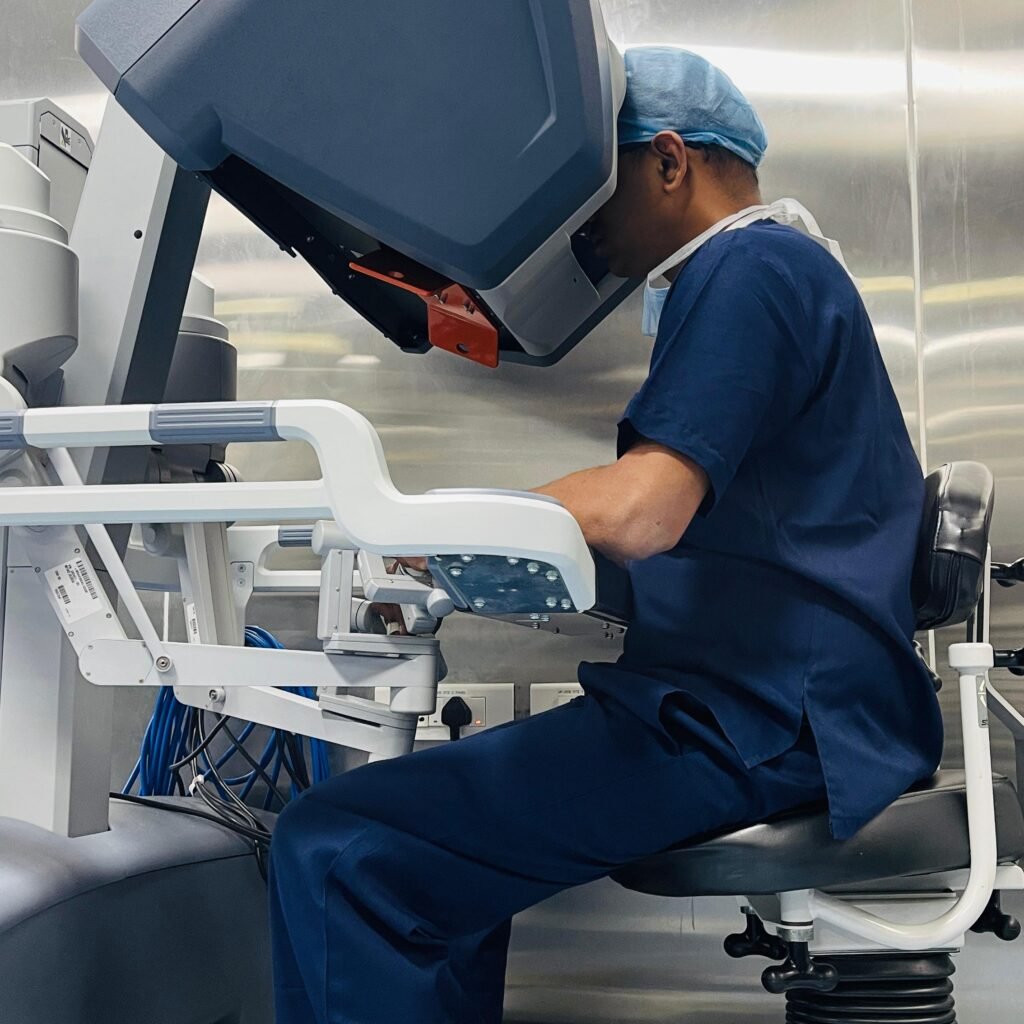
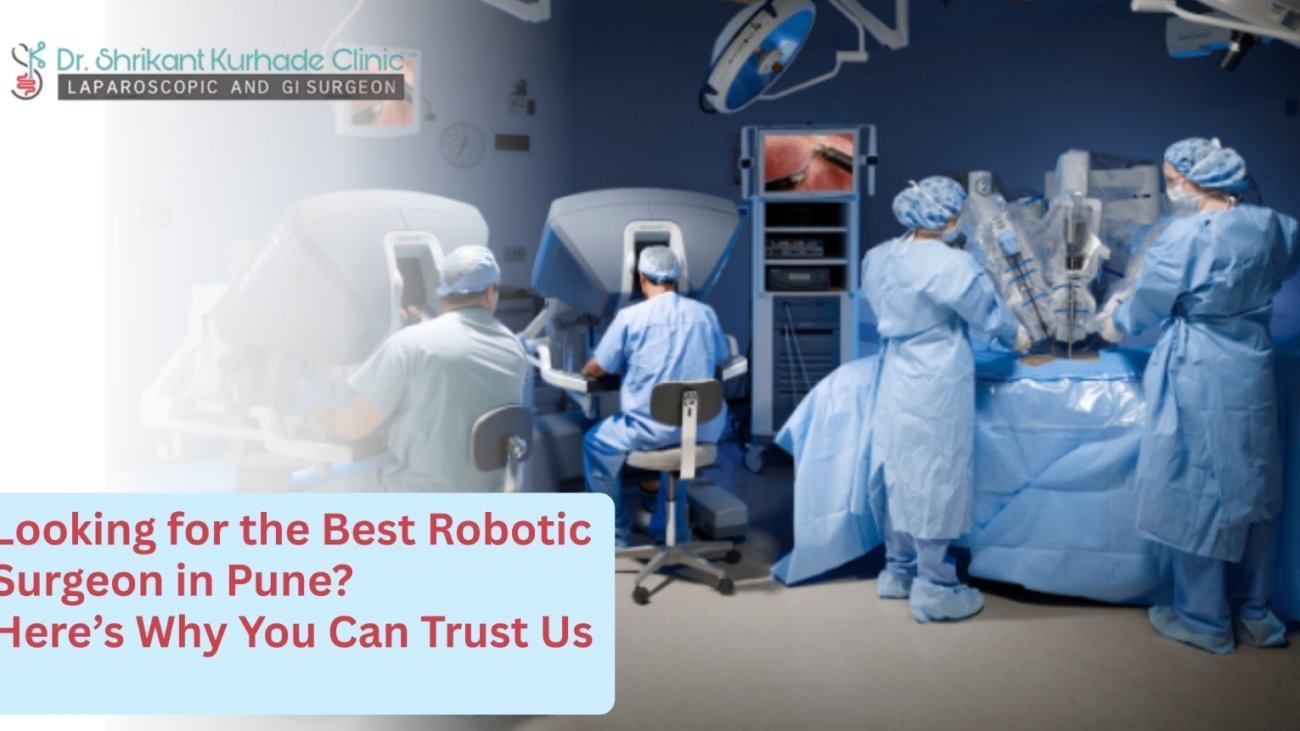
Robotic-assisted surgery is a minimally invasive surgical technique in which surgeons use a robotic system to perform procedures with exceptional accuracy and control. Despite the name, the robot does not act independently. Instead, the surgeon operates the system from a console, guiding robotic arms with precise hand movements.

The system offers a high-definition 3D view, enhanced magnification, and superior dexterity, allowing surgeons to perform complex procedures through very small incisions—something not always possible with conventional surgery.

Why Is Robotic-Assisted Surgery Gaining Popularity?

The growing preference for robotic procedures is driven by multiple robotic surgery advantages for both patients and surgeons:

1. Enhanced Precision and Control

Robotic instruments enable extremely fine and steady movements, minimizing damage to surrounding tissues. This level of accuracy is crucial for delicate and complex surgeries.

2. Smaller Incisions and Minimal Scarring

Unlike open surgery, robotic-assisted surgery uses small incisions, leading to less scarring and better cosmetic results.

3. Reduced Pain and Blood Loss

One of the major benefits of robotic-assisted surgery is reduced surgical trauma, resulting in less post-operative pain and lower blood loss.

4. Faster Recovery and Shorter Hospital Stay

Patients often recover quicker and return to daily activities sooner, making robotic surgery a preferred choice for those seeking minimal downtime.

5. Lower Risk of Complications

Better visibility and controlled movements help reduce infections, complications, and surgical errors.

Conditions Treated with Robotic-Assisted Surgery 

Today, robotic assisted surgery in India is widely used across multiple specialties. At advanced healthcare centers like KK Care Clinic, it is commonly performed for:

As medical technology continues to evolve, the applications of robotic-assisted surgery are expanding, enabling Dr. Shrikant Kurhade, a Hernia Specialist in Pimpri Chinchwad, to offer more precise and advanced treatment options.

How Robotic Surgery Improves the Surgeon’s Capability 

From a surgeon’s perspective, robotic-assisted systems offer unmatched advantages. The 3D high-definition view provides a magnified and clearer visualization of the surgical area. The robotic arms filter out hand tremors, ensuring stable and precise movements. 

This improved ergonomics also reduces surgeon fatigue during long procedures, allowing for consistent performance and better surgical outcomes. 

Is Robotic-Assisted Surgery Safe? 

Yes, robotic-assisted surgery is highly safe when performed by trained and experienced surgeons. The technology is approved and widely used across leading hospitals worldwide. Each system undergoes rigorous testing, and surgeons receive specialized training before performing robotic procedures. 

At KK Care Clinic, patient safety is the top priority. Every robotic-assisted procedure is carefully planned and executed by skilled specialists using strict safety protocols. 

Who Is an Ideal Candidate for Robotic-Assisted Surgery? 

While robotic-assisted surgery offers many benefits, it may not be suitable for everyone. Ideal candidates include patients who: 

  • Require minimally invasive surgery 
  • Want faster recovery with less pain 
  • Have conditions that benefit from precise surgical intervention 

A detailed consultation with the surgeon helps determine whether robotic-assisted surgery is the right option based on medical history and individual needs. 

Robotic Surgery vs Traditional Surgery 

Compared to traditional open surgery, robotic-assisted surgery offers: 

  • Smaller incisions instead of large cuts 
  • Faster healing and reduced downtime 
  • Less pain and fewer complications 
  • Better precision and surgical outcomes 

These advantages explain why more patients and doctors are choosing robotic-assisted procedures whenever possible. 

The Future of Surgery Is Here 

Robotic-assisted surgery is not just a trend—it represents the future of modern surgical care. With continuous advancements in technology, procedures are becoming safer, more effective, and more patient-friendly. 

At KK Care Clinic, embracing robotic-assisted surgery means providing patients with advanced treatment options that focus on comfort, safety, and faster recovery. By combining expert surgical skills with cutting-edge technology, the clinic ensures world-class care close to home. 

Final Thoughts 

Choosing the right surgical approach plays a crucial role in recovery and long-term outcomes. With its unmatched precision, safety, and faster healing, robotic-assisted surgery stands out as an advanced solution for modern healthcare needs.

If you are planning surgery and want minimally invasive treatment options, consult Dr. Shrikant Kurhade, a leading Robotic Surgeon in Pune, at KK Care Clinic to understand how robotic-assisted surgery can help deliver the best possible surgical outcomes.

Robotic-assisted hernia surgery relies on advanced robotic systems designed for precision and safety. If you’re curious about the equipment and technology involved, explore our blog explaining what types of surgical robots are used in India for hernia treatment.

Lifestyle factors like long sitting contributing to hemorrhoids

Does Sitting for Long Hours Cause Piles? Truth Explained 

In today’s lifestyle, sitting for long hours has become unavoidable. Whether you’re working at a desk, driving, binge-watching movies, or scrolling on your phone—prolonged sitting is now a routine. But with this convenience comes a common concern: Can long sitting cause piles?

If you’ve been experiencing discomfort, itching, or bleeding during bowel movements, you might wonder, “Can sitting a lot cause hemorrhoids?” or “Can you get piles from sitting too long?”

Let’s break down the truth with clear medical insights.

What Exactly Are Piles? 

Piles, also known as hemorrhoids, are swollen and inflamed veins in the rectum and anus. They can occur internally (inside the rectum) or externally (around the anus). Common symptoms include: 

  • Pain while passing stool 
  • Bleeding 
  • Itching or irritation 
  • A lump or swelling near the anus 
  • Mucus discharge 

While piles are extremely common, especially in adults, the causes behind them are often misunderstood. 

Can Sitting For Long Hours Cause Piles

Here’s the truth:
Sitting for long hours does not directly cause piles, but it increases your risk and can worsen existing hemorrhoids.

Let’s understand how. 

1. Pressure on Rectal Veins 

When you sit for extended periods, especially on hard surfaces, it increases pressure on the veins in the anus and rectum. These veins become swollen and irritated, increasing the chances of developing piles. 

2. Reduced Blood Flow 

Prolonged sitting slows down blood circulation in the lower body. Poor blood flow leads to congestion in rectal veins, making them more prone to swelling. 

3. Constipation and Straining 

People who sit a lot tend to move less. Lack of activity weakens digestion, causing constipation. Straining during bowel movements is one of the biggest triggers of piles.

If you’re wondering “can sitting a lot cause hemorrhoids?”—poor digestion caused by inactivity is one of the reasons why.

4. Poor Posture Adds to the Problem 

Sitting with a slouched back or leaning forward compresses abdominal organs and increases pressure on pelvic veins. This further contributes to hemorrhoid formation. 

So while sitting itself is not the only cause of piles, it creates conditions that make piles more likely. 

Who Is at Higher Risk? 

People who sit for long periods daily are more vulnerable, such as: 

  • Office workers 
  • Drivers 
  • Students 
  • Gamers 
  • Shopkeepers who sit continuously 
  • People with sedentary lifestyles 

If you fall into any of these categories, preventive measures are extremely important. 

Other Factors That Cause Piles 

While sitting is one risk factor, piles typically develop due to a combination of multiple reasons: 

  • Chronic constipation 
  • Low-fiber diet 
  • Lack of hydration 
  • Heavy lifting 
  • Pregnancy 
  • Obesity 
  • Family history 
  • Aging 
  • Persistent coughing or sneezing 

Understanding these helps you make healthier choices. 

How to Prevent Piles If You Sit for Long Hours 

Here are practical and simple tips you can start today: 

1. Take Breaks Every 30 Minutes 

Stand up, walk around, or stretch for 2–3 minutes. This improves blood circulation and reduces pressure on rectal veins. 

2. Use a Cushion or Soft Seating 

A good-quality cushion or seat pad reduces direct pressure on the anal area. 

3. Improve Your Posture 

Sit with your back straight, feet flat on the floor, and avoid leaning forward. 

4. Drink Enough Water 

Hydration keeps stools soft and reduces straining. 

5. Eat High-Fiber Foods 

Include fruits, vegetables, whole grains, and salads to improve digestive health. 

6. Stay Physically Active 

A 20–30-minute walk daily improves bowel movement and reduces the risk of piles significantly. 

7. Avoid Sitting on the Toilet for Too Long 

Many people sit with their phone for long periods while using the toilet—this is a major trigger for piles. 

8. Respond Quickly to Nature’s Call 

Delaying bowel movements can cause constipation and hard stools. 

When Should You See a Doctor? 

If you notice persistent symptoms like: 

  • Bleeding 
  • Severe pain 
  • Lump around the anus 
  • Discomfort that affects daily life 
  • Recurrent constipation 

…it’s important to consult a piles specialist. Early treatment prevents complications and speeds up recovery. 

Modern treatments such as laser piles surgery, rubber band ligation, and sclerotherapy offer quick relief with minimal pain and fast recovery. 

Final Thoughts 

So, can sitting cause hemorrhoids?

Not directly—but prolonged sitting creates conditions that increase the risk of piles and can worsen existing hemorrhoids.

If your symptoms continue, it’s important to meet a piles specialist early to avoid complications and receive the right treatment on time. If you’re looking for expert care nearby, you can consult a piles doctor in Pimpri Chinchwad for proper evaluation. At KK Care Clinic, Dr. Shrikant Kurhade, an expert robotic surgeon, along with his skilled team, provides comprehensive evaluations and customized treatment plans to help you manage piles effectively and comfortably.

stapler piles surgery

Are Stapler Surgeries Effective for Piles? A Complete Guide 

Piles, or hemorrhoids, are extremely common and affect people of all ages. While the condition may feel uncomfortable to discuss, it’s important to understand that piles are easily treatable today—thanks to modern and minimally invasive procedures like stapler surgery for piles.

If you’ve been dealing with recurrent or severe piles and are unsure whether this procedure is the right choice, this detailed guide will help you make an informed decision about the best piles treatment for your condition.

What Are Piles and Why Do They Occur? 

Piles are swollen and inflamed veins in the rectum or anus. They can be internal (inside the rectum) or external (around the anus).
Some common causes include: 

  • Chronic constipation or straining 
  • Sitting for long periods 
  • Pregnancy 
  • Obesity 
  • Low-fiber diet 
  • Family history 

Most early-stage piles can be managed with diet changes, lifestyle improvements, and medication. However, for advanced or recurrent piles, surgery becomes the recommended option. 

What Is Stapler Surgery for Piles? 

Stapler surgery for piles, also known as stapled hemorrhoidectomy, is a modern, minimally invasive procedure mainly used for internal Grade 3 and Grade 4 piles.

Unlike traditional procedures that remove hemorrhoids externally, stapler piles surgery works by repositioning the prolapsed tissue and cutting off its blood supply for effective correction.

  • Cutting off the blood supply to the hemorrhoidal mass 
  • Pulling the prolapsed tissue back into its normal position 
  • Reducing pain and promoting faster healing 

Since the procedure is performed above the area where pain-sensitive nerves are located, patients experience significantly less discomfort. 

Is Stapler Surgery Effective? 

Yes. Stapler surgery is considered one of the most effective treatments for advanced internal piles, especially when symptoms are severe or persist despite medications.

Key reasons why the procedure is effective: 

1. Faster Recovery 

Most patients return to routine activities within a few days. The piles stapler surgery recovery time is typically 3–5 days, much faster than traditional methods.

2. Minimal Pain 

Since the procedure is done in an area with fewer nerve endings, postoperative pain is significantly lower compared to traditional open surgery. 

3. Less Bleeding 

Piles stapler surgery requires very minimal tissue cutting, helping significantly reduce blood loss both during the procedure and throughout recovery.

4. Lower Chances of Recurrence 

The procedure corrects the underlying cause of piles—prolapsed mucosa and venous congestion. Hence, recurrence chances are much lower than conventional methods. 

5. Shorter Hospital Stay 

Most patients are discharged within 24 hours or even on the same day, depending on recovery. 

Who Should Consider Stapler Surgery? 

You may be a good candidate for stapler surgery for piles if you have:

  • Grade 3 internal piles (prolapse that needs manual pushing) 
  • Grade 4 internal piles (permanently prolapsed hemorrhoids) 
  • Severe bleeding 
  • Recurrent piles that don’t improve with medications 
  • Severe discomfort affecting daily life 

It is not typically recommended for external piles, thrombosed hemorrhoids, or patients with certain medical conditions. A proctology specialist can guide you better after an evaluation. 

How Is Stapler Surgery Performed? 

The procedure is simple, precise, and usually takes about 20–30 minutes. 

  1. The patient receives anesthesia (local, spinal, or general). 
  2. A circular stapler device is inserted into the anal canal. 
  3. Prolapsed tissue is lifted and stapled back into its original position. 
  4. The stapler cuts excess tissue and seals the wound simultaneously. 
  5. No external cuts or stitches are required. 

Because of this minimally invasive approach, healing is smoother and faster. 

Risks and Complications 

Like any medical procedure, stapler surgery has some potential risks, though they are uncommon: 

  • Mild pain or discomfort 
  • Temporary constipation 
  • Bleeding 
  • Infection 
  • Rare chances of recurrence 

Choosing an experienced surgeon significantly reduces these risks. 

Recovery After Stapler Surgery 

Recovering from stapler surgery is usually straightforward. The stapler surgery for piles recovery time is much shorter compared to conventional surgery.

1. Minimal Pain 

Pain is very mild and manageable with prescribed medications. 

2. Quick Return to Routine 

Patients can resume office work within a few days, though heavy lifting should be avoided initially. 

3. Diet Changes 

A high-fiber diet, plenty of fluids, and stool softeners help prevent strain. 

4. Follow-Up 

A follow-up visit ensures proper healing and prevents complications. 

Overall, most patients find recovery remarkably easier compared to traditional hemorrhoidectomy. 

Is Stapler Surgery Right for You? 

Stapler surgery is an excellent choice for people who want: 

  • Quick relief 
  • Minimal pain 
  • Faster recovery 
  • Lower chance of recurrence 
  • A minimally invasive solution 

However, the final decision should be made after a thorough evaluation by a trained proctologist who can assess the type and severity of your piles. 

Conclusion 

So, are stapler surgeries effective for piles?

Yes—stapler surgery remains one of the most advanced, minimally painful, and reliable treatments for internal piles, offering long-lasting relief, faster healing, and improved quality of life. If your symptoms persist or keep returning, consulting a Piles Specialist in Pune is the best next step. For patients looking for stapler surgery for piles in pune, KK Care Clinic provides expert evaluation and advanced treatment options under the guidance of expert Robotic Surgeon in  Pune Dr. Shrikant Kurhade and his experienced team.

Dos and Donts After Appendix Removal

Do’s and Don’ts After Appendix Removal: A Complete Recovery Guide 

Appendix removal, also known as appendectomy, is one of the most common and successful emergency surgeries. Whether performed through laparoscopy or open surgery, most patients recover well with proper post-operative care. However, the recovery period is just as important as the surgery itself. What you do—and what you avoid—during this time directly affects healing, comfort, and long-term health. 

If you or your loved one has recently undergone appendix surgery, this complete guide covers the essential do’s and don’ts after appendectomy to help you heal faster, prevent complications, and follow safe post appendectomy care.

Understanding the Recovery Phase 

The appendix is a small pouch attached to the large intestine. Once removed, the body continues to function normally, but the internal tissues require time to heal. The usual recovery after appendix surgery ranges from 2 to 4 weeks depending on the type of surgery and your overall health.

During this period, following the right after appendix surgery precautions is crucial. Here are the key things to do and what to avoid after appendix surgery for a smooth recovery.

Do’s After Appendix Removal 

1. Follow Your Doctor’s Instructions 

This is the most important step in appendicitis surgery recovery. Your surgeon will guide you on medications, activity limitations, and wound care.

Take prescribed antibiotics and pain relievers on time and attend follow-up visits as recommended.

2. Keep the Surgical Area Clean 

Your incision area should remain clean and dry to prevent infection. 

  • Change dressings as advised 
  • Avoid applying powders, ointments, or creams unless prescribed 
  • Pat the area dry after bathing instead of rubbing 

Proper wound care supports faster post appendectomy recovery.

3. Eat Light and Nutritious Meals 

Your digestive system needs time to adjust after surgery. Begin with an appendix removal recovery diet that includes easily digestible foods such as:

  • Soups 
  • Khichdi 
  • Dalia 
  • Steamed vegetables 
  • Fresh fruits 

Once digestion stabilizes, shift to a fibre-rich diet to avoid constipation—an essential part of appendix removal recovery care.

4. Drink Plenty of Water 

Staying hydrated helps digestion, prevents constipation, and supports faster healing. Aim for 6–8 glasses of water daily, unless advised otherwise. 

5. Walk Regularly 

Light walking improves blood circulation, prevents blood clots, and reduces bloating. Start with short walks and slowly increase duration. Avoid brisk walking or jogging during the initial weeks. 

6. Take Adequate Rest 

Your body heals best when it’s well-rested. Sleep at least 7–8 hours and take short naps if needed. Avoid overexertion or sitting in one position for too long. 

7. Monitor for Warning Signs 

Seek medical help if you notice: 

  • Fever 
  • Severe abdominal pain 
  • Redness or discharge from incision 
  • Persistent nausea or vomiting 
  • Difficulty passing stool or gas 

Early detection helps prevent complications during appendectomy recovery.

Don’ts After Appendix Removal 

1. Don’t Lift Heavy Objects 

Avoid lifting anything heavier than 2–3 kg for at least 2–4 weeks. Heavy lifting can strain the abdominal muscles and disrupt healing, leading to hernia or wound complications. 

2. Don’t Drive Too Early 

Driving immediately after surgery is risky due to pain, discomfort, and medications that may cause drowsiness. Wait until your doctor gives approval—usually after one week or when you are pain-free. 

3. Don’t Engage in Intense Physical Activities 

Avoid activities like: 

  • Gym workouts 
  • Jogging 
  • Cycling 
  • Swimming 
  • Bending or twisting exercises 

These movements can harm the healing tissues and increase the risk of infection. 

4. Don’t Eat Heavy, Oily, or Spicy Foods Initially 

Foods that are too greasy or spicy can upset your stomach and slow digestion. This is a crucial part of understanding what to avoid after appendix surgery.

Also avoid carbonated drinks and gas-forming foods like beans and cabbage during the early days.

5. Don’t Ignore Pain or Discomfort 

Pain is your body’s way of signaling that something needs attention. Do not ignore persistent or worsening pain—consult your doctor immediately. 

6. Don’t Take a Bath in a Tub or Go Swimming 

Submerging the incision area can increase the risk of infection. Stick to showers until your doctor confirms that the wound has healed completely. 

7. Don’t Resume Work Too Soon 

Whether you have a desk job or physically demanding work, returning too early may delay healing. Give your body the rest it needs. 

Tips for Faster Recovery 

  • Start with small meals and gradually return to regular eating 
  • Avoid constipation by consuming fibre and staying hydrated 
  • Use a pillow to support your abdomen while coughing or sneezing 
  • Wear loose, comfortable clothing 
  • Maintain a positive mindset—recovery may take time, but it will happen 

These habits enhance appendix removal recovery and help you regain strength faster.

When to Contact Your Doctor Immediately? 

Call your surgeon if you experience: 

  • Severe or increasing abdominal pain 
  • Pus-like discharge from the incision 
  • High-grade fever 
  • Difficulty in urination 
  • Persistent vomiting 
  • No bowel movement for more than 2–3 days 

Early medical intervention can prevent serious complications. 

Conclusion 

At KK Care Clinic, Dr. Shrikant Kurhade, a leading Robotic Surgeon in Pune, offers dedicated care to ensure a safe and smooth recovery after appendix surgery. From hospital discharge to follow-up visits, he and his team guide you through every stage of healing. If you’re looking for expert guidance on the do’s and don’ts after appendectomy, Dr. Kurhade’s medical expertise—combined with healthy habits and patience—helps you return to your normal routine comfortably. His advice ensures you follow the right appendix removal recovery diet, understand appendix removal recovery time, practice proper post appendectomy care, and know exactly what to avoid after appendix surgery for the best and safest healing process.

mesh hernia repair surgery guide

A Complete Guide to Mesh Hernia Repair Surgery 

A hernia is more common than most people think. It can happen to anyone—whether you lift heavy objects daily, have had previous surgeries, or even due to natural muscle weakness. While some hernias may not cause immediate discomfort, many can grow larger over time and lead to pain or complications. That’s where hernia mesh surgery comes in. It is one of the most trusted and effective treatment options available today. 

If you or a loved one has been advised to undergo hernia surgery, this simple and human-friendly guide will help you understand the procedure, its benefits, recovery, and when to seek help. The goal is to make you feel informed, confident, and prepared. 

What Is a Hernia? 

A hernia occurs when an internal organ—usually part of the intestine—pushes through a weak spot in the surrounding muscle or tissue. It often appears as a visible or palpable bulge, especially when coughing, bending, or lifting. 

Common types of hernias include: 

  • Inguinal hernia (groin) 
  • Umbilical hernia (near the belly button) 
  • Incisional hernia (after surgery) 
  • Hiatal hernia (upper stomach area) 

Most hernias do not heal on their own and often require surgical correction to prevent complications. 

What Is Mesh Hernia Repair Surgery? 

Mesh hernia repair surgery, also known as hernioplasty, involves placing a special medical mesh over or under the weakened muscle area. This mesh acts like a supportive patch, reinforcing the muscle and preventing the hernia from returning. 

Think of it like placing a durable net over a hole—that net supports the area and keeps everything in place. 

The mesh used is safe, flexible, and designed to integrate naturally with the body’s tissues. 

Why Do Doctors Recommend Mesh Repair? 

Mesh repair has become the preferred method for hernia surgery worldwide due to several benefits: 

1. Lower Risk of Recurrence 

Hernias repaired only with stitches tend to come back more often. Mesh significantly reduces the chances of recurrence because it strengthens the weak spot. 

2. Faster Recovery 

Since the muscle is not pulled tightly together with stitches, the healing process is smoother and less painful. 

3. Less Pain After Surgery 

Mesh reduces tension on the muscles, leading to a more comfortable recovery experience. 

4. Long-Term Durability 

The mesh adapts to the natural movements of your body, providing strong and lasting support. 

How Is Mesh Hernia Repair Surgery Done? 

There are two main techniques used for mesh hernia repair

1. Open Hernia Repair 

  • A small incision is made over the hernia site. 
  • The protruding organ is gently moved back into place. 
  • The mesh is placed over the weakened area and secured. 
  • The incision is stitched closed. 

This method is often recommended for larger or complicated hernias. 

2. Laparoscopic (Keyhole) Hernia Repair 

  • Small cuts are made in the abdomen. 
  • A camera and tiny instruments are inserted. 
  • The surgeon repairs the hernia and places the mesh internally. 

Benefits of laparoscopic hernia repair include less pain, smaller scars, and quicker recovery. However, suitability depends on the type and severity of your hernia. 

Your doctor will recommend the best option based on your condition and medical history. 

What to Expect Before the Surgery 

Before undergoing mesh hernia repair surgery, your doctor may: 

  • Evaluate your overall health 
  • Recommend blood tests and imaging 
  • Advise you to stop smoking 
  • Ask you to avoid food and drinks for a few hours before surgery 
  • Review your existing medications 

This ensures the surgery is safe and successful. 

Recovery After Mesh Hernia Repair 

Recovery varies from person to person, but here’s what you can generally expect: 

1. Mild Pain or Discomfort 

This is normal and can be managed with prescribed pain medication. 

2. Returning to Normal Activities 

Most people can resume light work within 1–2 weeks, while strenuous activities and heavy lifting should be avoided for 4–6 weeks, ensuring a safe and smooth hernia mesh surgery recovery time.

3. Caring for the Surgical Site 

Keep the area clean and dry. Follow your doctor’s instructions on bandage changes and signs of infection to watch for. 

4. Diet and Hydration 

A fiber-rich diet and proper hydration can help prevent constipation, which is important after abdominal surgery. 

5. Follow-Up Appointments 

Regular check-ups help ensure smooth healing and proper mesh integration. 

Are There Any Risks of Mesh Hernia Repair?

Like any surgery, mesh hernia repair has potential risks, although complications are rare. These may include: 

  • Infection 
  • Swelling or bruising 
  • Recurrence of the hernia (less common with mesh) 
  • Temporary discomfort around the mesh area 

Choosing an experienced surgeon greatly reduces these risks. 

When Should You Seek Medical Help? 

Contact your doctor immediately if you notice: 

  • Severe pain that doesn’t reduce 
  • Fever or chills 
  • Persistent redness or swelling at the incision site 
  • Difficulty passing stool or gas 
  • Increased swelling in the hernia area 

Timely care can prevent complications. 

Final Thoughts 

Mesh hernia repair surgery is a safe, reliable, and highly effective solution for treating hernias. Understanding the procedure and recovery can help ease fear and uncertainty. If you’re experiencing symptoms of a hernia or have been advised to undergo surgery, getting expert guidance is essential. 

At KK Care Clinic, under the guidance of Dr. Shrikant Kurhade, a renowned hernia specialist and robotic surgeon, patients receive personalized care and expert surgical treatment for all types of hernia mesh, ensuring the highest standards of safety, comfort, and successful recovery.

chronic constipation

What Is Chronic Constipation? Causes, Symptoms & When to Seek Help

Constipation is something most of us deal with occasionally—maybe after a low-fiber meal, a stressful week, or simply not drinking enough water. But when constipation becomes a regular part of your life and starts affecting your comfort, mood, and daily routine, it may be a symptoms of chronic constipation.
Chronic constipation doesn’t just slow your digestion; it can also impact your overall well-being. Understanding why it happens, what symptoms to watch out for, and when to seek medical help can make a big difference in improving your digestive health.

What is Chronic Constipation ?

Chronic constipation means you’re having difficult or infrequent bowel movements for several weeks or even months. Most people with chronic constipation have:

  • Fewer than three bowel movements per week
  • Hard, dry stools
  • Straining or discomfort while passing stools

Unlike occasional constipation, which usually resolves quickly, chronic constipation sticks around and often needs proper treatment.

Why Does Chronic Constipation Happen?

There’s no single trigger for this condition—chronic constipation causes can range from lifestyle habits and dietary choices to certain medications or underlying health problems. Here are some of the most common factors:

1. Not Enough Fiber

Fiber helps add bulk and softness to stool. If your meals lack fruits, vegetables, whole grains, and roughage, constipation becomes more likely.

2. Low Water Intake

When the body is dehydrated, the stool becomes dry and harder to pass. Drinking enough water is essential for smooth digestion.

3. Sedentary Lifestyle

Sitting for long hours slows down bowel activity. Even simple activities like walking can help stimulate your digestive system.

4. Ignoring the Urge

Many people hold in stools because they’re busy or uncomfortable using public restrooms. Over time, this weakens the natural urge to go.

5. Certain Medications

Some medicines can slow down your digestion, such as:

  • Painkillers (especially opioids)
  • Iron supplements
  • Some antidepressants
  • Antacids with calcium or aluminum

6. Underlying Health Conditions

Chronic constipation may also be a symptom of:

  • Hypothyroidism
  • Diabetes
  • Irritable bowel syndrome (IBS)
  • Neurological conditions
  • Pelvic floor issues

7. Aging

As we age, metabolism slows down and muscles—especially those in the digestive tract—may weaken, leading to constipation.

Common Chronic Constipation Symptoms

Chronic constipation includes more than just fewer bowel movements. You may experience:

  • Hard, lumpy stools
  • Feeling like your bowels aren’t completely empty
  • Straining every time you pass stools
  • Bloating or stomach discomfort
  • Needing to use your fingers or apply pressure to help pass stools

If these chronic constipation symptoms happen regularly, it’s time to take action.

When To See a Doctor For Constipation ?

Many people feel embarrassed discussing constipation, but it’s important to talk to a healthcare provider if:

  • Your symptoms last more than three months
  • You experience severe abdominal pain
  • There is blood in your stools
  • You lose weight without trying
  • Your constipation suddenly worsens
  • You rely on laxatives frequently

These signs could indicate a more serious issue that needs timely attention.

Treatment Options for Chronic Constipation

The best treatment for chronic constipation depends on how severe the condition is and what’s causing it. Commonly recommended approaches include:

1. Adding More Fiber – Fresh fruits, vegetables, salads, oats, and whole grains help soften stools naturally.

2. Staying Hydrated – Aim to drink at least 2–3 liters of water daily unless advised otherwise by your doctor.

3. Being Physically Active – Simple exercises like walking, cycling, yoga, or stretching can greatly improve digestion.

4. Medications, if Needed

Doctors may prescribe:

  • Stool softeners
  • Osmotic or stimulant laxatives
  • Medicines that help the intestines contract

5. Treating Underlying Conditions – If thyroid issues, IBS, or nerve problems are causing constipation, treating those conditions will help relieve symptoms.

6. Pelvic Floor Therapy – Some people have difficulty coordinating their pelvic muscles while passing stools. Physiotherapy and biofeedback can help retrain those muscles.

Can You Prevent Chronic Constipation? Yes!

Here are some simple lifestyle habits that can keep your digestion smooth:

  • Eat more fiber-rich foods
  • Drink enough water daily
  • Exercise regularly
  • Don’t ignore the urge to go
  • Manage stress
  • Avoid overusing laxatives

Small changes can lead to big improvements in your overall digestive health.

Conclusion

Chronic constipation is uncomfortable, but it’s also very treatable. By understanding the causes, recognizing the symptoms early, and seeking help when needed, you can prevent complications and feel better faster. If your constipation doesn’t improve with home remedies or continues for months, it’s important to consult a healthcare professional.

If your symptoms continue or become more severe, it may be time to seek professional Constipation Treatment in Pune. Consult Dr. Shrikant Kurhade at KK Care Clinic for expert diagnosis and a personalized treatment plan tailored to your needs.

hernia surgery questions to ask

What are the questions you should ask to hernia surgeons before finalising surgery? 

Visiting a hernia surgeon can be overwhelming, but asking the right hernia surgery questions to ask will help you make informed decisions and feel confident about your treatment. Whether you are considering robotic hernia surgery in India or a laparoscopic hernia repair, a consultation is the best time to clarify your doubts. Here are the important questions to ask your surgeon before surgery during your visit to an expert hernia surgeon.

1. Experience and Qualifications

It’s important to understand the surgeon’s expertise and training. While some doctors may prefer not to directly discuss qualifications, you can ask questions politely to gauge their experience:

  • How many hernia repairs have you performed?
  • What types of hernia surgeries do you specialize in?
  • Do you think you can treat my hernia permanently?

2. Surgical Options

Understand which surgical approach is most suitable for your condition:

  • What surgical techniques do you recommend for my hernia (open surgery, laparoscopic, or robotic approach)?
  • What are the advantages and disadvantages of each technique?
  • What type of mesh or implant will be used?
  • Are there any specific concerns I should be aware of regarding my hernia?

These questions ensure you understand your options for minimally invasive hernia surgery and the benefits of each approach.

3. Risks and Complications

Every surgery carries some risk. Clarify potential complications and how they are managed:

  • What risks or complications should I expect?
  • How often do complications occur, and how are they handled?
  • Have you managed recurrent hernias before?

4. Recovery Process

Knowing what to expect after surgery helps plan your life and work:

  • What is the typical recovery period?
  • How soon can I return to normal activities?
  • When can I jog, drive, or start exercising at the gym?
  • How many days of leave should I plan?

5. Post-Operative Care

Clarify follow-up care and lifestyle adjustments after surgery with after surgery questions:

  • What follow-up appointments are needed?
  • When will stitches be removed, and when can I take a bath?
  • What precautions should I take to prevent recurrence?
  • How can I contact you if I experience pain or complications?

6. Success Rate

  • What is the success rate of this procedure, specifically for my type of hernia?

7. Cost and Insurance

Understanding financial aspects in advance avoids surprises:

  • What are the estimated costs, including hospital stay and follow-up visits?
  • Do you accept my insurance plan, and how is it covered?
  • Are there additional charges for consumables or co-payments?

8. Patient Testimonials

  • Can you provide references or testimonials from previous patients?
  • Many surgeons also have patient reviews available online.

9. Second Opinions

  • Would you recommend seeking a second opinion, and why?
  • Will I need the assistance of another surgeon in my case?

10. Available Support

  • How can I contact you or your office if I have questions post-surgery?
  • In case of an emergency during the post-operative period, where should I go?

Asking these questions will help you understand the surgeon’s expertise, approach, and confidence in handling your surgery. Knowing how to choose a hernia surgeon can make a significant difference in your treatment outcomes. If you know any previous patients, their feedback can also provide valuable insight. Being clear about your surgery beforehand builds confidence and ensures a smoother, safer, and more comfortable experience. At KK Care Clinic, under the guidance of Dr. Shrikant Kurhade, a renowned hernia specialist and robotic surgeon, patients receive personalized care and expert surgical treatment for all types of hernias, ensuring the highest standards of safety, comfort, and successful recovery.

image (2)

What types of surgical robots are used in India for hernia treatment?

Robotic hernia surgery in India is rapidly advancing, offering patients improved precision, faster recovery, and minimally invasive treatment options. With multiple robotic platforms now available, both international and indigenous systems are being used by expert surgeons across the country. Understanding the different types of surgical robots used for hernia repair can help patients make informed decisions about their treatment.

What are different robots available in India for hernia surgery?? 

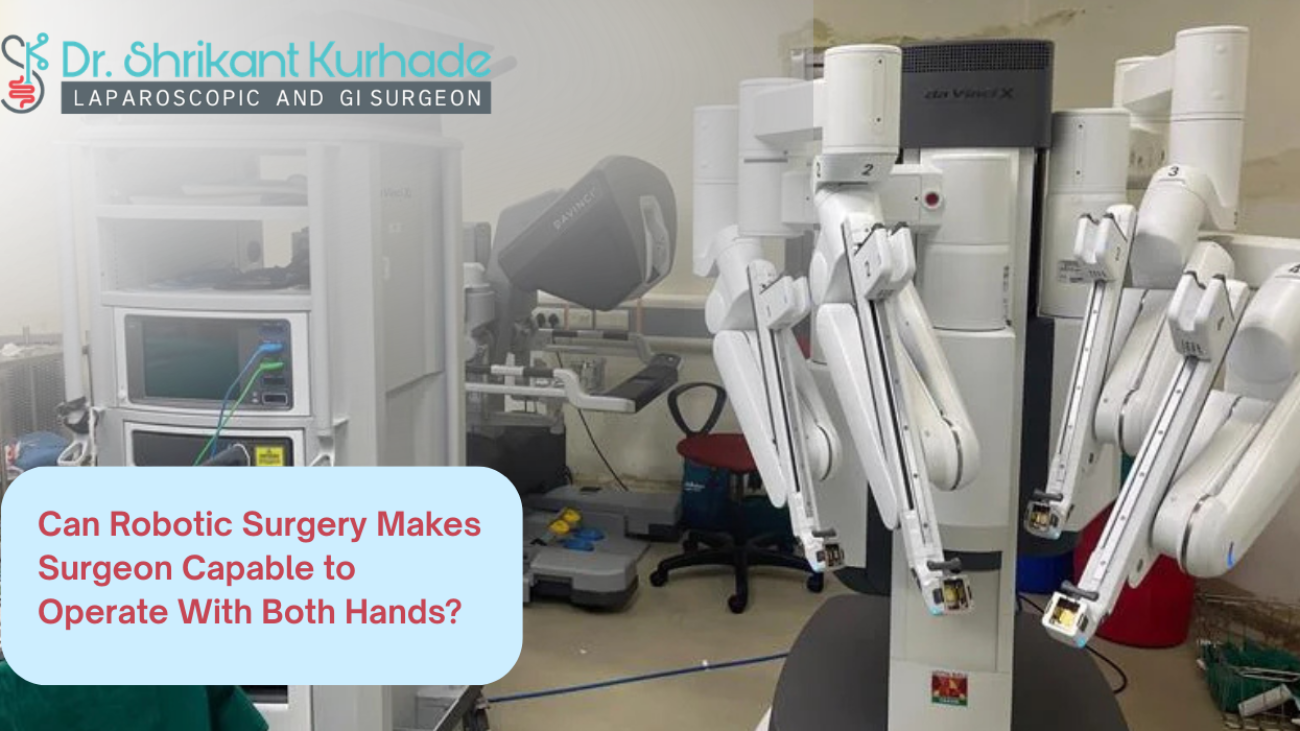
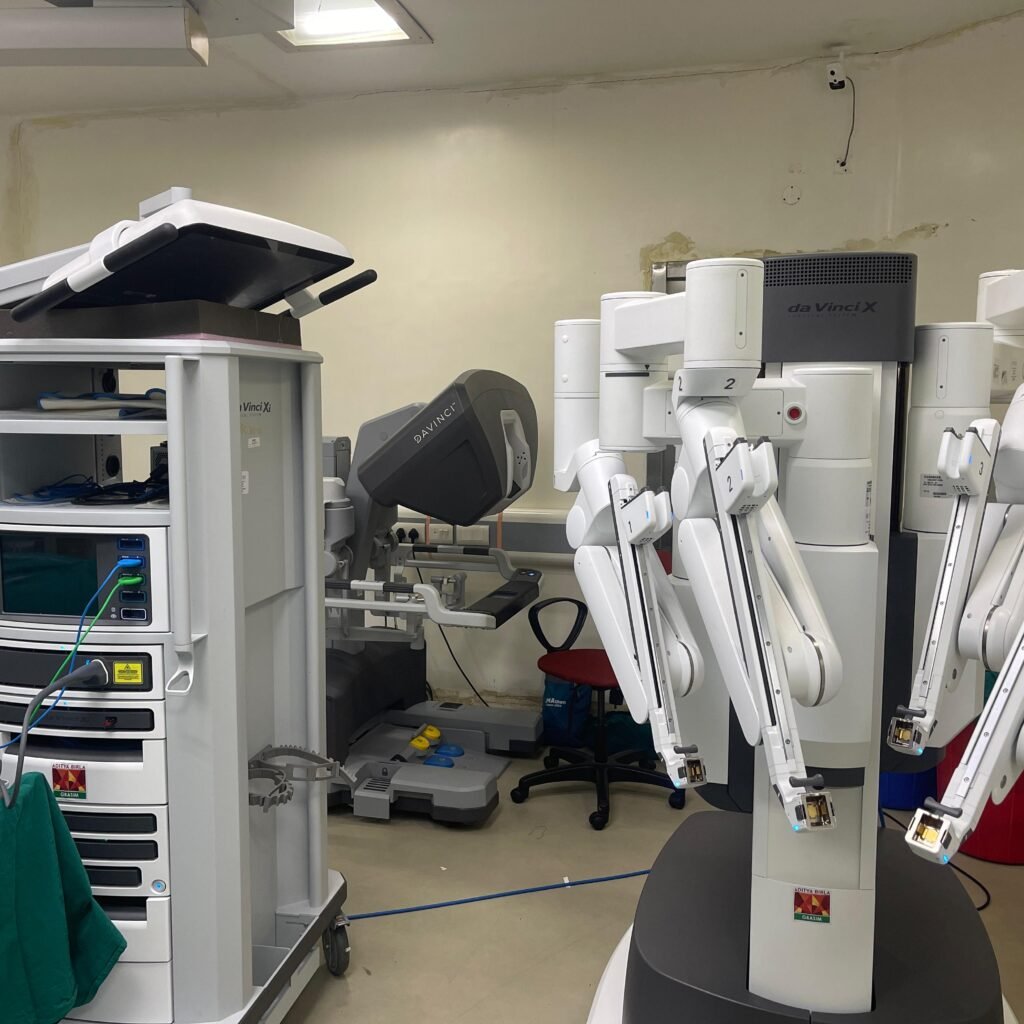
There are several robotic platforms available in India for hernia surgery. The oldest and most established is the da Vinci robot, manufactured by Intuitive, a USA-based company. It is considered one of the most advanced robotic surgery systems and has evolved through multiple generations including the Si, X, and Xi platforms. The da Vinci system features a closed surgical console that provides magnified, true 3D binocular vision and uses four robotic arms, of which three are typically utilized in hernia surgery. Another option is the Versius robot by CMR Surgical, which features an open console that requires the surgeon to wear 3D goggles to view the operative field. Its robotic arms are separate units with docking mechanisms different from the da Vinci system.

The Hugo robot, developed by Medtronic, also uses separate, adjustable robotic arms and offers an open console along with a cloud-based system for recording surgical videos. An indigenous option is the Mantra robot by SSI, an Indian company. It features an open console and separate arms similar to Hugo and Versius, but is unique in allowing the surgical assistant to view the surgery in 3D on a vision cart. It is also considered more cost-effective compared to other systems, which can help reduce the overall cost of robotic hernia surgery for patients.

Recently, another Indian company from Gujarat, Meril, launched a new robotic platform with an open console and a four-arm design in which the arms are integrated rather than separate. All these robotic systems are suitable for hernia surgery and offer advantages such as greater precision, reduced pain, and faster recovery.

Why India is Emerging as a Hub for Robotic-Assisted Hernia Surgery

Thanks to the introduction of advanced robotic platforms such as da Vinci, Versius, Hugo, Mantra, and Meril, India now stands at the forefront of robotic-assisted hernia surgery. These technologies enhance surgical accuracy, improve visualization, and offer better control during procedures. From internationally recognized systems to homegrown innovations, patients benefit from minimally invasive techniques that lead to faster healing and fewer complications. Choosing the ideal robotic platform depends on factors like medical condition, surgical needs, and overall treatment cost, which is why expert guidance is essential.

At our center, patient care begins long before the procedure. We focus on individualized assessment rather than a one-size-fits-all approach. After identifying the specific type of hernia, our team designs a treatment pathway that aligns with your health, comfort, and recovery goals. Led by Dr. Shrikant Kurhade, an Expert Robotic Hernia Surgeon in Pune, and supported by a team of experienced professionals, we utilize advanced surgical methods to deliver safe, effective, and result-oriented care.